Overview of Home Kits
Emergency kits serve as your first line of defense when something goes wrong suddenly at home. A well-stocked one supports basic survival needs during blackouts, storms, or other crises lasting hours or days. The Federal Emergency Management Agency (FEMA) recommends keeping at least three days’ worth of supplies, but many people err by stashing generic or mismatched items.
Consider a recent outage in Texas in February 2021 where some families lacked simple necessities such as flashlights or adequate water. One third of American households report not having an emergency plan or fully stocked kit. Putting together a practical kit means more than just tossing bottled water and canned food in a box.
Good kits lean on tested items, clear organization, and actual usability. Some modern portable power banks, for instance, output multiple charging ports that deliver enough juice for several devices simultaneously—something worth noting for mobile communication.
Common Mistakes & Risks
Many people overlook the technical quality of gear or fail to tailor supplies to their specific household needs. For example, using cheap batteries that leak or expired medications can backfire. Without items designed for specific emergencies, you risk the kit being useless when needed most.
Some also underestimate accessibility under stress, rummaging through cluttered containers during a crisis. Emergency kits tossed in a closet or basement without clear labeling reduce chances anyone will find what they need fast. That can lead to panicked decisions or unsafe improvisations.
Electrical failures often reveal the gaps: no working LED lanterns or phone chargers instead of unknown gadgets that don’t fit your models. Water stored improperly becomes contaminated. The point missed; preparation requires precision, maintenance, and realistic anticipation of scenarios.
Surprisingly, nearly half of kits lack basic first aid supplies—a misstep that may cause preventable injuries to escalate quickly.
Key Supplies to Include
Water Storage
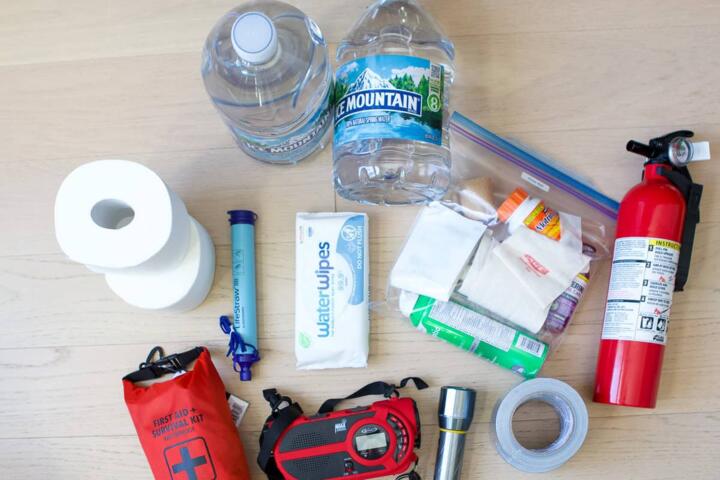
Store one gallon per person daily, aiming for at least three days' supply. Purification tablets such as Aquamira or Sawyer Mini filters add backup in case stored water runs low or becomes tainted. Wide-mouth, BPA-free containers around 5 liters work well for refilling smaller bottles.
Food Options
Choose calorie-dense, nonperishable foods like canned beans, peanut butter, and freeze-dried meals (Mountain House brand is reliable). Rotate and inspect for expired packages annually. An insulated cooler or dedicated shelf maximizes kit lifespan.
Lighting Solutions
LED flashlights offer longer runtime versus incandescent models. Bring spare batteries, ideally lithium types that hold charge better. Solar-powered lanterns from Goal Zero can work off-grid for days but keep a pair of handheld units as failovers; dead batteries cannot be recharged quickly if disaster strikes at night.
Power Sources
Portable power banks with at least 20,000mAh capacity can recharge phones and small devices multiple times. Brands like Anker and RAVPower provide dependable options. Consider a small hand-crank generator for extended outages, though they rarely supply full household needs.
First Aid Kit
Go beyond the basic Band-Aids. Include antiseptic wipes, various sized sterile gauze, adhesive tape, medical-grade gloves, tweezers, pain relievers (ibuprofen, acetaminophen), allergy medicines, and personal prescriptions. Filter masks (N95 or equivalent) reduce airborne risks during chemical or viral emergencies.
Tools and Repair Supplies
A durable multipurpose tool (Leatherman Wave Plus) can open cans, cut wire, or tighten screws. Keep duct tape rolls and heavy-duty plastic sheeting for temporary repairs or shelter. Manual can openers supersede electric ones during outages.
Communication and Navigation
A NOAA weather radio with a crank or solar power source informs you of local alerts. Include a physical map of your area and a whistle for emergency signaling. Keep a list of emergency contacts on waterproof paper.
Personal Hygiene
Pack deodorant, toothbrush, toothpaste, moist wipes, and small towels. Sanitation helps reduce infection risk and preserves morale during confinement. Garbage bags and zip ties create makeshift toilets or waste containers.
Special Needs
Consider infants, pets, and elderly residents. Formula, diapers, medical equipment batteries, pet food quantity for three days, and comfort items help reduce stress. Everyone's situation requires adjustment, so testing the kit through a drill exposes gaps instantly.
Real-Life Applications
A family in Florida who prepared after Hurricane Irma in 2017 showed the difference that a customized kit makes. They included a solar charger compatible with their phone models and a solid water filtration system. When power cut out for four days, they stayed hydrated, charged devices four times each, and cooked freeze-dried meals without issue.
Another case involved a small office in Seattle that faced an unexpected blackout in winter 2022. Their kit lacked appropriate lighting and water. After the event, managers rebuilt stock with LED headlamps and collapsible water containers, reducing downtime by 40% during the next outage.
Checklist for Your Kit
| Category | Item | Quantity | Notes |
|---|---|---|---|
| Water | Gallons per person daily | 3 | Store in BPA-free containers |
| Food | Calorie-dense, canned/freeze-dried | 3 days' worth | Check expiration yearly |
| Lighting | LED flashlight + batteries | 2 each | Include solar lantern |
| Power | Portable power bank | 1+ (20,000mAh) | Prefer Anker, RAVPower |
| First Aid | Full kit + meds | Complete set | Refresh meds regularly |
| Tools | Multipurpose tool + duct tape | 1 each | Manual can opener |
| Hygiene | Wipes, toothpaste, bags | Pack as needed | Include garbage bags |
| Communications | NOAA radio + maps | 1 each | Whistle for signaling |
Errors to Skip
Some stock emergency kits, sold online or in hardware stores, contain supply mismatches like expired food or too-small water quantities. Do not buy based on price alone. Avoid plastic bags filled with unclear random items — they complicate inventory management during real emergencies.
Disregarding battery compatibility or ignoring expired medicines worsens risks. Test your gear yearly: charge power banks, replace batteries, confirm outdoor gear still works after storage periods. A kit that doesn’t operate at all is wasted space.
Also, avoid mystery boxes without labeling. Organize items in clear containers or color-coded bags and store in a single accessible location. People forget supply expiration dates easily, so simple checklists extend kit usability.
FAQ
How often should I update my kit?
Refresh food, water, medications, and batteries at least once per year, or immediately after use. Check expiration dates quarterly for time-sensitive items.
Can I reuse plastic water bottles?
Repeated use risks bacterial growth and chemical leaching. Use containers marked BPA-free and designed for long-term storage, such as 5-gallon rigid jugs.
Should I include cash?
Yes, but keep small denominations and store it in a waterproof container. Cash is crucial when digital payment systems fail.
What devices work best for charging phones?
High-capacity power banks from brands like Anker or RAVPower work well. Solar chargers can supplement but usually act as backups due to slower recharge rates.
Is food rotation necessary?
Absolutely. Rotating stored food yearly prevents spoilage and ensures calorie counts remain accurate and items are safe to consume.
Author's Insight
I’ve faced multiple outages myself and learned that a kit's utility depends on usability under pressure, not just contents. It annoys me how often people overlook power bank capacity or hydration needs. The goal isn’t to haul every item imaginable, but to maintain readiness with smart, functional gear. Try a tabletop drill—like the one using the V2.3 Checklist app I tested in 2023—to find what works and what doesn’t.
Final Thoughts
Build an emergency kit centered on reliable water, food, lighting, power, and first aid. Regularly inspect and upgrade supplies for your family’s needs. Simple, well-chosen tools outperform volume or brand hype. Act now to avoid crisis chaos—organized preparedness saves time, reduces stress, and, potentially, lives.