Strike Plates And Load Paths
Door security at the latch point comes down to the load path: the force from a kick or pry transfers from the door to the latch, then into the strike plate, then into the door frame and surrounding structure. If any link in that chain is weak, the door can shift, the latch can slip, or the frame can deform. A strike plate that looks thick can still fail if it is mounted with short screws into hollow trim. A “reinforced” latch can also underperform when the frame behind it is soft wood or poorly anchored.
In practice, most break-ins that involve the door focus on the latch area because it is the mechanical lock point. Attackers often try to create a gap between door and frame, then use leverage to pull the latch out. That leverage works best when the door can move even a few millimeters, which is why alignment, screw length, and frame material matter as much as the lock itself. I’ve seen homeowners upgrade the lock cylinder and ignore the strike plate, then wonder why the door still shows latch looseness after a hard slam.
Strike plates come in multiple forms: standard flat plates, extended plates that cover more of the frame, and heavy-duty plates with reinforced mounting holes. The plate’s job is to spread force and resist latch pull-out. The screws’ job is to transfer that force into structural material rather than just into decorative trim. The frame’s job is to resist bending and splitting around the screw locations, which depends on stud spacing, wood species, and whether the frame is solid or hollow.
Main Problems And Pain Points
People often assume that a thicker strike plate automatically stops forced entry. Thickness helps, but mounting quality dominates. A plate mounted with screws that only bite into thin jamb material can loosen or pull through under repeated loading. Another common mistake is using “longer screws” without checking what the screws actually reach. If the screws do not reach the framing member, the extra length just increases the chance of splitting the jamb.
Misalignment is another frequent failure mode. If the latch does not fully engage the strike, the door can rattle and the latch can wear a shallow pocket in the plate. That wear reduces holding strength over time. Even a small gap at the top or side of the door can change how force transfers during a pry attempt, because the door may rotate around a different hinge or contact point. The latch bolt can also bind if the strike opening is too tight, leading to partial engagement that looks “fine” until the door is loaded.
Supporting technologies matter because the strike plate is only one part of the system. Door hardware includes the latch bolt design, the backset, and the strike opening geometry. Frame construction includes the jamb thickness, the presence of metal reinforcements, and the anchoring method used during installation. In some homes, the jamb is wrapped with trim or has a thin layer of engineered wood, so the screws may land in non-structural material. On older doors, the strike area may have been repaired with patch wood that does not match the original strength.
Finally, many people overlook how the lockset interacts with the strike. A latch with a short bolt throw or a strike that does not match the latch face can leave less engagement length. When the latch bolt engagement is reduced, the strike plate has less material to resist pull-out. That is why a hardware change sometimes requires a strike plate change, not just a cylinder swap.
Solutions And Practical Advice
Inspect Engagement And Fit
Start with simple checks that reveal whether the latch is doing its job. Close the door and look for full latch engagement: the latch bolt should enter the strike opening without scraping. Use a strip of paper or thin cardboard at the latch point, close the door, and pull the paper out; if it slides out easily, the latch may not be fully seated. Check for daylight gaps around the latch side and for looseness when you push the door toward the frame. If the door shifts, the strike plate upgrade may still help, but you’ll want to address hinge wear or frame movement too.
Measure the latch bolt throw and compare it to the strike opening depth. Many entry doors use a latch bolt with a specific engagement length; if the strike opening is worn or the latch is adjusted too shallow, the bolt can engage less than intended. A quick aside: I’ve seen a door that “locked fine” until the owner replaced the weatherstripping, which changed the door’s resting position and reduced latch engagement by a small amount.
Choose Screws That Reach Structure
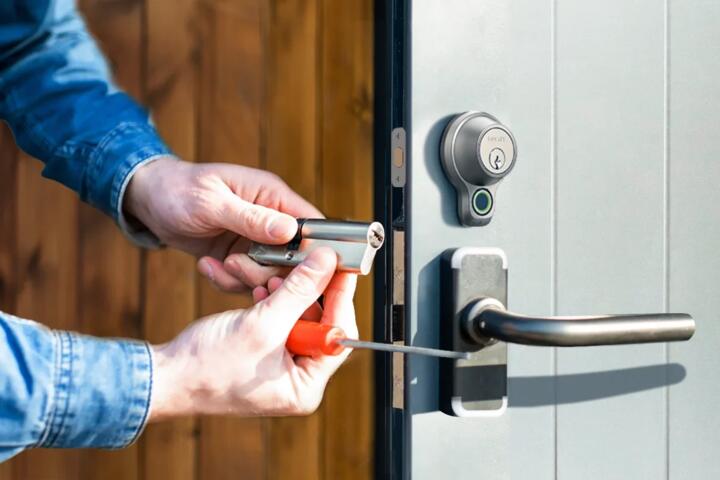
Mounting screws determine whether the strike plate resists force or just tears out. Use screws rated for the door hardware application and long enough to reach the structural framing member behind the jamb. In many installations, that means screws that penetrate beyond the jamb trim and into the stud or a solid reinforcement block. If you cannot confirm what the screws will reach, remove the strike plate and inspect the material behind it. That inspection often reveals whether the jamb is solid, laminated, or hollow.
Common screw types include wood screws for wood jambs and machine screws with appropriate anchors for metal or composite frames. Avoid mixing screw types without matching the plate’s hole design and the frame’s material. If the strike plate uses standard mounting holes, the plate may be designed for screws of a particular diameter. Using oversized screws can split wood or distort the plate, which reduces contact and can worsen alignment.
When you install, pre-drill pilot holes in wood to reduce splitting. A mild frustration: many people skip pilot holes because the jamb “looks hard,” then wonder why the screw threads strip after a few turns. For reference, a common drill bit size for pilot holes is slightly smaller than the screw’s root diameter, but the exact size depends on screw gauge and wood type.
Upgrade Plate Design With Care
Extended or reinforced strike plates can spread load across a larger area and reduce stress concentration at a single point. Choose a plate that matches the latch face and backset so the latch bolt aligns with the strike opening. If you install a plate with the wrong latch cutout, the latch may bind or engage shallowly. Some plates include reinforcement ribs or additional mounting holes; those features help only when the extra holes also land in structural material.
For doors with known frame weakness, some installers add a reinforcement block behind the jamb. That approach changes the load path by giving the screws something solid to bite into. The tradeoff is that it requires access to the jamb and careful measurement so the latch still aligns. If you are working in a finished interior, you may need to remove trim, which can be messy and time-consuming.
Address Frame Strength And Movement
Strike plate upgrades fail when the frame flexes. Check for movement by pushing and pulling on the door near the latch side. If the jamb flexes, the screws can loosen even with good hardware. Look for signs of prior repairs: patching around the strike area, cracked jamb wood, or gaps between jamb and wall framing. Those signs suggest the frame may not hold screws under repeated loading.
Weatherstripping changes can also affect frame movement and latch engagement. If the door is pulled inward by new seals, the latch may not seat fully. A practical method is to adjust the latch strike position or door stop so the door closes with consistent compression without forcing the latch. If the door is sagging due to hinge wear, the latch side may drop, and the strike plate can’t compensate for that geometry.
Case Examples For Real Homes
Apartment Entry With Hollow Jamb
An anonymized tenant replaced a deadbolt cylinder and kept the original strike plate. After a few months, the door began to rattle at the latch side, and the tenant noticed the latch sometimes didn’t fully seat when the door was slammed. The maintenance request focused on the lock, but the real issue was the strike plate screws biting into thin jamb trim rather than into a structural member. The fix involved removing the strike plate, confirming the jamb construction, and remounting with screws that reached the framing behind the trim. The tenant also adjusted the door so the latch engaged consistently, which reduced wear on the strike opening.
Single-Family Door With Worn Strike Area
A homeowner installed a heavier strike plate after noticing visible wear marks around the latch opening. The first attempt used longer screws, but the jamb split near one screw hole, and the plate loosened within weeks. The second attempt included pre-drilling pilot holes and using screws matched to the plate’s hole diameter and the jamb’s material. The homeowner also checked latch engagement depth and corrected alignment so the bolt entered fully. After the adjustment, the door closed with less rattle, and the strike opening showed less new wear during normal use.
Strike Plate Checklist
| What You Check | Why It Matters | What “Good” Looks Like | Common Failure Sign |
|---|---|---|---|
| Latch engagement depth | Less engagement reduces pull-out resistance | Bolt enters fully without scraping | Door rattle or partial seating |
| Screw reach | Screws must bite into structure | Screws penetrate beyond trim | Stripped holes or loose plate |
| Frame condition | Weak jamb splits under load | No cracks near strike area | Patch repairs or visible gaps |
| Door alignment | Alignment controls how force transfers | Consistent latch contact across use | Wear concentrated on one edge |
Step-by-step checklist: remove the strike plate and inspect the jamb behind it; confirm what material the screws can reach; select a strike plate that matches the latch face and backset; pre-drill pilot holes in wood; mount with screws that penetrate into structural material; test latch engagement with paper strips; then check for door movement at the latch side and adjust hinges or stops if needed.
Common Mistakes To Avoid
One mistake is installing a heavy strike plate while leaving the original short screws in place. The plate may look stronger, but the load still transfers into weak trim. Another mistake is choosing a plate that does not match the latch geometry, which can cause partial engagement that worsens over time. People also reuse stripped screw holes without correcting the underlying material weakness; the new screws may hold briefly and then fail under stress.
Some homeowners drill and drive screws without pilot holes in wood jambs. That practice can split the jamb, especially near the edges of the strike area where the wood grain is less forgiving. Others rely on “longer screws” without verifying that the screws reach the framing member. If the screws land in hollow space, the strike plate can still shift under load, and the latch can slip.
Finally, alignment changes often get missed. New weatherstripping, a door sweep adjustment, or a hinge tightening can shift the door’s resting position by a small amount. That small change can reduce latch engagement depth, and the strike opening can wear faster. A practical approach is to re-check engagement after any door hardware or seal change, even if the lock “feels” smooth.
FAQ
Do Strike Plates Stop Kicks
Strike plates resist latch pull-out and help transfer force into the frame, but they do not stop every kick by themselves. Kick resistance depends on frame strength, screw anchoring depth, door construction, and hinge condition, so the latch area only improves one part of the load path.
What Screw Length Should I Use
Screw length should reach structural material behind the jamb, not just the trim layer. The correct length depends on your jamb thickness and whether the frame has a solid reinforcement block, so the most reliable method is to remove the plate and inspect what the screws will actually penetrate.
Can I Use Any Longer Screws
Longer screws can split wood jambs or mismatch the strike plate hole design. Use screws matched to the plate’s mounting hole diameter and the frame material, and pre-drill pilot holes in wood to reduce splitting and thread stripping.
How Do I Check Frame Strength
Check for movement by pushing and pulling the door near the latch side and inspect for cracks or prior repairs around the strike area. If the jamb flexes or the screw holes strip easily, the frame likely lacks the stiffness to hold the latch under load.
Will Weatherstripping Affect Latch Security
Weatherstripping can change the door’s resting position and reduce latch engagement depth. After installing or adjusting seals, test latch seating with a paper strip and look for consistent bolt entry without scraping.
Author's Insight
Door security at the latch point behaves like a mechanical system: the strike plate and screws matter because they control how force transfers into the frame. Evidence from building practice and hardware installation guidance consistently points to anchoring into structural material as the limiting factor, not plate appearance. I do not have personal clinical experience, but I can synthesize common failure modes reported by installers and documented in hardware manuals: misalignment, insufficient screw reach, and frame splitting. If you want a measurable outcome, focus on engagement depth and post-install stability rather than on the plate’s thickness alone.
Key Takeaways
- Strike plates work through the load path; screws and frame strength decide whether the latch resists pull-out.
- Verify latch engagement and alignment after any door or weatherstripping change.
- Use screws that reach structural material behind the jamb, and pre-drill pilot holes in wood.
- Inspect the jamb behind the strike plate when holes look stripped, when the door rattles, or when prior repairs exist.