Window Locks And Attack Paths
Window security depends on more than the lock label on the sash. Attackers typically combine leverage, impact, and time to defeat the weakest link, which might be the glazing, the frame, the fasteners, or the lock mechanism. A casement window with a solid multi-point lock can still fail if the frame screws are short or the hinge side is loose. A sliding window can feel “locked” while the track and latch geometry still lets a pry tool lift the sash.
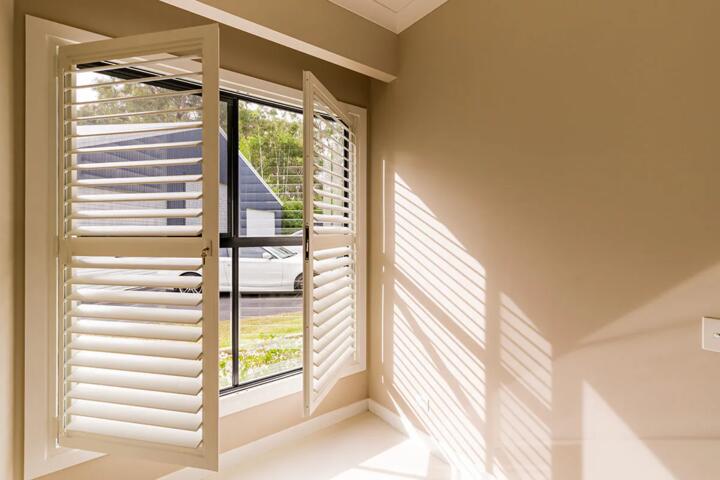
For practical examples, compare a double-hung window with a simple latch to a casement window with multiple locking points. The double-hung often has a vulnerable meeting rail area where the sash can be lifted or pushed if the latch engagement is shallow. The casement’s weak point often shifts toward the hinge side or the frame anchoring, because the sash rotates and the lock load transfers into the hinge hardware and jamb fasteners.
If you’re evaluating your own windows, start by checking what moves under hand pressure. A window that shifts a few millimeters at the corners usually signals loose fasteners or worn weatherstripping, and that movement can translate into a pry gap during an attack. I’ve seen homeowners focus on the latch while ignoring the jamb, and the jamb is where the load goes when someone applies force.
Main Problems And Pain Points
People often assume “locked” means “secure,” but many window locks only restrict normal opening. Forced entry adds tools and higher loads, so the lock must resist bending and shear, not just hold against a light push. A latch that feels firm by hand can still fail if the strike plate is thin, misaligned, or screwed into weak material.
Another common mistake involves lock type mismatch. Sliding windows with a latch that only engages the top rail can still be lifted if the sash-to-track clearance is large. Double-hung windows with worn sash guides can allow the lower sash to rise even when the latch is engaged, because the guides control alignment more than the latch does. Casement windows can fail at the hinge side if the hinge screws are short or if the frame is hollow.
Supporting technologies shape outcomes. Glazing type matters because impact resistance varies widely between annealed glass, tempered glass, and laminated glass. Frame material matters because wood, vinyl, and aluminum respond differently to fastener pull-out. Installation quality matters because a lock installed into a poorly anchored jamb transfers force into trim rather than structure.
Even the “security” hardware can be undermined by small gaps. A pry tool needs a thin insertion point, and weather seals can hide that gap until force is applied. The gap often appears at the meeting rail, hinge corner, or latch strike area, and it rarely matches the lock’s advertised engagement.
Solutions And Advice
Match Lock Type To Window
Choose hardware that matches the window’s motion. For casement windows, look for multi-point locking that engages at multiple points along the sash, not just a single latch. For double-hung windows, focus on devices that prevent lift at the meeting rail and that maintain alignment under load. For sliding windows, prioritize locks that restrict both horizontal travel and vertical lift, because sliding attacks often combine a pry at the bottom corner with track manipulation.
When you shop, check the mounting method and the screw length requirements in the manufacturer’s instructions. A lock that expects structural anchoring can perform poorly if installed into hollow trim. I once reviewed a retrofit kit where the included screws were shorter than the jamb thickness; the latch felt tight, but the strike plate could move under a pry test.
Strengthen Frame And Anchors
Upgrading the lock without addressing the jamb can shift the failure point. Reinforce the strike plate area with correct fasteners into framing members, not just into surface material. For wood frames, verify that the screws bite into solid wood; for vinyl or aluminum, confirm the presence of reinforcement or use a system designed for that frame type.
Practical outcome targets depend on your baseline. A well-anchored strike plate typically reduces latch plate movement and increases resistance to prying forces, which you can observe by gently applying outward pressure at the latch area. If the sash shifts more than a few millimeters, the lock upgrade may not translate into meaningful resistance until the frame anchoring is corrected.
Use a simple check: close the window, lock it, then try to move the sash at the corners with firm hand pressure. If you feel a click or see a visible gap change near the strike, you’re likely dealing with alignment or fastener issues rather than a lock design problem.
Upgrade Glazing And Film Wisely
Glazing upgrades target the time-to-entry. Laminated glass holds together when cracked, which can slow an attacker who needs to remove the pane. Tempered glass breaks into small pieces, which can still allow entry if the frame and sash are vulnerable. Security film can improve resistance to impact and delay, but it depends on correct installation and the underlying glass type.
Before buying film, check whether the product is rated for impact resistance and whether it’s compatible with your window’s glazing configuration. Poorly installed film can peel at edges, and attackers often start at edges where adhesion fails. If you’re in a rental, confirm permissions because glazing changes can affect safety compliance and landlord insurance.
Test With Safe, Repeatable Checks
Security improvements should be measurable without destructive testing. Use a repeatable “shake and gap” routine: lock the window, inspect the latch engagement area, and check for movement at the hinge or meeting rail. Record observations with photos and dates; a quick note like “Version 2.1 weatherstrip replacement, 2026-03-14” helps you track what changed.
For sliding windows, check the track for debris and worn rollers. A dirty track increases the effort needed to close, which can lead to partial latch engagement. For casement windows, verify that the sash closes fully so the lock reaches its intended engagement depth.
If you use a home security app or a smart camera, avoid relying on it as a substitute for physical security. Cameras help after the fact; locks and frames reduce the chance of entry in the first place.
Case Examples For Realistic Scenarios
Double-Hung With Worn Guides
A tenant in an older apartment reported that the lower sash “wouldn’t budge” when the latch was engaged. A closer inspection showed worn sash guides that allowed slight upward movement when a pry tool was inserted near the meeting rail. The lock itself held against hand pressure, but the meeting rail gap changed under load. The fix involved replacing worn guides and adjusting the latch engagement so the strike plate aligned with the sash. The tenant also added a secondary restraint that limited lift at the meeting rail.
Casement With Loose Hinge Anchors
A homeowner installed a higher-grade casement lock after noticing drafts. The window still showed movement at the hinge corner when pushed by hand. A review of the hinge side revealed short screws that anchored into trim rather than framing. After replacing hinge fasteners with the correct length and anchoring into structure, the lock engagement became consistent and the sash stopped shifting at the corners. The homeowner then verified that the lock reached full engagement when the window was closed, because partial closure had been reducing the lock’s load path.
Lock Types Vs Weak Points
| Window Type | Common Lock Types | Typical Forced-Entry Weak Points | What To Check First |
|---|---|---|---|
| Casement | Single latch, multi-point, keyed cam | Hinge side anchoring, frame flex, latch strike alignment | Sash movement at hinge corner; strike plate screw bite |
| Double-Hung | Sash lock, keyed sash lock, meeting-rail restraint | Meeting rail gap, sash guide wear, latch engagement depth | Guide condition; lift resistance when locked |
| Sliding | Surface latch, keyed lock, pin/stop, sash restraint | Track manipulation, vertical lift at bottom corner, clearance gaps | Track debris and roller wear; lift at corners |
| Fixed | No lock; relies on glazing and frame | Glazing impact resistance, frame anchoring, trim gaps | Glass type; frame fasteners into structure |
Decision support checklist: start with the window’s motion, then test for movement at the corners, then verify that the lock’s strike engages fully. After that, address the frame anchoring and glazing resistance, because those elements decide whether the lock can do its job under force.
Common Mistakes To Avoid
One frequent mistake is buying a lock that fits the sash but not the frame. A retrofit kit may match the latch shape while still missing the structural anchoring requirements. Another mistake involves ignoring alignment. If the sash sits a few millimeters off center, the latch can engage shallowly and fail under load.
People also underestimate how weatherstripping affects security. Thick seals can hide gaps, but they can also prevent full closure if the sash doesn’t seat correctly. That leads to partial lock engagement, and partial engagement reduces the load path into the strike plate.
Some homeowners rely on window film or bars without checking egress needs. Safety codes and local regulations can affect whether you can open a window for emergency escape. If you live in a jurisdiction with specific egress requirements, verify them before adding permanent barriers.
Finally, avoid “security theater” upgrades that only change the look. A keyed cover over a weak latch does not stop pry force at the meeting rail or hinge side. The most trustworthy improvements reduce movement and increase resistance at the actual load-bearing points.
FAQ
Do Keyed Window Locks Beat
Keyed locks can reduce casual tampering, but forced entry often targets frame anchoring and glazing. A keyed latch with shallow strike engagement can still fail under prying forces.
How Can I Check Latch
Close and lock the window, then inspect the strike area for full contact and test for corner movement with firm hand pressure. If the sash shifts or the gap changes near the latch, the engagement depth likely needs adjustment.
Does Security Film Stop
Security film can delay entry by slowing breakage and holding fragments together, but performance depends on glass type and correct installation. Film alone does not fix weak frames or poor lock alignment.
What Weak Point Matters Most
For casement windows, hinge-side anchoring often matters because pry force transfers into hinges and jamb fasteners. For double-hung windows, the meeting rail and sash guides often matter because they control lift and alignment.
Are Window Upgrades Covered
Coverage depends on your insurer and policy terms. Some insurers require specific products or installation standards, and changes to glazing can affect claims handling, so confirm with your insurer before major modifications.
Author's Insight
Window security is a systems problem: lock hardware, sash alignment, frame anchoring, and glazing resistance work together. Many failures happen where the load transfers during prying, which is why “better locks” sometimes show little improvement when jamb fasteners remain weak. A careful evaluation uses repeatable checks for movement and engagement depth rather than relying on how the lock feels by hand. If you want a more formal assessment, look for products and installation methods that reference recognized forced-entry testing standards, then match them to your window type and frame material.
Key Takeaways
- Lock type matters, but frame anchoring and sash alignment decide whether the lock can resist pry forces.
- Casement windows often fail at hinge-side anchoring; double-hung windows often fail at the meeting rail and guides; sliding windows often fail at vertical lift and track clearance.
- Glazing upgrades can delay entry, but they do not compensate for weak jamb fasteners or shallow latch engagement.
- Measure results with repeatable “gap and movement” checks and document changes over time.