Emma Muggridge


Emergencies & Safety Safety Editor | Emma crafts clear, actionable guides for unexpected situations.

Emma Muggridge focuses on practical safety and emergency advice. Her content aims to make preparedness accessible and straightforward for everyone.

 
"Emergencies are less about the gear and more about readiness. Having a plan sets the real course."
 

Approach

  • Simplify complex emergency scenarios into clear steps
  • Focus on action-oriented safety strategies
 

Areas of Coverage

Emergencies
Guides on handling natural disasters and personal crises effectively.

Safety
Practical safety tips for daily life and unexpected events.


Topics & Interests:

Exploring emergency preparedness kits
Participating in safety workshops
Researching disaster stories


Emma Muggridge

Latest Articles

Emergencies 18.06.2026

First Steps to Take Immediately After a Car Crash

A car crash is stressful and disorienting, but what you do in the first few minutes can make a big difference for everyone’s safety, your legal protection, and how smoothly an insurance claim goes. This article walks drivers through the most important immediate steps—like checking for injuries, moving to a safer spot when possible, calling for help, documenting the scene, and exchanging the right information. It also highlights common mistakes that can create headaches later, shares practical tips you can follow even when you’re shaken up, and includes real-life examples and simple tools to keep you organized. Knowing these basics can ease the chaos and prevent bigger problems after a collision.

Read » 405
Safety 21.06.2026

Essential Steps to Protect Your Home Before a Severe Storm Hits

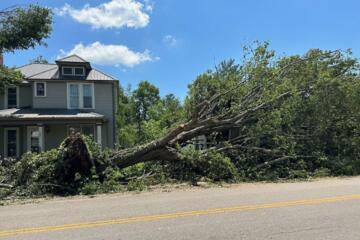
Severe storms can roll in fast and leave behind expensive damage—flooded rooms, torn shingles, broken windows, and debris everywhere. The good news is that a little preparation ahead of time can make a big difference in what you’ll have to repair (and pay for) afterward. This guide goes beyond the usual “buy batteries” checklist and focuses on the steps homeowners actually use to protect their property: how to secure roofs, doors, and outdoor items, reduce flood risk, and handle utilities safely before conditions get dangerous. You’ll also find practical, experience-based tips that help you prioritize what matters most when time is short.

Read » 302
Emergencies 24.06.2026

Flight Canceled? How to Get Rebooked or Refunded Fast

Few things throw off a trip faster than a canceled flight. Suddenly you’re juggling new plans, long lines, and confusing app updates—often while trying not to miss connections or lose money. This article lays out clear, practical steps to take right away so you can get rebooked quickly or claim the refund you’re entitled to. You’ll learn how to use airline apps, text alerts, and customer service channels more effectively, what details to document, and the common mistakes that can slow everything down. It also explains what compensation may be available in different situations, so you know what to ask for and what to expect.

Read » 232
Safety 27.06.2026

How to Make Your Home Harder to Break Into

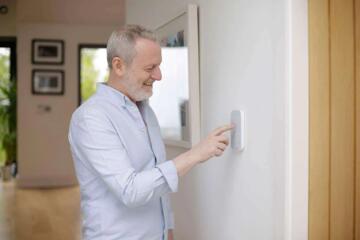
Worrying about a break-in is unsettling, but improving your home security doesn’t have to mean turning your house into a fortress. This article shows homeowners and renters practical, proven ways to make a property harder to target—from fixing the common mistakes intruders count on (weak doors, poor lighting, predictable routines) to smart upgrades that actually pay off. You’ll learn how to reinforce entry points, use cameras and alarms effectively, and create simple layers of deterrence that work in the real world. With clear examples and data-backed guidance, you can make safer choices without falling for gimmicks or tired, one-size-fits-all advice.

Read » 248
Emergencies 30.06.2026

Stolen Phone Overseas: Protecting Your Data and Getting By

Losing your phone overseas—whether it slips out of your pocket or gets stolen—can feel like a travel nightmare, especially when it holds your banking apps, boarding passes, and contacts. This article walks travelers and expats through the most important steps to take right away to protect your personal data, lock down accounts, and reduce the risk of fraud. It also covers practical ways to get back online and reachable fast, from replacing your SIM/eSIM to using backup devices and recovery codes. With real-world scenarios and a clear checklist, you’ll know how to act quickly, recover what you can, and limit the damage after a phone goes missing abroad.

Read » 328
Safety 03.07.2026

Everyday Items Every Home Emergency Kit Needs

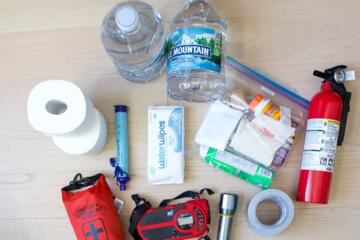
When something unexpected happens—like a long power outage, a storm, or an evacuation order—you don’t want to be scrambling for basics at the last minute. This guide walks you through building a home emergency kit that’s actually useful when daily life gets disrupted. Instead of vague advice, it lists the specific items that matter most and explains why you need them, from water and shelf-stable food to lighting, tools, batteries, first-aid and medication supplies, and important documents. It’s based on real-world needs and helps you put together a kit you can count on, then keep it updated over time.

Read » 195
Emergencies 06.07.2026

Apartment Flooding Emergency: What to Do Before Calling the Landlord

An apartment flood can go from “a small leak” to soaked floors and ruined belongings in minutes, and it’s easy to panic when water is spreading fast. This guide is designed for renters who need to act quickly and calmly. It walks you through the first steps to take to limit damage—like shutting off water if you can, protecting valuables, and staying safe around electricity—plus how to notify your landlord or building management in a way that gets results. You’ll also learn what to photograph and write down for insurance or reimbursement, which basic tools and supplies can help in the moment, and the common mistakes that can make the situation worse or slow down repairs.

Read » 452
Safety 09.07.2026

Hidden Carbon Monoxide Risks at Home and How to Spot Them

Carbon monoxide is one of the most dangerous hazards in a home because you can’t see it, smell it, or taste it—and many people don’t realize there’s a problem until they start feeling sick. This article helps homeowners and renters understand where CO can come from (faulty heaters, blocked vents, car exhaust in attached garages, and other everyday sources) and how to spot trouble early. You’ll learn the subtle warning signs that often get mistaken for a cold or fatigue, plus the practical steps that reduce risk: proper ventilation, safe appliance use, and placing CO detectors correctly. A little awareness here can prevent poisoning and save lives.

Read » 483