CO Detector Placement Basics
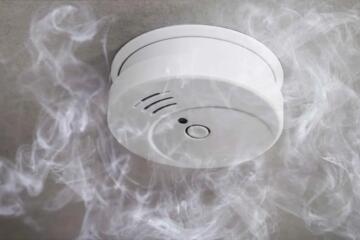
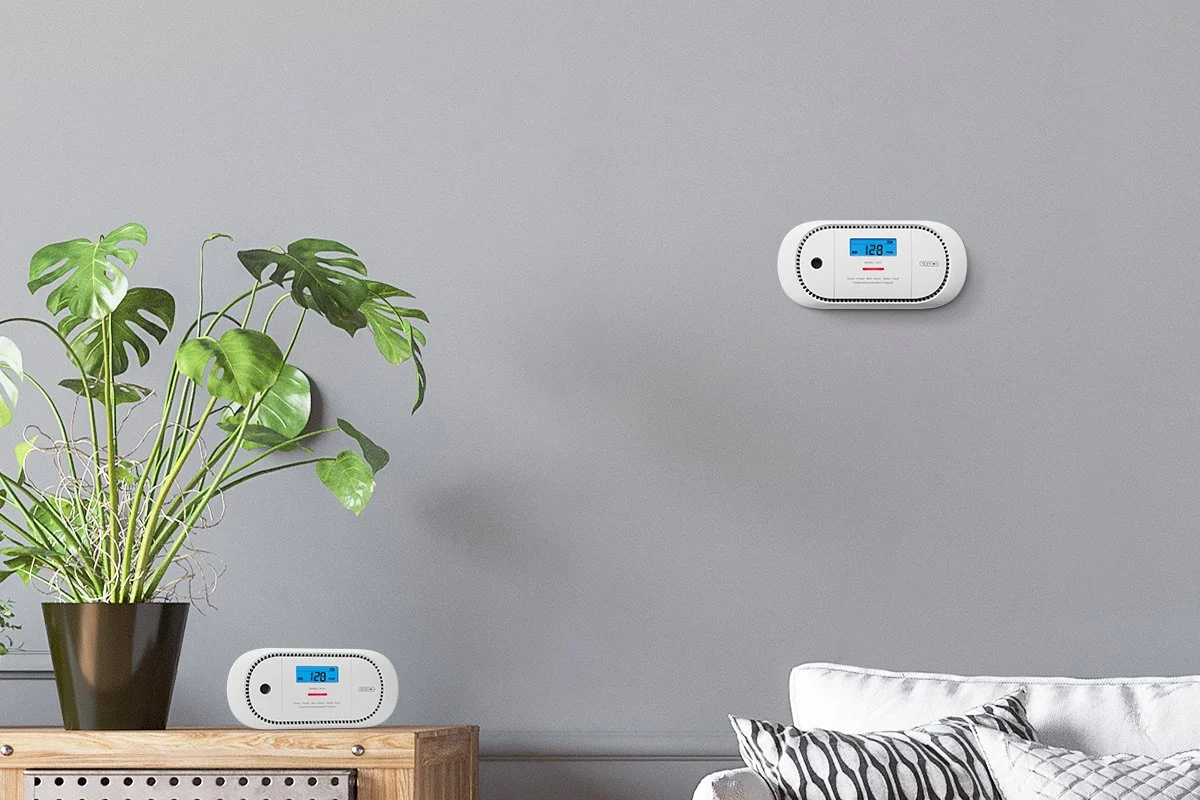
Carbon monoxide detectors measure air for carbon monoxide and trigger an alarm when concentrations rise above the device’s programmed thresholds. CO is invisible and usually odorless, so detector placement matters because the gas can reach sleeping areas after it forms in garages, basements, or utility rooms.
For bedrooms, the goal is to wake occupants early enough to exit and call for help. For garages, the goal is to detect CO near the source and before it migrates into living spaces through doors, shared walls, or air leaks. A practical example: an idling car in an attached garage can produce CO that enters the hallway when the garage door is opened, when the door to the house is left ajar, or when the garage has air leakage around the service door.
Placement rules depend on the alarm type (plug-in, hardwired, battery-only) and on the manufacturer’s installation instructions, which often reference specific mounting heights and spacing. Many jurisdictions also reference national model codes and standards for alarm locations, but local amendments vary, so the safest approach pairs code guidance with the exact manual for your model.
Common Placement Mistakes
People often mount CO alarms where they can reach them quickly rather than where CO is likely to accumulate. CO is slightly lighter than air, so it does not behave exactly like smoke; it can spread through a room and travel along airflow paths, which makes “high on the wall” assumptions unreliable.
Another frequent error involves garages. Some homeowners place a detector only inside the garage, then assume that covers the bedroom because the garage is “attached.” CO can still enter the home through the door between the garage and the house, through shared ductwork, or through gaps around the garage door tracks. If the bedroom is above the garage, CO can also reach it through stairwells and hallways.
Users also miss the dependency chain: the detector must be powered reliably, the sensing chamber must not be blocked, and the alarm must be audible where people sleep. A battery that is “still working” can still fail under load; a hardwired alarm can still go silent if its backup battery is missing. Even the best placement fails if the alarm is covered by paint overspray, stored in a drawer during renovations, or mounted behind furniture that blocks airflow.
Finally, many people test only by pressing the test button. That confirms the alarm’s electronics, not the household’s coverage. In a real event, CO levels rise and fall with ventilation, appliance cycling, and door openings, so coverage depends on where the gas travels during those changes.
Bedroom And Garage Rules
Most placement guidance aims to cover sleeping areas and the routes CO can take from fuel-burning sources. For bedrooms, that usually means placing alarms in or near each sleeping space so occupants can hear them. For garages, it usually means placing alarms in the garage itself, especially near the door that connects to the home.
Because CO distribution varies with airflow, the most defensible rule is to follow the manufacturer’s location instructions for your specific model and then add coverage where people sleep. If you have multiple bedrooms on different floors, you typically need coverage on each floor where sleeping occurs. If you have an attached garage, you typically need coverage in the garage and in the home areas that share air pathways with it.
Two practical examples that show why “one alarm is enough” often fails. Example A: a single CO alarm in the hallway outside bedrooms may miss a bedroom if the alarm is too far away and the alarm sound is muffled by closed doors; Example B: a single alarm in the garage may not warn early if CO enters the house through a different path than the one you assumed.
Place Alarms For Sleeping
Mount CO alarms in or near bedrooms so the alarm sound reaches sleeping occupants. If a hallway separates bedrooms, place an alarm in the hallway near the bedrooms rather than at the far end of the house. If you have multiple bedrooms, cover each sleeping area; if bedrooms are on different floors, cover each floor.
Use the mounting height guidance from the unit manual and keep the sensing inlet unobstructed. Many CO alarms specify placement on a wall or ceiling with a particular clearance from corners, and those clearances matter because they affect airflow around the sensing chamber. I often see people mount alarms above a door frame without checking the manual’s clearance notes; that can place the alarm where airflow is weaker than expected.
Test monthly using the device’s test function and verify sound audibility by listening from inside a closed bedroom door. A closed door can reduce sound levels enough that you may miss the alarm during sleep, which is why “I heard it in the hallway” is not a reliable check.
Cover Attached Garages
For garages, place CO alarms in the garage area where CO is likely to form, and position them so they can detect CO before it enters the home. Many manuals recommend wall mounting near the door that leads to the house, because that door is a common pathway for CO migration when it opens or leaks.
Keep alarms away from direct spray, heavy dust, and areas where exhaust fumes can blast directly into the sensing inlet. If you store chemicals or run power tools that create fumes, follow the manual’s guidance on separation distances. A mild frustration: garage fumes are messy, and people often mount alarms where they get coated over time, which can degrade performance.
If the garage has an internal stairwell or a shared wall with bedrooms, consider additional coverage in the adjacent home area. The goal is to avoid relying on a single detector to cover both the source area and the sleeping area through unpredictable airflow.
Power, Testing, And Maintenance
Use the power type specified by the alarm model. Battery-only alarms need fresh batteries on a schedule; hardwired alarms usually include a battery backup, which also needs replacement. Check the unit’s low-battery chirp behavior so you can distinguish it from CO alarms.
Replace alarms at the end of their rated service life. Many CO alarms have a manufacturer-stated lifespan (often around 5 to 10 years, depending on the model), and the sensing components can age. If you do not know the install date, look for the purchase record or the date printed on the back label.
Test monthly and keep a log. A simple spreadsheet works; I used a phone note app (iOS Notes, version 16.x) to track test dates for one household, and the habit reduced missed replacements. If the alarm ever shows a fault indicator, follow the manual’s troubleshooting steps rather than ignoring it.
Follow Codes And Manuals
Building codes and standards vary by jurisdiction, but many align with national model code concepts for CO alarm placement. The most reliable source for your exact installation is the alarm’s manual, which often includes diagrams for walls, ceilings, and clearance from corners and doors.
When you consult local requirements, look for references to CO alarm placement in sleeping areas and near fuel-burning appliances. If you rent, follow the lease and local tenant rules for alarm maintenance; some areas require landlords to provide and maintain working alarms.
If you renovate, treat CO alarm placement as part of the project scope. Moving a wall, adding a soffit, or changing HVAC return paths can change airflow patterns, and the alarm’s location may no longer match the manual’s intended airflow conditions.
Educational Case Examples
Attached Garage With Bedroom Above
A homeowner has an attached garage with a bedroom above it. They install one CO alarm in the garage near the door to the house and one in the hallway outside the bedroom. During a monthly test, both alarms sound clearly with doors closed. When the homeowner later replaces the garage door weather stripping, they keep the garage alarm in place because the manual’s clearance guidance still matches the new door alignment.
This scenario works because it covers both the source area and the sleeping area, and it does not assume that the garage detector alone will warn someone upstairs. The homeowner also avoids blocking the garage alarm with stored items, which can happen when shelving is added.
Detached Garage With Shared Utility Wall
A household has a detached garage and a utility room on the other side of a shared wall. They place a CO alarm in the utility room near the fuel-burning appliance and add an alarm in the hallway serving the bedrooms. They do not place a CO alarm in the detached garage because the garage has no fuel-burning equipment and no vehicle idling occurs inside.
This scenario is educational because it shows how detector placement ties to the CO source and to sleeping coverage. If the household later starts idling vehicles inside the detached garage, they should reassess coverage and follow the alarm manual and local guidance for that new use pattern.
Placement Checklist And Comparison
Use this checklist to decide where to mount alarms and what to verify after installation. It focuses on coverage logic rather than brand selection.
| Area | What To Cover | Common Placement Goal | What To Verify |
|---|---|---|---|
| Bedrooms | Sleeping occupants | Alarm audibility with doors closed | Manual mounting height and clearances; monthly test |
| Hallways Near Bedrooms | Route to sleeping areas | Coverage when bedrooms are closed | Distance from bedrooms per manual; sound check |
| Attached Garages | CO source area | Detection before CO enters home | Near door to house; keep sensing inlet unobstructed |
| Utility Rooms | Fuel-burning appliances | Detection near combustion sources | Follow appliance room guidance; avoid direct exhaust blasts |
Step-by-step checklist:
- List every sleeping area by floor and identify which rooms share a hallway.
- List every CO source location: attached garage, furnace/boiler room, water heater area, fireplaces, and any vehicle idling practices.
- For each alarm model, read the manual’s diagrams for wall/ceiling mounting height and corner clearances.
- Place bedroom coverage so the alarm is audible with doors closed, then place garage coverage near the door pathway to the home.
- After installation, run a monthly test and confirm sound audibility from inside each bedroom.
- Replace batteries and alarms on schedule, and treat any fault indicator as a reason to troubleshoot immediately.
Common Mistakes To Avoid
Mounting too close to corners or behind curtains can reduce airflow around the sensing chamber. CO alarms still detect CO in many conditions, but placement that blocks airflow makes performance less predictable, and the manual usually spells out those restrictions.
Another mistake involves ignoring nuisance alarms. People sometimes disable alarms after repeated false alarms from cooking fumes or steam, then forget to restore them. CO alarms are designed to respond to CO, not to smoke, so repeated alarms should trigger investigation of the alarm’s placement and the household’s combustion sources rather than permanent disabling.
Some households place a detector in the garage but keep the battery compartment inaccessible or forget to replace the backup battery in hardwired units. A chirp pattern can be missed if the alarm is mounted where it is rarely heard, so choose a location where you can notice alerts.
Finally, people assume that a single alarm in a hallway covers every bedroom. Sound travels differently through closed doors and across floors, so coverage should be verified by testing from inside the sleeping rooms, not by hearing the alarm in the open-plan living area.
FAQ
Where Should A CO Alarm Go In A Bedroom?
Place it in or near the bedroom so the alarm sound reaches sleeping occupants with doors closed, following the manual’s mounting height and clearance instructions.
Do I Need A CO Detector In An Attached Garage?
Yes, when the garage can generate CO from vehicle idling or fuel-burning equipment, and when the garage connects to living areas where CO could migrate.
How Close Should CO Alarms Be To Doors?
Follow the manufacturer’s diagrams for clearance from doors and corners; for garages, many manuals recommend placement near the door that leads into the home.
Can I Rely On A CO Alarm Only In The Hallway?
Hallway-only coverage can fail when doors are closed or when the hallway is far from a bedroom; verify audibility from inside each sleeping room and add alarms if needed.
How Often Should CO Alarms Be Tested?
Test the alarm monthly using the unit’s test button and replace batteries or the entire unit on the schedule stated by the manufacturer.
Author's Insight
CO detector placement is a coverage problem, not a single-point measurement problem. CO can travel through airflow paths created by doors, HVAC circulation, and leakage, so the alarm must be placed where people can hear it during sleep and where CO is likely to enter living spaces.
Because manuals specify mounting heights and clearances, the most defensible approach pairs those instructions with a household map of sleeping areas and CO sources. I also treat the monthly test as a sound-audibility check from inside bedrooms, since electronics tests do not confirm coverage distance.
When a home has an attached garage, I plan for two layers: detection near the source and warning in the sleeping zone. That approach reduces reliance on assumptions about how quickly CO moves through a specific floor plan.
Key Takeaways
- Place CO alarms to cover sleeping occupants and to detect CO near likely sources such as attached garages.
- Follow the alarm manual’s mounting height and clearance guidance; avoid blocking the sensing inlet.
- Verify audibility from inside bedrooms with doors closed, not just in hallways.
- Test monthly, maintain power and backup batteries, and replace alarms at the end of their rated lifespan.
- Use local code requirements as a baseline, then adjust for your exact floor plan and CO sources.