Learning CO Risks at Home
Carbon monoxide is a colorless, odorless gas generated by incomplete combustion of fuels like natural gas, oil, wood, charcoal, and propane. It enters homes mostly through malfunctioning appliances and poor ventilation. Each year, the U.S. Centers for Disease Control and Prevention reports about 50,000 emergency visits related to CO poisoning. People often overlook subtle CO buildup because it produces no immediate alarm or visible signs, unlike smoke or fire.
For example, furnaces, water heaters, and gas stoves without proper venting may leak CO into living spaces. One documented case involved a home where the furnace vent pipe was partially blocked by snow, raising deadly CO levels during winter. Many people assume CO detectors will catch the threat, but these devices need regular testing and replacement to work effectively. CO risks lurk quietly but demand vigilance.
Common Misunderstandings
Many homeowners believe CO poisoning only occurs in extreme or faulty conditions. That assumption leads to complacency. CO can accumulate in low, unnoticed doses over hours or days. Symptoms mimic flu or food poisoning: headache, dizziness, nausea, fatigue. Recognizing subtle signs is difficult because they improve when leaving the space, causing delay in seeking help.
People often confuse CO symptoms with mild illness, ignoring their home's ventilation status. Networks of ductwork or adjacent neighbors’ faulty boilers create unexpected CO infiltration routes. Small cracks around windows and doors offer an entry path too. The consequences can be tragic—CO causes over 400 deaths annually in the U.S. alone.
Consider a family experiencing chronic headaches during cold months who later discovered corroded furnace parts releasing CO. Timely intervention prevented worse outcomes. Homeowners misjudge air quality by relying solely on smells or clear air tests. CO’s stealth means detection requires tools and a trained eye.
How to Spot and Stop CO
Install and Maintain CO Detectors
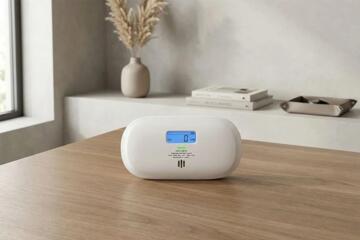
Placing detectors near sleeping areas maximizes alertness during exposure. Devices with digital readings like the Kidde Nighthawk model (version 3.1) show CO levels constantly, alerting before dangerous peaks. Changing batteries annually and replacing detectors every 5-7 years avoids false security. Test alarms monthly, which, frankly, most people skip.
Inspect and Service Fuel Appliances
Hire certified HVAC technicians to examine furnaces, water heaters, fireplaces yearly. Professionals identify vent blockages, cracked heat exchangers, or loose fittings. A cracked heat exchanger alone leaks substantial CO—repair or replacement is non-negotiable. Regular inspection reduces unexpected breakdowns and invisible leaks.
Ensure Proper Ventilation
Check vents for ice buildup in winter or foreign objects indoors. Ventilation fans in kitchens and bathrooms should exhaust air outdoors, not into attic or crawl space. The EPA recommends fresh air exchange rates between 0.35 and 0.5 air changes per hour to keep indoor air safe. Mechanical ventilation systems can be installed to maintain those levels when natural airflow is inadequate.
Watch for Warning Signs
Unusual soot around appliance burners, yellow-tipped flames instead of blue, and pilot lights that frequently go out indicate incomplete combustion. These signs reveal CO generation at work. Regular visual inspection may be needed because spotting these details requires trained eyes.
Seal Entry Points
Seal cracks around windows, doors, vents, and chimneys with weather stripping or caulk. Air leaks allow CO to seep from adjacent spaces or outdoor sources. Home energy audits often uncover these hidden gaps. Fixing them improves air quality and reduces heating bills. The balance is tricky — too tight sealing without ventilation traps CO inside.
Use Portable CO Monitors During Risky Activities
Running gas-powered generators indoors or using charcoal grills inside a garage introduces dangerous CO quickly. Portable battery-powered CO monitors like the First Alert CO605 can detect levels rising rapidly. This proactive approach avoids tragic reports from improper indoor grilling or emergency power use.
Know CO Exposure Limits
The Occupational Safety and Health Administration (OSHA) sets workplace CO limits at 50 parts per million (ppm) over 8 hours. Acute danger appears above 150-200 ppm. Familiarize yourself with these thresholds to interpret your detector’s data correctly. Lower-level exposures cause subtle symptoms that worsen over prolonged time.
Educate Household Members
Teach children and adults to recognize CO symptoms and respond immediately by leaving the area and calling emergency services. Training includes knowing where detectors are, how to reset alarms, and reporting maintenance issues promptly. Preparedness can save lives before it escalates.
Document Maintenance and Monitor Trends
Keep a log of inspection dates, repairs, and detector replacements. Use apps or simple notebooks to track recurring odorless symptoms or mysterious appliance issues. The pattern might reveal overlooked CO exposure sources, urging timely action. Yes, somebody has to write it down.
Real Examples of CO Problems
In 2019, a suburban family experienced headaches and dizziness during winter. Inspection found a blocked chimney liner and cracked furnace heat exchanger. Post-repair CO levels dropped from 70 ppm to below detection thresholds within 24 hours. No one needed hospitalization but had multiple ER visits before discovery.
An apartment complex reported chronic CO alarms across three units. Investigation found a shared ventilation shaft cross-connecting exhaust gases from boiler rooms into living spaces. After installation of dedicated venting ducts and CO monitors per unit, alarms ceased over 6 months, and no further symptoms were reported.
Tracking CO Safety Checklist
| Task | Frequency | Tools/Service | Outcome |
|---|---|---|---|
| Test CO detectors | Monthly | Built-in test button | Functional alarms |
| Replace detector | Every 5-7 years | New CO alarm | Accurate detection |
| Inspect fuel appliances | Annual | Certified technician | No leaks or cracks |
| Ventilation check | Seasonal | Visual/airflow test | Clear air pathways |
| Seal leaks | As needed | Caulk, weather stripping | Reduced infiltration |
| Log symptoms | Ongoing | App or notebook | Identify CO trends |
Frequent Errors to Avoid
Ignoring CO detectors’ expiry dates wastes their protective potential. Sensors degrade gradually, sometimes failing without a warning sound. Leaving blocked vents untreated assumes the problem will disappear; it won’t. Many depend solely on odor or visible smoke to suspect CO, but the gas is undetectable by the human senses.
Skipping licensed professional inspections leads to missed hidden leaks. People sometimes place CO monitors in basements or kitchens only, neglecting bedrooms where exposure is deadly during sleep. Relying on one warning system without backup detectors or visual checks introduces risk. Also, do not assume open windows remove all CO—gases can accumulate in pockets or during still air.
One more mistake is delaying response after symptoms emerge. People convince themselves it’s a cold or fatigue instead of evacuating immediately. This hesitation increases poisoning chances significantly.
FAQ
How often should CO detectors be replaced?
CO detectors typically require replacement every 5 to 7 years because sensors lose sensitivity over time. Check the manufacturer’s guidance for your specific model.
Can CO poisoning happen from a gas stove?
Yes, especially if the stove’s flame is yellow or flickering, indicating incomplete combustion. Using gas stoves for heating without ventilation raises CO risks.
What symptoms indicate CO poisoning at home?
Headache, dizziness, nausea, confusion, and fatigue are common early signs, often mistaken for flu. Symptoms tend to worsen with continued exposure.
Do open windows prevent CO buildup?
Open windows improve ventilation but may not suffice if there are persistent leaks or blocked appliance vents. Mechanical ventilation helps maintain safer air exchange.
Are there portable CO detectors available?
Yes, battery-operated portable detectors like the First Alert CO605 provide flexible monitoring and are useful during temporary risk situations like camping or generator use.
Author's Insight
Having dealt with multiple CO hazards during home inspections, I realized many dangers fly under the radar. Most alarms fail when neglected, and the symptoms trick residents into ignoring the threat. Early inspections and continuous monitoring prevented a serious emergency in my own home last winter. I recommend logging any unexplained fatigue and routine detector tests, which surprised me with early warnings a few times.
Key Takeaways
Carbon monoxide hides silently in many households, often undetected until symptoms appear. Regular maintenance of fuel-burning appliances, proper ventilation, and working CO detectors reduce risks dramatically. Pay attention to subtle signs like discoloration around burners and flu-like symptoms that improve when outdoors. Routine inspections by professionals, combined with practical steps for sealing and monitoring, create safer indoor environments. Taking these actions prevents tragedy and maintains peace of mind.