Storm Risks for Homes
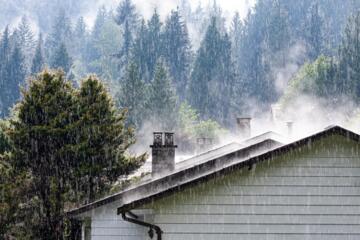
Severe storms bring a range of hazards to residential areas: high winds, flash floods, hail, and flying debris. For example, the National Oceanic and Atmospheric Administration (NOAA) reports that in 2023, storms caused over $30 billion in property damage in the U.S. alone. Understanding which risks your home faces helps tailor protections effectively. In coastal areas, storm surge tops the list; inland, flooding often causes the most damage. High winds can reach 100 mph or more in a strong thunderstorm or hurricane, enough to rip off roofs or shatter windows.
Practical examples include reinforcing garage doors popular in tornado-prone states or installing sump pumps in flood-prone basements. Not every storm impacts all parts of the country equally, but the potential for damage compounds quickly without action. Most homeowners notice damage after the event and then scramble—too late.
Common Setbacks Before Storms
A major mistake is underestimating preparation time and complexity. Many start after a warning, but some critical reinforcements like roof bracing or window shutters take days or weeks to install properly. Another issue is ignoring weak areas. Gutters clogged with leaves can exacerbate water damage. Windows without impact-resistant glass or shutters invite breakage and interior flooding when debris strikes.
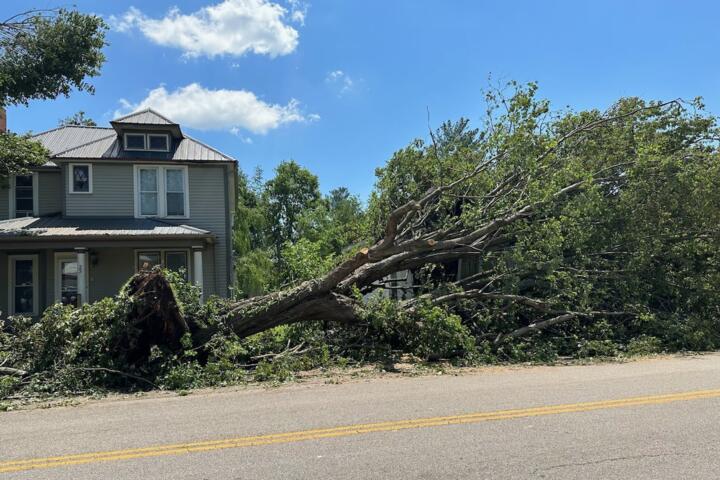
Failure to trim trees with overhanging limbs invites fallen branches, one of the leading causes of roof and siding damage. Many also neglect exterior waterproofing and sealing, which leads to water intrusion even with moderate rain. Consequences include extended repairs, mold growth, and in some neighborhoods, loss of property insurance coverage due to repeated claims. Imagine a mid-sized house in a Chicago suburb losing its siding and gutters after an unexpected Derecho because the owner never checked the fasteners.
Half measures waste money and effort. Rushing leads to overlooked details and vulnerabilities.
How to Safeguard Your Home
Strengthen roof components
Start with the roof; it’s the building's first defense. Verify nails and screws securing shingles and sheathing meet local building codes for wind resistance, often requiring ring-shank nails or screws. Adding hurricane straps around trusses ties the roof to walls, reducing uplift risk from strong winds. Products like the Simpson Strong-Tie straps cost around $100 for a package of ten. Roof tiles may need replacement with laminated architectural shingles rated for Class F winds up to 130 mph. If unsure about the roof’s condition—inspect annually or after storms, not just during alerts.
Install window protection
Windows can fail from wind pressure or impact. Impact-resistant glass is available from brands like PGT and Andersen with ratings for winds exceeding 100 mph. Alternatively, impact shutters or storm panels made from aluminum or polycarbonate can be mounted before storms. These shutters must be stored safely and installed quickly; practicing installation saves precious time. Expect to pay $15–$25 per square foot for shutters, but insurance discounts often offset cost over time.
Clear and secure gutters
Blockages cause water to overflow onto walls, eroding foundations. Clean gutters twice a year, or hire a service such as LeafFilter, which provides mesh gutter covers priced at $10 to $20 per linear foot. Make sure downspouts divert water at least 5 feet away from the foundation to prevent seepage. Some homes require French drains or landscaping grading adjustments for proper drainage.
Trim and remove at-risk trees
Dead branches or trees close to the house risk toppling in strong winds. Engage a certified arborist for inspection. Removing one hazardous tree costs around $300 to $1500 but eliminates a possible disaster source. Smaller branches trimmed annually reduce debris volume flying in storms. Do not ignore large limbs—even a minor storm causes significant damage when those hit roofs or windows.
Seal gaps and waterproof exterior
Examine siding, windows, doors, and foundation for cracks or openings. Use a high-quality exterior caulk such as GE Silicone II, which handles extreme temperatures and stays flexible. Cost is modest, around $6 per tube, covering 50 running feet. Apply sealants on or before the storm season begins. Proper sealing controls air leaks and water intrusion, reducing mold and decay risk from persistent dampness after a storm floods the area.
Protect HVAC and utilities
Shield air conditioning units and outdoor electrical outlets with covers rated for outdoor use. Elevate HVAC units above typical flood levels—4 to 6 inches is a common guideline. Secure propane tanks and generators on stable bases; unsecured equipment can become dangerous projectiles. Label circuit breakers clearly and know how to shut off gas and electricity safely to prevent fires and electrocution during flooding.
Emergency supplies and documentation
Store tools like a quality chainsaw (I use a Husqvarna 450 Rancher) and heavy-duty tarp in accessible spots. Keep an emergency kit with flashlights, batteries, water, and basic tools. Take photos of property and valuables to streamline insurance claims. Digital copies on encrypted drives help if physical copies are lost. A storm is no time for scrambling offline.
Monitor weather actively
Subscribe to alerts from the National Weather Service and local stations. Apps like RadarScope (v6.3) provide real-time radar and storm tracking. Early warnings allow for final preparations like moving vehicles away from vulnerable spots or securing loose outdoor items. A battery-powered NOAA weather radio remains useful when cell signals fail.
Insurance review and contractor contacts
Review your homeowner’s policy to understand what storm damage is covered. Many exclude flood damage; separate flood insurance may be necessary through the National Flood Insurance Program. Have contact info ready for trusted local contractors who specialize in storm damage repairs; post-disaster demand can delay repairs for weeks. Establishing relationships beforehand yields faster service.
Damage Control Scenarios
In 2022, a Tampa property management company faced Category 3 storm warnings and followed a tight checklist: roof reinforcement, window shutters installed by the maintenance crew, gutters cleaned, and trees pruned weeks before. After the storm, they reported only minor debris damage and no water intrusion, saving tens of thousands in repair costs.
Conversely, a typical Midwest homeowner delayed window boarding until a tornado watch sounded. With less than 12 hours, they struggled to secure fasteners properly. The resulting wind damage shredded siding and blew out living room windows; insurance payout took months to finalize.
Protection Checklist for Homes
| Task | Timing | Cost Range | Tools/Brands |
|---|---|---|---|
| Roof straps check | Annually | $100–$300 | Simpson Strong-Tie |
| Window shutters install | Pre-season | $15–$25/ft² | PGT, Andersen |
| Gutter cleaning | Twice/year | $100–$250 (pro) | LeafFilter covers |
| Tree trimming | Annually | $300–$1500 | Certified arborist |
| Seal foundation cracks | Pre-season | $50–$100 (DIY) | GE Silicone II caulk |
| HVAC elevation check | Pre-season | Varies | Local contractors |
| Emergency kit check | Seasonally | $50–$150 | Flashlights, tools |
Missteps to Avoid
Waiting for last-minute warnings leaves no time for thorough work; storm forecasts often arrive too late for complex tasks. Neglecting small gaps where water can seep in might seem trivial, but after flooding, that’s where mold settles. Many homeowners assume insurance protects against all damage and skip physical preparations, leading to high out-of-pocket costs or claim disputes.
Ignoring debris removal or tree maintenance because it feels expensive risks costlier repairs later. Some try DIY repairs without proper permits or experience, which may violate local codes and void insurance coverage. Equipment placement—like generators positioned on unstable ground—renders them useless or dangerous during floods.
FAQ
How far in advance should I prepare?
Start preparations at least 2–3 weeks before storm season peaks. Complex work like roof reinforcement or tree pruning requires time to arrange professionals.
Does flood insurance cover storm damage?
Flood insurance covers water damage from flooding, but not wind damage. Check with providers and acquire flood policies separately through the National Flood Insurance Program.
Can I install storm shutters myself?
Yes, if you follow manufacturer instructions carefully and practice installation. Some shutter types are more DIY-friendly than permanently mounted systems.
What if I have a weak old roof?
Consult a roofing contractor to assess and upgrade it. Certain reinforcements and replacement materials boost resiliency against high winds and water intrusion.
Are there specific tools to monitor storms?
Apps like RadarScope and NOAA Weather Radio devices help track storms closely and provide advance alerts for your area.
Author's Insight
From hands-on experience, small ignored details cause most home damage in storms. I once helped a family whose clean gutters averted basement flooding. Investing in window protection and roof straps saves headaches, even if installation seems tedious. Preparation is tedious but wards off chaos after the fact. Don’t trust vague warnings; verify your home repeatedly each season. Being proactive has saved neighbors tens of thousands in disaster repairs.
Final Thoughts
Prepare weeks before storm season peaks. Focus on roof security, window protection, and drainage as top priorities. Trim trees and seal gaps to limit damage inside and out. Maintain utilities and emergency supplies to stay safe during power outages. Review insurance terms and keep contractor contacts ready. Attention to detail minimizes disruption and expense from severe storms.