Why Immediate Steps Matter
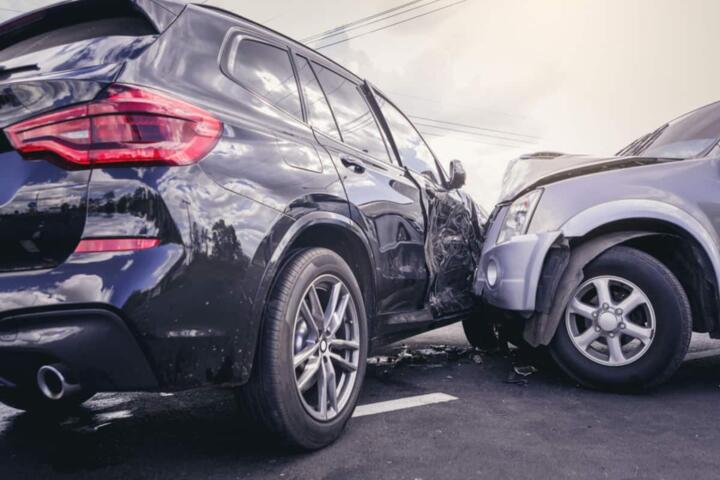
A car crash can shake you to the core, but your actions in the minutes after impact shape outcomes far beyond just repair costs. According to the National Highway Traffic Safety Administration, approximately 6 million accidents occur annually in the U.S., yet many drivers are unsure what to do next. For example, a minor fender bender in city traffic often leads to confusion over exchanging details, while highway crashes demand faster decisions about vehicle placement and emergency response.
Do not rush to move cars unless blocking traffic or unsafe. This prevents loss of crucial evidence.
Identifying all parties involved, noting weather and road conditions, and taking photos can improve your claim substantially.
Most don’t realize that delaying these actions costs much more later.
Mistakes and Their Effects
Many drivers either freeze or act hastily after a crash. Fleeing the scene, admitting fault, or neglecting medical checks compounds issues. For instance, a driver admitting guilt to a police officer on site may unknowingly prejudice a future insurance settlement, even if injury symptoms appear days later. Others skip calling police on minor crashes, only to find insurance companies demanding reports.
Ignoring seemingly minor injuries leads to denied claims. Research from the Insurance Information Institute shows 25% of car crash claims involve injury disputes. If no official report exists, insurers tend to side with the other party’s account.
Delaying documentation creates gaps in the timeline and weakens your position during claim negotiations or court hearings.
Next Steps After a Crash
Check for Injuries First
Before anything else, ensure you're okay and then check others involved. If anyone is seriously hurt, call 911 immediately. Moving injured parties can worsen their condition, so try to keep them still unless in immediate danger. Often, shock masks itself as calm; watch closely.
Secure the Scene Without Causing Danger
If the crash occurs in a dangerously busy place—like a highway—move vehicles just off the road if possible, or turn on hazard lights. Use reflective triangles or flares if you have them to alert other drivers, especially at night. It reduces secondary accidents, which contribute to about 17% of all crash fatalities.
Call the Police and Request a Report
Not all collisions require police, but always call if injuries, property damage exceeding $1,000, or disputes arise. The official report documents facts, records witnesses, and protects you against false claims. Many states mandate reports within 24 hours; some insurers require it too.
Exchange Information Carefully
Get names, phone numbers, addresses, driver’s license numbers, license plate numbers, and insurance policy data. Note vehicle makes, models, and colors. Avoid discussing fault or blame at this stage, even if pressed — it rarely helps and often hurts your case later.
Photograph Everything
Use your phone camera to capture damage from multiple angles, skid marks, road conditions, traffic signs, and injuries (if visible). Also, take wide shots showing vehicle positions and nearby landmarks. If a witness refuses contact info, note their vehicle’s description or license plate for follow-up.
Notify Your Insurance Within 24 Hours
Call your insurer or use their mobile app to open a claim. Waiting increases risk of claim denial or delayed repairs. Some carriers, like State Farm, have apps rated version 5.4, letting you upload photos and documents instantly. Keep a record of claim numbers and adjuster contacts.
Document Your Own Account
Write a detailed narrative of what happened as soon as possible while the memory is fresh. Include time, location, road and lighting conditions, speed, and any distractions or unusual events. Your written account plays a key role in legal or insurance disputes.
Seek Medical Attention Promptly
Even if you feel fine initially, visit a doctor within 48 hours. Whiplash, concussions, and internal injuries sometimes show delayed symptoms. Doctors’ records form baseline evidence for injury claims, making a strong difference in settlements.
Consider Legal Advice if Liability Is Unclear
If fault disputes escalate—especially in multi-vehicle or hit-and-run crashes—consult a qualified attorney. Many offer free initial consultations and can guide evidence collection or court options. Delaying legal help, particularly beyond six months, may weaken your case.
Cases That Show What Works
A delivery driver in Texas collided with a distracted motorist in a busy intersection. Instead of fleeing or arguing, she immediately called 911, documented damages with timestamps and GPS notes on her phone, and filed an insurer claim within 12 hours. Her quick documentation reduced claim processing time from 6 weeks to 3.
Another case involved a hit-and-run in Chicago. The victim couldn’t flag down a patrol car, but used app-based witness locator features and social media to find bystanders’ info. The police report helped identify the fleeing driver, who was fined and charged. The victim’s insurance covered over $8,000 in repairs with minimal dispute.
Immediate Action Checklist
| Action | Why | When | Tools |
|---|---|---|---|
| Check injuries | Safety | Immediately | Phone, first aid kit |
| Move car if safe | Avoid traffic hazards | Minutes after crash | Hazard lights, cones |
| Call police | Legal documentation | If injuries/damage | Phone |
| Exchange info | Claims process | Immediately | Pen, paper, phone |
| Photograph scene | Proof of damage | Within first 30 min | Phone or camera |
| Notify insurer | Claim support | Within 24 hours | Phone, app |
Avoiding Post-Crash Errors
People often waive medical checks because they ""feel fine"". This shortsightedness results in denied injury claims down the road. Another frequent error is giving verbal fault admissions in the heat of the moment, which insurers use against you. Documenting facts rather than opinions preserves your position. Leaving the scene of an accident, even minor, invites fines or criminal charges, which complicate everything.
Finally, don’t delay reporting to insurance or fail to keep copies of all documents. I’ve seen cases where paperwork went missing and the client had no way to prove efforts. Also, avoid posting details on social media until the claim closes; it almost never helps your case.
FAQ
What if the other driver flees?
Call police immediately. Provide license plate, direction of travel, and any witness info. Your insurer should also be notified right away.
Is a police report always required?
No, small crashes without injuries or major damage may not legally require it. But reports prevent potential disputes and help with complex claims.
Should I admit fault at the scene?
Never admit fault verbally or in writing at the crash scene. Fault assessment belongs to police and insurers based on evidence.
How soon must I report to insurance?
Most companies require notification within 24 hours to avoid claim denial and speed up repairs.
What if I feel fine but later have pain?
Get medical evaluation quickly anyway. Delayed symptoms are common. Medical records support injury claims and treatment.
Author's Insight
Years in accident response taught me the value of calm and method. I’ve seen drivers panic, missing key steps like calling police or documenting damage. The worst cases always involve rushed admissions or ignored injuries. Following a clear checklist, even under stress, can cut your claim time by weeks and protect you legally. One small detail like taking multiple angle photos once saved a client thousands when their story was challenged.
Key Points
Start with safety—check injuries and secure the scene carefully. Call the police if conditions meet criteria, and always collect detailed information without discussing blame. Record evidence promptly with photos and notes. Report to your insurer quickly and seek medical care even if pain isn’t immediate. Avoid common errors such as admitting fault or fleeing. Preparedness and attention to detail simplify outcomes — leaving less to chance and guesswork.