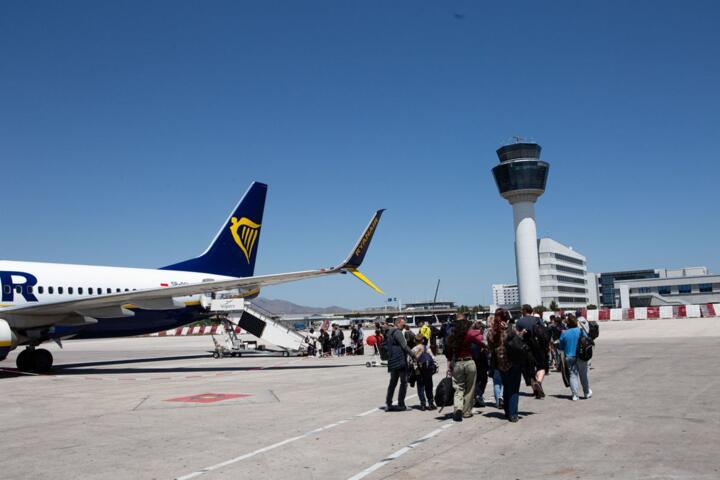
Flight Cancellations Basics
Flight cancellations hit millions annually—more than 1.5 million US flights were canceled in 2023 according to the Bureau of Transportation. Cancellations typically happen due to weather, mechanical faults, or staffing issues. Passengers often scramble not knowing immediate steps to take after notification. For instance, you might get an email but no direct instructions. Airlines usually promise rebooking but how fast depends.
Imagine booking a business flight with a tight schedule, then being told the night before it’s off. The clock starts ticking as you explore options for refunds or finding a new flight. Knowing your rights and tools speeds up recovery.
Frustrations Travelers Face
Booking sites and calls often mislead passengers about their options. People assume airline apps update automatically with new schedules, but many don’t. Waiting on hold for hours is common, and physical counters in airports become mob scenes. The fallout means lost meetings, missed connections, or added hotel expenses.
Sometimes travelers accept vouchers blindly, unaware of their limitations. Choosing the wrong refund avenue can extend delays from days to weeks. Quantifying the impact: a 2019 report found 54% of affected passengers ended waiting over 24 hours to sort cancellations.
Practical Fixes To Try Now
Contact the Airline Directly
Go straight to the source. Airline call centers and official apps offer rebooking and refunds fastest. Southwest and Delta, for instance, allow immediate self-service rebookings on their apps, which cut average wait time by 60% compared to calls. Call or app first, especially within 2 hours of cancellation alert.
Use Online Travel Agencies Cautiously
Third parties like Expedia and Kayak show rebooking options, but delays occur because you’re going through a middleman. Using them might be handy if an airline’s system fails, but expect slower refunds. Travel agencies sometimes hold tickets hostage for faster fees.
Check Your Credit Card Protections
Some credit cards—Chase Sapphire Reserve, for example—offer trip interruption insurance that refunds canceled flights when denied by airlines. It requires submitting proof and can take 2–3 weeks but serves as a backup. Know your policy’s fine print—coverage varies.
Leverage EU261 and U.S. Regulations
Flights departing or arriving in the EU have compensation rights under EU261 regulation. Airlines owe refunds plus up to €600 if cancellation is last-minute and not weather-related. In the U.S., airlines must refund the full ticket cost for canceled flights they didn’t operate, regardless of reason. Applying these laws directly with airline customer service can trigger faster responses.
Explore Alternative Flights Proactively
Immediately check nearby airports or partner carriers for availability. An example: rerouting through a secondary hub may reduce downtime immensely. Apps like FlightAware or Google Flights show alternative schedules in real-time. Acting fast can land you a seat on standby or alternate routes before others snap them up.
Request Compensation and Upgrades
Requesting meals, hotel stays, or upgrades when stuck overnight can offset inconvenience. Airlines like American Airlines provide vouchers or accommodation for delays beyond 4 hours—but you must ask. Keep receipts and log interactions for claims.
Join Frequent Flyer Programs
Loyalty pays. Frequent flyers get priority rebooking and can sometimes call special hotlines. Delta and United Global Services cardholders confirm faster reroutes. These perks save hours and frustration.
Use Apps for Automated Alerts
Applications like App in the Air or TripIt Pro alert users about cancellations immediately. These tools offer alternative flights instantly, allowing quicker decisions. An irksome thing: alerts sometimes lag, so verify with airline sources.
Prepare Documentation for Refunds
You need original booking numbers, boarding passes, and cancellation notices when requesting reimbursement. The Department of Transportation recommends storing these on your phone or cloud. Missing documentation can stall refunds indefinitely.
Real Examples From Travelers
A consulting firm booked 20 staff on a United Airlines flight that canceled hours before departure. They used United’s app to rebook onto two smaller planes, preserving most client meetings. Result: only 2 hours of delay for 85% of the group.
Another case involved a tourist stranded due to a Delta mechanical cancellation in December 2023. After spending 3 hours trying to call, they switched to an EU claims portal, filed a refund request, and received the amount two weeks later, alongside €250 compensation. The whole airport experience could have improved with direct EU law awareness.
Quick Check: What Works Best?
| Action | Speed | Cost | Ease |
|---|---|---|---|
| Airline app/call | Fast | Free | Medium |
| OTA websites | Medium | Maybe fees | Easy |
| Credit card claims | Slow | Free | Medium |
| Alternative flights | Fast | Potential extra cost | Hard |
Errors to Watch For
Many travelers wait passively for airline updates instead of acting fast to rebook. Waiting hours on hold often wastes precious time; disconnect and try an app. Submitting refund requests without full documents leads to delays. Another trap is accepting only vouchers; sometimes a cash refund suits better, especially after cancellations over 24 hours.
Beware confusing airline policies with those of the booking portals. Ignoring frequent flyer benefits also loses you priority. Lastly, failure to read the fine print of compensation laws like EU261 results in missed claims.
FAQ
How soon must airlines compensate after cancellation?
For EU flights, compensation payouts typically arrive within 6 weeks if you claim directly. U.S. refunds depend on airline policies but often take 7–14 days.
Can I rebook myself immediately?
Yes, many airlines let you rebook online or via apps right after cancellation notification, cutting reliance on call centers.
Are vouchers always valid?
No. Vouchers usually expire after 12 or 24 months and may have blackout dates. Check terms carefully before accepting one.
What if the cancellation was due to weather?
Weather cancellations usually mean no compensation under EU261, but refunds and rebooking must still be offered.
Should I use travel insurance?
Travel insurance might cover cancellations beyond airline control and provide additional compensation, but verify coverage specifics before relying on it.
Author's Insight
Years of booked flights taught me one thing: act immediately, and don’t trust waiting rooms. Using airline apps saved me twice when flights canceled last minute. Keep travel documents ready in your inbox, or printed, just in case. Knowing emergency numbers for your airline spares hours. Be persistent if you want refunds—you almost always get them eventually but it requires pressure.
Key Takeaways
Flight cancellations disrupt plans but quick action reduces harm. Contact airlines directly first, explore alternative routes, and keep paperwork ready. Understand your rights under laws like EU261. Avoid long holds; use apps and loyalty perks. Don’t settle too fast for vouchers if refund suits better. Prepared travelers reclaim control faster and stress less.