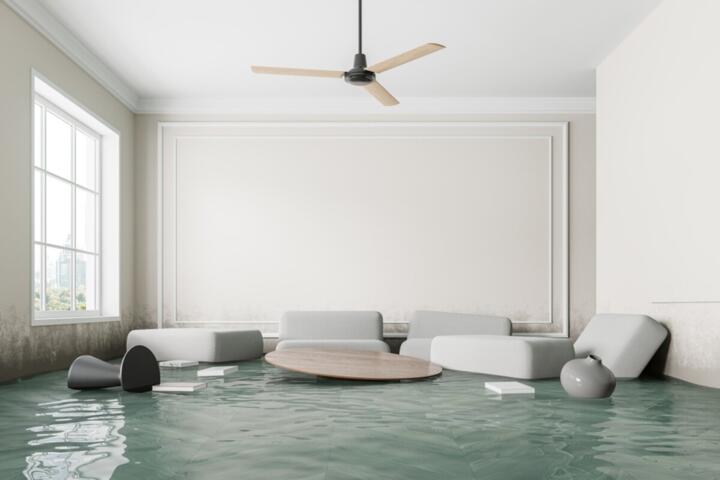
Apartment Flood Basics
Flooding in an apartment can start from several sources—burst pipes, overflowing toilets, or even rainwater seeping in through windows. Last year, the U.S. Fire Administration reported that about 85,000 household floods cause billions in damage annually. The faster you respond, the less damage you suffer.
Imagine waking at 3 a.m. to water pooling near your bedroom door. You don’t want to waste time wondering what to do first. This scenario demands quick, deliberate actions that most tenants never rehearse.
Calling the landlord is vital, but it’s not the instant fix most expect. Getting control over the flooding yourself often limits further harm before professional help arrives. Missing this window doubles cleanup and repair time.
Common Pitfalls
Many renters wait too long to act, assuming maintenance will handle everything. Some don’t shut off water at the main valve, extending damage for hours. In one case, my friend let water pool overnight, only to face $12,000 in renovations.
Failing to document conditions hurts insurance claims later. Tenants often forget to take detailed photos or videos immediately, losing proof of pre-existing damage. Also, some try DIY fixes like plungers for pipe bursts, which might worsen leaks.
Ignoring electrical hazards during flooding remains a dangerous mistake. Water and electricity together risk serious injury or fire. That’s a no-go.
Effective Flood Response Steps
Shutting off the water source
Turn off your apartment's main water supply to stop further flooding. This is usually near the front door or under the sink. Why? Stopping water flow halts damage progression—simple math but easily overlooked, like the old shutoff valve under my sink that jammed on me one time, adding chaos.
Cutting electricity safely
Immediately switch off power to affected areas at the breaker box. Water and live wires don’t mix. Call an electrician if unsure. This basic safety rule prevents shocks or fires during flooding emergencies, something I learned in the safest way: a scary small zap.
Removing valuables and electronics
Grab laptops, phones, and irreplaceable items fast. Place them on higher shelves or out of the water’s reach. A solid plastic bin from IKEA held my wife's jewelry during a flood in 2022. It’s a minor step with major peace of mind.
Documenting the damage
Take photos and video right after stopping the water. Capture water depth with a ruler or household item for scale. Timestamped phone photos build a solid record for insurance or landlord disputes. Don’t wait until later; timing matters.
Starting emergency drying
Use towels, mops, or even a wet/dry shop vacuum if you own one. Renters often underestimate drying speed on carpets and underflooring—moisture breeds mold quickly, often overnight. Fans, dehumidifiers rented from Home Depot, work wonders. Salvaging floors depends on early action.
Calling plumbers or emergency services
After initial containment, call a licensed plumber or emergency water removal service. Some, like Roto-Rooter, offer 24/7 flood response in many cities. Having these contacts saved beforehand cuts time and stress drastically.
Contacting the landlord thoughtfully
When calling your landlord, be factual and calm. Explain what happened, actions taken, and potential ongoing risks. Offer to send photo evidence. This detailed approach helps get faster repairs and improves communication.
Reviewing renters insurance
Check your policy for water damage coverage—many exclude flooding from external sources, but some cover internal leaks. Knowing your coverage ahead means faster claims. I once had a claim denied for surface water but covered burst pipe damage.
Protecting from mold risks
Keep the area ventilated and dry. Mold can start growing in less than 48 hours, raising health dangers and repair costs. Mold-resistant sprays or cleaners from brands like Concrobium reduce risks.
Apartment Flood Stories
A Chicago tenant faced flooding from a frozen pipe in February 2023. After turning off the water and snapping detailed photos, she used a rented dehumidifier and fans. Roto-Rooter fixed the pipe within 48 hours. Damage stayed under $2000, far below typical costs.
Another case: a New York renter delayed turning off water after the ceiling burst. By the time the landlord was called, water ruined flooring and drywall. Cleanup took weeks, costing over $15,000 and displacing the tenant for 10 days. Proactive steps matter.
Flood Response Checklist
| Step | Action | Tools | Outcome |
|---|---|---|---|
| 1 | Turn off water supply | Main valve | Stops flooding |
| 2 | Switch off breakers | Breaker box | Prevents shocks |
| 3 | Move valuables | Bins, shelves | Protects items |
| 4 | Document damage | Camera, phone | Proof for claims |
| 5 | Dry affected areas | Fans, vacuums | Prevents mold |
| 6 | Call plumber/pros | Plumber services | Fix source fast |
| 7 | Notify landlord | Phone, email | Triggers repairs |
| 8 | Check insurance | Policy documents | Speed claims up |
| 9 | Ventilate area | Windows, fans | Stops mold growth |
Errors and How to Fix
Ignoring water shutoff is the biggest mistake. Waiting even 30 minutes can lead to a flood spreading two rooms wide. Tenants often assume maintenance will handle things faster, but they rarely arrive immediately. I’ve seen landlords take 4 hours or more.
Overdrying isn't left out. Using too powerful heat sources can warp floors or walls. Avoid space heaters directly on wet flooring—they can cause cracking. Use fans and dehumidifiers instead.
Many forget to remove electronics or valuables right away. That’s why a bag with your phone charger and a flashlight next to your bed can save headaches. A minor inconvenience, but life-saving when the leak begins at midnight.
FAQ
Who is liable for flood damage?
Liability depends on lease terms and cause of flooding. Pipes freezing due to poor building maintenance often means landlord pays; however, tenant negligence may shift responsibility.
Should I call emergency services for flooding?
Only if flooding risks electrical hazards, structural damage, or uncontrollable leaks. Otherwise, plumbing professionals or building maintenance handle it.
How fast does mold grow after flooding?
Mold can start within 24 to 48 hours in moist, warm conditions. Early drying is key to stopping infestation.
Can renters insurance cover flooding?
Most policies exclude external floods but cover internal pipe bursts or accidental water damage. Verify specifics before an incident.
What tools help with emergency drying?
Wet/dry vacuums, box fans, and dehumidifiers are most effective. Fans alone may take days; dehumidifiers speed removal significantly.
Author's Insight
I’ve dealt with apartment floods twice, and rushing to stop the water always saves thousands in repair costs. I often tell friends to locate their main water shutoff immediately—it’s the single best step you can take. Taking photos in the first minutes feels tedious, but that evidence protects you later. Don’t trust the landlord alone; act first, then communicate.
What to Remember
Stop the water. Cut power. Protect valuables. Document damage quickly. Use drying tools, and contact professionals swiftly. Notify the landlord with clear evidence. Review your insurance early to avoid surprises. Acting decisively saves money, health risks, and stress in apartment flooding emergencies.