Learning Power Outages
Power outages aren't just momentary annoyances. In the US, the average consumer experiences nearly 8 hours of outages per year, often triggered by storms, grid failures, or maintenance. A recent 2023 report from the U.S. Department of Energy showed that weather causes 70% of those outages. Having a plan is not about guessing but adapting to known risks, like winter storms disrupting power for days or summer heat waves plunging neighborhoods into darkness.
For example, in February 2021, Texas experienced blackouts lasting up to four days in places, leaving millions without heating. That length highlights why quick fixes won't suffice—preparation needs careful thought and appropriate resources. Knowing outage triggers and timing improves readiness drastically.
People often overlook that outages can affect water supply, heating, internet, and even food safety. Cold food spoils in hours without power. Network routers die within minutes, cutting off communications. This domino effect proves how intertwined modern life is with reliable electricity.
Prepare smartly. You can reduce risks by understanding how outages unfold in local contexts.
Where Preparation Fails
Many assume a flashlight and some bottled water suffice, but such minimal setups don’t last long. Typical flashlights run on standard batteries that deplete in days. Bottled water supply rarely considers household needs, such as for pets or sanitation. Lack of awareness about backup power options leaves homeowners stranded.
People also underestimate outage duration. The average American prep kit lasts 24-48 hours, but utility restorations often exceed that. According to the National Renewable Energy Laboratory, grid repairs after severe storms can take 72 hours or more for some regions.
The absence of a communication plan causes isolation. Families forget to designate contact points outside the affected area. Phones drain batteries quickly without chargers. Additionally, many neglect the need to protect sensitive electronics from surges when power returns.
Consider these oversights carefully. Power outages aren't short interruptions; they ripple through daily life in surprising and frustrating ways.
Practical Ways to Prepare
Backup Generators
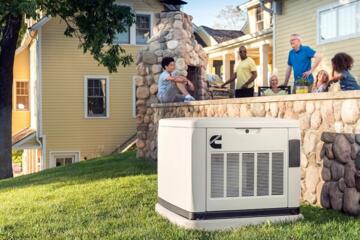
A portable generator is a game of long endurance. Choose models with at least 5000 watts output to power essentials such as a refrigerator and small heater. Brands like Honda EU7000i produce reliable runs lasting up to 10 hours on a single tank. Always run generators outside to prevent carbon monoxide buildup, and test them monthly.
Battery Storage Systems
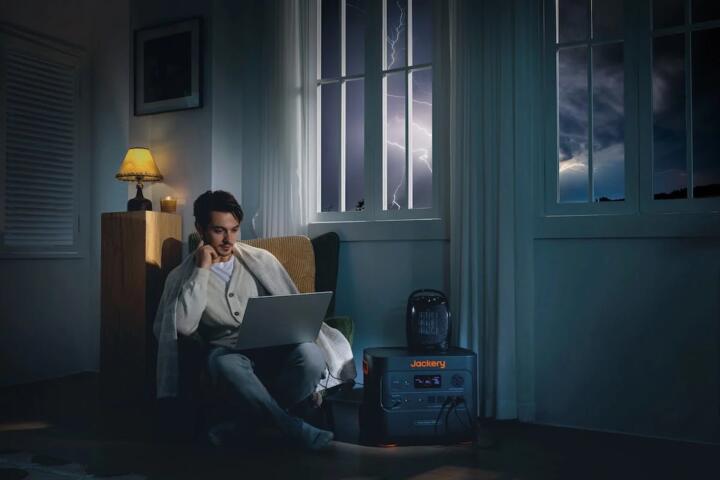
Home batteries like Tesla Powerwall hold around 13.5 kWh of energy, enough to run most homes for a day or two. These recharge from solar panels or the grid when available. They require upfront investment—typically over $10,000 installed—but reduce noise and emissions compared to generators.
Food and Water Stockpiling
Maintain at least a two-week supply of shelf-stable foods: canned beans, rice, peanut butter, and powders with long shelf lives. Store 1 gallon of water per person per day for drinking and hygiene. Rotate supplies quarterly to avoid spoilage. Use airtight, BPA-free containers to prevent contamination and pest intrusion.
Surge Protectors and Power Strips
Protect appliances by connecting them to surge protectors rated above 2000 joules. When power returns, surges often fry valuable electronics. They rarely warn first, which frustrates many users. For whole-house surge protection, consider electrician-installed devices tied to your main breaker box.
Communication Strategies
Keep a battery-powered or hand-crank radio like the Kaito KA500 for news updates. Set portable chargers with at least 20,000 mAh capacity for phones. Consider low-tech options: writing contacts on paper or using walkie-talkies for short-range lines during cellular tower outages.
Lighting Solutions
Ditch old incandescent bulbs for rechargeable LED lanterns that last 12-24 hours on low settings. Models with USB ports also double as phone chargers. Small, compact units fit in drawers or emergency kits, perfect for quick grabs.
Heating and Cooling Alternatives
In cold climates, stock thermal blankets and wool clothing. For brief heat waves, battery-powered fans or misting bottles help. Chemical hand warmers can sustain body temperature for hours without electricity. Space heaters relying on power without backup are useless—they need alternatives.
Preserving Food Without Power
Consider a generator-dedicated freezer or cooler pack setups. Wet towels over open refrigerators slow warming. Dry ice lasts 18-24 hours but requires gloves when handling. The U.S. FDA suggests discarding perishable foods exposed over 40°F for more than two hours, so monitor temps carefully.
Insurance and Documentation
Take photos of property, receipts, and vital documents stored in waterproof bags. Some insurance covers food spoilage, but only if documented correctly. Keep digital backups offline on external drives.
Real-Life Examples
Consider a small bakery in Kansas hit by the 2023 spring storm that shut off electricity for 48 hours. Without backup power, they lost $7,000 in spoiled ingredients and customer orders. They invested in a generator running on propane, reducing future losses by nearly 90% during an outage last December.
A suburban family in Florida faced Hurricane Ian and lost power for 72 hours. Equipped with a Tesla Powerwall and solar panels installed three years prior, they maintained refrigerator use and essential devices. Food waste dropped from an expected $300 to under $50, indicating the payoff of costly prep in real numbers.
Checklist for Readiness
| Item | Quantity | Duration | Notes |
|---|---|---|---|
| Water | 1 gal/person/day | 14 days | BPA-free containers |
| Non-perishable Food | Sufficient for 14 days | Rotate quarterly | Check expiration |
| Generator | 1 unit | 10+ hours runtime | Test monthly |
| Surge Protector | At least 2 | N/A | 2000+ joule rating |
| Chargers | 2 portable | Multiple charges | 20,000 mAh min |
Preparation Mistakes
Waiting until the storm warning arrives usually means stores are empty. Stock early to avoid shortages and inflated prices. Many buy batteries but forget to check if their devices fit those batteries, ending with unusable gear.
Trusting smartphones as sole communication tools fails without power banks or alternative signals. Dead phones or overloaded cell towers cause isolation. That wireless dead zone can be surprisingly complete.
Failing to test generators or storage systems regularly leads to non-working equipment during outage. One must start them quarterly. Oil changes on gas-powered units remain a forgotten chore for most.
Not planning for children or pets creates additional risk. They have specific needs that general kits don’t cover. Special formula, medications, or chew toys make a difference.
FAQ
How long can food stay safe without power?
Perishables remain safe up to 4 hours if the fridge or freezer doors stay closed. Beyond that, food temperature rises above 40°F, increasing bacteria risk. Discard anything exposed more than 2 hours at unsafe temperatures.
What fuels are best for generators?
Propane and natural gas are cleaner and store longer than gasoline. Gasoline deteriorates in months, requiring additives. Diesel is dense but can gel in cold. Pick the fuel based on local availability and storage capabilities.
Can solar panels work during outages?
Without battery storage, most solar setups shut off to prevent backfeeding. Grid-tied inverters must detect power presence to operate. Hybrid systems with batteries provide backup power during outages.
How often should I replace batteries?
Check batteries every 3-6 months, replacing alkalines beyond two years. Rechargeable batteries have a shorter lifespan and need cycle tracking. Storing batteries in cool, dry places extends life.
Is it safe to run a generator indoors?
Never use generators indoors or in enclosed spaces due to deadly carbon monoxide. Generators belong outdoors, in well-ventilated areas, and away from windows or vents.
Author's Insight
After living through multiple outages myself, I prioritize practical over fancy solutions. For instance, the first generation Honda EU6500is I bought in 2017 outperformed every cheaper unit around for noise and reliability. Yet, my Tampa household relies on solar plus a smaller generator because fuel storage is tricky here—hurricanes challenge everything.
Preparation evolves over time; what worked five years ago may no longer fit. Testing equipment in non-stress moments often feels tedious but saves real stress later. Little details—like a decent folding knife or a battery-powered fan—matter more than you expect.
Key Takeaways
Power outages disrupt comfort, safety, and daily routines far beyond the initial blackout. Focusing on specific needs—backup power, communication, food preservation—yields tangible protection. Start early, test often, and adapt plans based on experience. The right tools and strategies reduce uncertainty, prevent losses, and keep homes running through dark times.