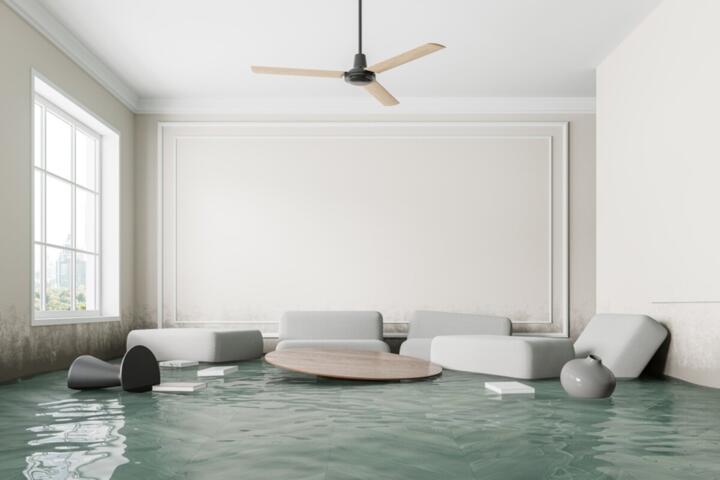
Home Flood Shutoff Basics
A home flood usually starts with a water source you can stop: a main water valve, a branch shutoff, or a specific appliance line. Electrical shutoff addresses a different hazard: energized outlets, appliances, and wiring that may be in contact with water. These two actions overlap during emergencies, but they solve different problems, so the order matters.
In a burst-pipe scenario, water keeps rising until the supply is stopped, even if you unplug devices. In a storm or sewer-backup scenario, water may already be present before you can reach valves, and the electrical risk becomes the first barrier to safe action. If you have a basement, garage, or utility room, you often have both hazards in the same space, which is why planning beats improvising.
Many homes have a main shutoff near the water meter, plus smaller valves under sinks or behind toilets. Electrical shutoff usually means the main breaker panel, a subpanel, or a dedicated breaker for a wet-area circuit. A practical aside: if your panel label set is messy, take a photo of the breaker map before an emergency; version 1.0 of that habit saves time later.
Common Mistakes And Dependencies
People often treat “unplugging” as a complete electrical solution. Unplugging helps when the plug is dry and reachable, but it does not remove power from outlets upstream, hardwired appliances, or wiring inside walls. Water can also travel along surfaces and into junctions, so a device being unplugged does not guarantee the circuit is safe.
Another frequent mistake is rushing to the main water valve while standing in water or reaching through wet areas. Water and electricity risks stack quickly when you cross from a dry path into a flooded utility room. If the floor is wet near the electrical panel or if you see sparking, buzzing, or burning smells, you treat the area as energized and back away.
Shutoff decisions depend on supporting systems: the location of the main valve, the type of electrical service, and how water is entering. A typical dependency chain looks like this: water source → valve access → water level rise → contact with outlets/circuits → safe reachability of shutoffs. If any link fails, the plan changes.
Some homes have smart water shutoff valves that can close automatically when a leak sensor triggers. Those systems still rely on power and network connectivity, and they may not trigger if the sensor is placed too far from the leak. A mild frustration: many sensor kits ship with “quick start” steps that assume the leak is obvious and the sensor is already installed.
Water Shutoff Steps That Reduce Risk
Stop The Source First
When you can reach the water shutoff without stepping into water or crossing wet electrical areas, closing the valve is the fastest way to stop the flood. Start with the most local valve you can access safely: a shutoff under a sink, behind a toilet, or the valve for a washing machine. If those are unavailable or already inaccessible, move to the branch shutoff or the main valve near the meter.
Use a firm, controlled turn. Many valves are quarter-turn ball valves; others are older gate valves that require multiple turns. If a valve is stuck, forcing it can damage the stem and worsen leakage. If you cannot close it safely, shift focus to electrical risk and call for help.
After water stops, do not assume the hazard ends. Residual water in walls and under floors can keep circuits wet. Drying and inspection still matter, and the next steps depend on how far water traveled.
Choose The Safe Order
Use a simple rule: if you can stop water without entering a wet electrical zone, stop water first. If the water is already in contact with outlets, power strips, appliances, or the electrical panel area, treat electrical safety as the gating factor. In that case, you prioritize power removal before you touch anything that could be energized.
“Wet electrical zone” means more than visible water. Condensation, damp baseboards, and puddles near receptacles can still create risk. If you see water near the panel door, if the panel is in a basement that is flooding, or if you must step through standing water to reach a valve, you do not treat the water shutoff as the first action.
When you do shut off power, you still need to stop the water source to prevent ongoing damage. The order becomes: make the area safe, then stop the water, then start drying and documentation.
Electrical Shutoff For Wet Areas
Electrical shutoff typically means turning off the main breaker or the breaker feeding the affected circuits. If you can reach the panel without standing in water and without touching wet surfaces, switch off the relevant breaker(s). If the panel is in a flooded area or you cannot reach it safely, do not attempt it.
Unplugging can be part of the process when the plug and cord are dry and accessible. If the plug is wet, if the outlet shows discoloration, or if water is flowing around the cord, unplugging is not the right move. A small aside from common field guidance: many homeowners keep a non-contact voltage tester, but those tools do not replace safe shutoff and inspection.
After power is off, avoid turning it back on until the area is dry and electrical systems have been checked. Turning power back on early can energize wet wiring and cause shock or fire.
After Shutoff: Drying And Documentation
Once water and power hazards are addressed, document conditions for insurance and for repair contractors. Take photos of the water level, affected appliances, and the location of shutoffs. Note the approximate time the leak started and when each shutoff occurred; timestamps from your phone often help.
Drying should start quickly but safely. Use fans and dehumidifiers when power is restored only after electrical clearance. If you have a gas water heater or furnace in the affected area, do not assume it is safe to operate; follow manufacturer instructions and consider a licensed technician’s inspection.
For porous materials like drywall, carpet padding, and insulation, water exposure time affects mold risk. The exact threshold varies by temperature and humidity, so treat “soaked for hours” as a reason to remove affected materials or have them assessed.
Case Examples For Real Homes
Kitchen Sink Supply Leak
A renter notices water pooling under the kitchen sink and sees water reaching the outlet strip on the counter. The renter turns off the breaker labeled for the kitchen before touching anything near the outlet. Then they close the under-sink shutoff valve and stop the source. After power is off and water stops, they unplug the dishwasher only after confirming the plug area is dry, then they document the damage and contact a plumber.
The key detail is reachability. The renter avoided stepping into the wet area to reach the main valve, even though the main valve was closer. That choice reduced the chance of contacting energized surfaces.
Basement Pipe Burst
A homeowner hears a loud pipe noise at night and finds the basement floor wet within minutes. The electrical panel is located in the basement, and the water is rising toward the panel. The homeowner does not attempt to reach the panel while standing in water. Instead, they shut off the water supply as soon as they can access the main valve from a dry path, then they call for electrical assistance to confirm safe power status and to inspect circuits.
This scenario shows why “water shutoff” can still be the first action when it is reachable safely. It also shows the limit: even after water stops, the electrical system needs verification before power returns.
Water Vs Electrical Shutoff Checklist
| Decision Point | Water Shutoff | Electrical Shutoff | What To Do Next |
|---|---|---|---|
| Water is present near outlets or panel | Only if you can reach valves from a dry path | Turn off relevant breaker(s) or main if reachable safely | Avoid touching wet surfaces; call help if panel access is unsafe |
| Water source is active (burst pipe, running supply) | Close local valve first, then branch/main | Unplug only dry, reachable devices; otherwise shut off power | Stop the rise, then document and dry |
| Standing water blocks access | Do not step into water to reach valves | Do not open panel if it is in the flooded area | Call for emergency assistance; keep people away |
| After shutoff | Confirm no ongoing leak | Do not re-energize until dry and inspected | Use photos, timestamps, and moisture assessment |
Step-by-step checklist you can print: (1) Keep people away from wet areas. (2) Identify whether the electrical panel or outlets are in the wet zone. (3) If valves are reachable from a dry path, close the nearest valve that stops the source. (4) If outlets/panel are at risk, switch off the breaker(s) you can reach safely. (5) After both hazards are controlled, document, dry, and arrange inspection for electrical and damaged materials.
Common Mistakes That Undermine Safety
People sometimes shut off only the water and then return power too early. A circuit can remain energized through wet wiring even after the leak stops, and drying can take longer than expected. Treat “water stopped” as a partial win, not a clearance.
Another mistake is turning off the wrong breaker. Breaker labels can be outdated, and some circuits share a breaker across multiple rooms. If you shut off power for the wrong area, you still leave energized outlets in the wet zone. When labels are unclear, you may need a professional to verify.
Some homeowners use extension cords or portable pumps in flooded areas without checking electrical safety. A pump can become a shock hazard if its cord or plug contacts water. If you need pumping, use equipment rated for wet locations and keep power connections dry, which often means waiting until power is controlled.
Finally, people skip documentation because they feel rushed. Insurance claims often hinge on when the damage occurred and what was affected. A quick photo set and a short written timeline reduce back-and-forth later.
FAQ
Should I Shut Off Water Or Power First?
Stop the water first only when you can reach the valve from a dry path without crossing wet electrical areas. If water is near outlets or the electrical panel, switch off power first when the panel or breaker is reachable safely.
Can I Unplug Appliances During A Flood?
Unplug only if the plug and outlet area are dry and you can reach them without stepping into water. If the outlet or cord is wet, shut off the breaker instead of unplugging.
Where Is The Main Water Shutoff Usually Located?
Many homes place the main valve near the water meter, often outside or in a utility area. Some homes also have a secondary main shutoff inside; check before an emergency.
When Can I Turn Power Back On?
Do not re-energize until the area is dry and electrical systems have been checked. If water reached outlets, wiring, or the panel area, a qualified electrician’s inspection is the safer path.
Do Smart Leak Shutoff Valves Work In Every Flood?
They work when sensors detect the leak and the system has power. They may not trigger if the sensor is too far from the leak, if power is lost, or if water enters before sensors detect it.
Author's Insight
Flood safety depends on physical reachability and electrical hazard control, not on a single universal rule. Water shutoff reduces ongoing damage by stopping the source, while electrical shutoff reduces shock and fire risk by removing power from affected circuits. Real-world outcomes often hinge on whether the electrical panel and valves are reachable without stepping into wet areas. A practical approach is to map your main valve and breaker locations, test that you can reach them safely, and plan for the case where one access route becomes unsafe.
Key Takeaways
- Water shutoff stops the source; electrical shutoff reduces shock risk; each addresses a different hazard.
- Reachability from a dry path drives the order of actions during a flood.
- Unplugging helps only when plugs and outlets stay dry; wet outlets require breaker shutoff.
- Do not restore power until the area is dry and electrical systems are verified.
- Document the timeline and affected areas to support repairs and insurance claims.