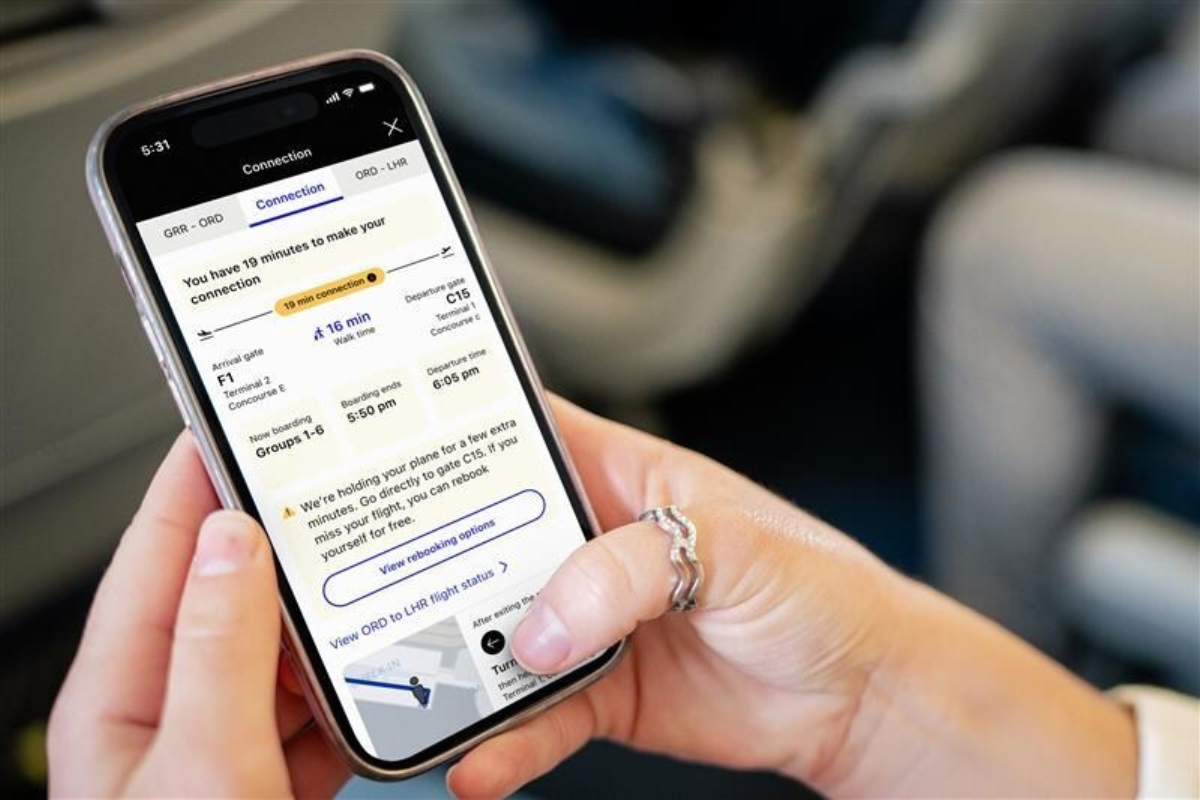
Missed Connections By Ticket
A missed connection happens when you arrive too late for the next flight in the same itinerary. Rebooking rules depend less on the word “missed” and more on how your ticket is constructed: a single ticket with one itinerary, a codeshare arrangement, or separate tickets booked for different legs. The airline’s obligations also vary by fare conditions, departure location, and whether the carrier controls both flights.
Example: you book Flight A and Flight B together on one reservation, then Flight A lands late. Many carriers treat Flight B as part of the same contract of carriage, so they can rebook you without charging a new fare, subject to availability and fare rules. Example: you book Flight A with one airline and Flight B with another, then Flight A delays you. In that case, the second airline often treats Flight B as a separate contract, and rebooking may come with a fare difference or a change fee.
One practical detail: the ticket number and itinerary structure show up in your confirmation email and in the airline app. If you see one “itinerary” with multiple flight numbers under a single booking reference, you’re usually closer to the “single ticket” rules. If you see two separate confirmations with different booking references, you’re usually in the “separate tickets” world, even if the airports and times look similar.
Where Travelers Get Stuck
People often assume that “missed connection” automatically triggers the same rebooking outcome for every ticket. That assumption breaks when the airline’s contract treats the missed segment as forfeited because the ticket was not issued as one continuous itinerary.
Another common mistake is asking for rebooking without giving staff the information they need to match your case to the correct policy. Staff typically look for the original itinerary, the reason for the delay, and whether the missed flight was marketed and operated under the same ticket. If you arrive at the desk without your booking reference, flight numbers, and the boarding pass for the first segment, the conversation can turn into a slower back-and-forth that rarely ends in a better outcome.
Supporting systems matter too. Airlines rely on reservation systems (for example, Amadeus, Sabre, or Travelport) and operational control tools that record delay reasons and connection windows. When the first flight’s delay reason is logged as “late inbound” or “operational,” rebooking is more likely to be treated as within the airline’s control. When the delay reason is logged as “passenger missed the flight” or “weather at departure,” the airline may still rebook you, but the fee waiver and priority can differ. I’ve seen this play out in practice with a simple mismatch: the app shows “delayed,” but the internal reason code used by the desk agent tells a different story.
Codeshare adds another dependency. A codeshare flight number can look like “your airline,” but the operating carrier may be different. Rebooking outcomes can change depending on whether the ticket is issued by the marketing carrier and whether the operating carrier honors the same conditions for that fare family.
How To Rebook By Fare
Check Your Ticket Type First
Start by identifying whether you have one ticket for the whole itinerary or separate tickets for each leg. Look for one ticket number covering both segments, or for two separate ticket numbers and two separate confirmations. Then check the fare rules for changes and refunds, which are usually summarized in the “fare conditions” link in the booking email or in the airline account.
If your itinerary is on one ticket, ask for rebooking on the next available flight that reaches your destination. If your itinerary is on separate tickets, ask whether the second airline will rebook as a courtesy and what it will cost. A realistic outcome: courtesy rebooking may still require paying a fare difference, especially if the fare class you originally bought is no longer available.
Small aside: in one airline app version I used recently (v6.2.1), the “Manage Booking” screen showed a single itinerary even when the flights were marketed by different brands. That visual cue helped confirm it was one ticket, not two.
Use the Right Ask Script
When you reach the desk or chat agent, request the specific action tied to your ticket structure. For a single ticket, say you missed the connection due to the delay of the first segment and ask for rebooking under the same itinerary. For separate tickets, say you missed the second flight due to the first flight’s delay and ask what change options apply to your fare.
Bring evidence that the first flight was delayed and that you were on the itinerary. Boarding passes, the airline app delay notification, and the arrival time stamp help. If you have a screenshot of the delay reason shown in the app, it can reduce friction, even though the desk agent may still rely on internal reason codes.
Try to ask for rebooking before you leave the airport, because once you miss the segment, some systems mark the remaining segments as “no-show” or “forfeit” depending on fare rules. That marking can happen quickly; I’ve seen it occur within minutes of the scheduled departure time.
Know the Likely Fee Outcomes
Fee outcomes depend on whether your fare is refundable, changeable, or non-changeable, and on whether the airline treats the missed connection as within its control. Many carriers waive change fees for missed connections on a single ticket when the first segment is delayed by the airline or its partners. They may still charge a fare difference if the new flight costs more.
For separate tickets, the second airline often treats you as a no-show for that specific flight. Some airlines offer a paid standby or a paid change option, and some will rebook with a fee waiver only in limited circumstances. If you’re traveling internationally, consumer protections can apply, but they vary by country and by whether the airline is responsible for the delay.
Numbers you can use to plan: if a fare difference is required, it often equals the difference between the original fare class and the cheapest available fare class at the time of rebooking. Change fees, when charged, are commonly a fixed amount plus any fare difference, but the exact amounts vary by airline and route.
Document and Escalate When Needed
If the desk refuses rebooking on a single ticket, ask for the policy reference tied to your fare and itinerary. Request a written explanation in the form of an email or a case number. Then escalate through the airline’s customer relations channel with a short timeline: scheduled departure and arrival of Flight A, actual arrival time, scheduled departure of Flight B, and the moment you requested rebooking.
Keep the timeline factual and attach screenshots or PDFs of your itinerary and delay notifications. If you’re in the European Union, UK, or another region with delay compensation rules, you can also ask whether your situation qualifies for compensation. Compensation rules depend on delay cause and jurisdiction, so avoid guessing; use the airline’s published policy and the relevant regulation text.
Incidental detail: a simple spreadsheet with columns for “time,” “event,” and “evidence file name” makes escalation emails easier to read. Agents respond faster when the case is already organized.
Case Examples With Real Constraints
Single Ticket, Airline Delay
Scenario: A traveler books one itinerary from City A to City C with a connection in City B. Flight A arrives 75 minutes late due to an operational issue logged by the airline. The traveler misses Flight B’s departure and goes to the transfer desk within 20 minutes of the missed departure. The airline rebooks the traveler on the next available Flight B under the same ticket, with no change fee, but the new flight has a higher fare class, so a fare difference is charged.
What to learn: the airline’s obligation is tied to the single ticket contract and the delay cause. Even when rebooking is granted, fare difference charges can still apply if the fare conditions allow it.
Separate Tickets, No Contract Link
Scenario: A traveler books City A to City B on one airline and City B to City C on a different airline, each with separate confirmations. Flight A arrives 60 minutes late due to weather. The traveler misses the City B to City C flight and requests rebooking at the second airline’s counter. The second airline treats the missed flight as a no-show and offers rebooking only as a paid change, with a fare difference and a change fee.
What to learn: separate tickets create separate contracts. The second airline may still help, but the policy often shifts from “connection protection” to “standard change rules.”
Checklist For Decision Support
| Situation | What to Check | Likely Rebooking Outcome | What to Ask For |
|---|---|---|---|
| One itinerary, one ticket | Single ticket number covers both legs; fare rules for changes | Rebooking often possible; change fee may be waived; fare difference may still apply | Next available flight on the same itinerary; request policy reference if fees are charged |
| Codeshare on one ticket | Marketing vs operating carrier; ticket issuer; fare family | Rebooking depends on operating carrier acceptance and fare conditions | Confirm which carrier operates the next flight and whether it’s covered under your ticket |
| Separate tickets | Two confirmations and two ticket numbers; change/no-show rules | Rebooking often treated as a paid change; fees and fare difference common | Ask for paid change options and any courtesy exceptions tied to the first flight delay |
| Missed due to passenger action | Delay reason code; whether airline logs it as passenger-caused | Rebooking may be available but fees likely; compensation less likely | Ask what options remain under your fare and request a written explanation |
Step-by-step checklist you can use at the airport:
- Confirm whether you have one ticket or separate tickets by checking ticket numbers in your confirmation email.
- Gather evidence: boarding passes, arrival time for Flight A, and the scheduled departure time for Flight B.
- Go to the desk for the carrier that issued your ticket for the missed segment, or the operating carrier if the ticket is clear.
- Ask for rebooking on the next available flight that reaches your destination under the same itinerary, if your ticket is one itinerary.
- If fees are requested, ask whether the fee is a change fee, a fare difference, or both, and request the policy reference.
- Get a case number or email confirmation of what was offered and what was refused.
Common Mistakes To Avoid
One mistake is treating “missed connection” as a universal category. Airlines classify cases by ticket structure and by delay reason codes, so the same outcome worded differently can lead to different fees.
Another mistake is waiting until the next day to request rebooking. Some systems close rebooking windows quickly, and the airline may treat the missed segment as forfeited under the fare rules. If you need a later flight, ask for the earliest rebooking first, then adjust if needed.
People also over-share speculation. Saying “I think the airline caused it” rarely helps. Stick to observable facts: scheduled times, actual arrival times, and the delay message you received.
Finally, avoid promotional claims in your escalation. Requests that sound like “you must refund everything” can trigger a defensive response. A more effective tone is: “Here is the itinerary, here is the timeline, here is what I requested, and here is the fee I was charged.”
FAQ
Do I get rebooked if I miss a connection?
Rebooking depends on ticket structure and fare rules. A single itinerary on one ticket often gets more connection protection than separate tickets, but fare differences and availability can still apply.
What if my flights are codeshares?
Codeshare marketing numbers can mask the operating carrier. Rebooking outcomes depend on the operating carrier’s acceptance and the fare conditions tied to your ticket issuer.
Will I pay a fee for a missed connection?
Change fees and fare differences vary by airline and fare family. For single-ticket itineraries, change fees may be waived for airline-caused delays, while fare differences can still be charged.
Can I rebook myself online after missing the flight?
Sometimes, but many bookings mark missed segments as no-show and restrict online changes. If online options fail, desk or chat support usually has more control over rebooking.
How do I prove the first flight caused the miss?
Use your itinerary, boarding passes, and delay notifications showing actual arrival times. If available, include screenshots of delay messages and any case number from the airline.
Author's Insight
Rebooking rules for missed connections hinge on contract structure: one ticket covering the itinerary versus separate tickets with separate contracts. Airlines also rely on internal delay reason codes recorded by operational systems, so the same delay label in an app may not match the desk’s internal classification. Because policies vary by carrier, fare family, and jurisdiction, the most reliable approach is to verify ticket numbers, then request rebooking tied to the specific itinerary and ask for the policy basis when fees appear. A short, factual timeline with evidence usually improves the odds of a correct resolution.
Key Takeaways
- Identify whether you have one ticket for the whole itinerary or separate tickets before you ask for rebooking.
- Bring evidence of the first flight’s delay and request the next available flight under the same itinerary when your ticket covers both legs.
- Expect that change fees and fare differences can differ by ticket type and fare rules, even when rebooking is granted.
- Get a case number or written confirmation, then escalate with a factual timeline if the desk refuses the option you requested.