Learning Missed Connections
Missed connecting flights happen more often than you think. In 2019, the U.S. Department of Transportation reported over 25% of flight delays impacted connections. Imagine landing late in Chicago and your next flight leaves from a different terminal in just 45 minutes. The clock tightens the moment your first plane touches down.
Sometimes storms or air traffic cause delays. Other times, a slow security line holds you back. These tangible causes are frustrating but fixable. Knowing what to do immediately after missing the flight can turn chaos into a manageable situation.
Most travelers feel lost after a missed connection. That’s normal. But the difference emerges in the next five minutes, not hours. This article shares direct, tested tactics for that critical period.
Issues Travelers Face
Assuming airlines will rebook automatically causes delays. Many believe their original ticket guarantees a smooth transfer. It doesn’t. Airlines often assign no standby seat without intervention.
Some miss connections due to lax timing: flights booked too close with packed terminals. For example, a 30-minute layover at ATL airport is a gamble, not a plan.
Travelers sometimes ignore signage or fail to verify terminals and gates. That adds needless running and stress. A misread on the board can cost an extra hour.
If the alternative flights run out or the agent is busy, panic sets in. Costs increase if you buy a new ticket last-minute at the airport.
Practical Fixes for Your Delay
Contact Airline Immediately
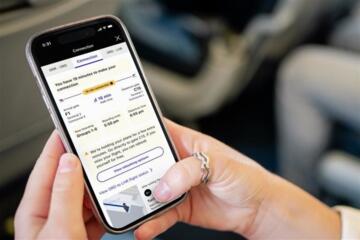
Call or use the airline’s mobile app first. Some, like Delta and United, allow instant rebooking on the app—faster than waiting at the counter. Rebooking over phone often bubbles your request to priority if you’re polite but persistent.
Speaking your confirmation code speeds help. Agents use specific systems that pop up your booking instantly. Without this, they waste time searching.
Visit the Airline Desk ASAP
If the call or app doesn’t work, go to the airline ticket desk. Choose this if you’re at a hub like JFK or ORD where multiple flights operate. Sometimes face-to-face negotiation unlocks hidden seats. That said, queues can take 20 minutes or more on busy days. Check for express counters if eligible.
Use Airline Rebooking Tools
Most major airlines provide self-service kiosks, such as American Airlines’ kiosks updated in 2023. They allow rebooking and printing new boarding passes without agent wait. These tools often surface seat availability faster than agents can.
Understand Your Ticket Type
Flexible tickets grant more options. Basic economy fares often chain you to less flexible policies that limit free changes.
Travelers using codeshare partners need to contact the first carrier directly—they handle the rebook.
Book Later Flights or Alternate Airports
Check flights departing within 6-12 hours instead of just the next direct connection. In big metro areas, flights from nearby airports (e.g., LAX vs. BUR) might save hours.
Keep Track of Your Luggage
Ask if checked bags will transfer automatically. Some airlines hold baggage if the connection is missed, requiring a reroute or pickup. Knowing this saves another trip or call later.
Consider Compensation or Assistance
Under U.S. Department of Transportation rules, airlines owe little for missed connections unless they caused delays. However, some carriers might offer meal vouchers or hotel stays in irregular operations. Don’t expect, but do inquire.
Use Airport Lounges
If you have lounge access, use it to expedite calls or rebooking via the desk there. Lounge staffs often have faster communication lines with operations.
Stay Calm and Set Priorities
Freeze stress aside for a moment. Phone first, then app, then desk. Time lost equals missed chances. Focus on the earliest reschedule.
Real-Life Fixes and Lessons
A mid-level tech consultant missed a connecting flight at Denver during a snow delay in January 2024. She immediately used United’s app to rebook onto a flight 3 hours later. Then texted work on arrival time changes—avoided a week of lost productivity.
Another traveler, buying a cheap two-leg ticket via different airlines, missed his connection in Atlanta last October. No shared systems meant manual booking was needed. At the counter, he secured a standby seat on a later flight, saving $450 vs. buying new online tickets.
Checklist for Quick Recovery
| Step | Action | Tool or Location | Expected Outcome |
|---|---|---|---|
| 1 | Call airline or use app | Mobile app or phone | Fast rebooking options |
| 2 | Visit ticket desk | Airport terminal counter | In-person help, standby seats |
| 3 | Use self-service kiosk | Airline kiosks | Quick pass reprint & rebook |
| 4 | Verify bag transfer | Check with airline staff | Avoid lost luggage issues |
| 5 | Check alternate airports | Flight booking apps | More flight options |
| 6 | Ask about compensation | Customer service | Possible vouchers or help |
Missteps to Watch For
Relying solely on automatic updates wastes precious time. The airline systems often fail to confirm your rebooking without personal action. Waiting too long at the airport gate after a missed flight leaves fewer options.
Buying last-minute tickets without checking rebooking policies can double expenses. Also, missing to check alternate nearby airports — especially in metro areas with multiple hubs — eliminates quick fixes.
Ignoring luggage transfer policies leads to stranded baggage or extra airport runs. Double-check your bag status immediately to avoid this.
FAQ
Can airlines refund missed connections?
Refunds depend on the airline and ticket type. Usually, delays not caused by the airline don't qualify. Some flexible fares might allow partial refunds or credits.
What if I booked separate tickets?
Separate tickets offer no protection. You must rebook independently and manage new tickets or baggage. They increase risk and costs if a connection fails.
How long should layovers be?
At least 90 minutes for domestic, 2 hours international. Busiest airports may require longer. Short layovers—under one hour—increase missed connection risks drastically.
Do apps always show rebooking options?
Top airline apps show options most times but sometimes need manual intervention. Apps like Delta’s got a 4.7 rating, but glitches happen—especially during disruptions.
Is travel insurance helpful?
Travel insurance can reimburse costs from missed flights if caused by delays covered in the policy. Not all plans include missed connection benefits, so check terms carefully.
Author's Insight
I have missed a connection twice due to weather delays and learned to act swiftly through apps and airline calls. The best trick? Keep your airline app open and run those rebooking tools the second you sense trouble. Patience only gets tested, not rewarded—better to push firmly but politely. Also, knowing your ticket terms ahead saves major headaches at airport counters.
What to Remember
Missed connections trigger stress but act fast: call or use your airline’s app immediately, follow up with the counter if needed. Check baggage transfer and consider alternate airports for later flights. Avoid common pitfalls like relying on automatic rebookings and short transfer windows. Being proactive gives you the best chance to fix things quickly, saving money and time.