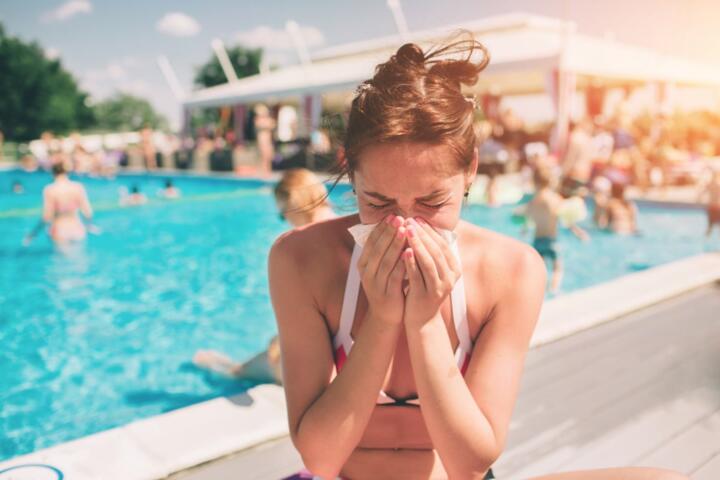
Learning Vacation Illness
Traveling exposes you to new environments, foods, and climates, all potentially affecting your health in unexpected ways. According to the CDC, about 22% of international travelers report some illness during or shortly after their trip, with gastrointestinal issues topping the list. These disruptions happen fast and often hit when you're far from your usual healthcare providers. Imagine waking with severe stomach cramps hours before an outdoor tour or catching a flu in a crowded airport lounge. Those moments demand quick, informed action to avoid long-term setbacks or ruined travel plans.
Seasonal trends apply, too. Every year, flu peaks take hold in the northern hemisphere between December and February, and similar spikes occur in tropical zones during rainy seasons. Such timing can catch travelers off guard—your immune system might be less prepared far from home. A personal anecdote: in January 2023, an acquaintance returned from Southeast Asia with dengue fever, illness I hadn’t expected given the timing. It’s proof that understanding local health risks helps.
Health Crises Pitfalls
Travelers tend to ignore subtle symptoms or avoid seeking help, fearing expense or disruption. That approach backfires quickly, worsening illnesses like food poisoning or respiratory infections. Another mistake is assuming travel insurance covers every situation. Policies vary widely, and emergency evacuation often requires pre-approval. Missing these caveats traps visitors overseas in costly, complicated scenarios.
Infections not managed timely can escalate rapidly. For instance, untreated dehydration from vomiting or diarrhea can cause hospitalization. Allergic reactions are another overlooked risk—especially if you experiment with new foods or environments without prior knowledge of allergens. Clinics abroad may vary in quality, leaving travelers uncertain when to choose local care or return home.
Steps for Safe Trip Recovery
Pre-Trip Prep
Begin with documented vaccinations for your destination’s prevalent diseases, like hepatitis A and typhoid in countries with risky water supplies. Register with your embassy’s travel list. Many governments provide health alerts and emergency guidance, which, bizarrely, most travelers forget to check after booking flights.
Smart Packing
Include a basic medical kit featuring oral rehydration salts, antiseptics, pain relievers (acetaminophen or ibuprofen), antihistamines, and, if prescribed, antibiotics for traveler’s diarrhea. One traveler I know swears by a small pulse oximeter during pandemic trips—it tracks oxygen when respiratory symptoms appear, quite handy and compact.
Identifying Symptoms Early
Fever above 101°F, persistent vomiting for over 24 hours, severe abdominal pain, or neurological symptoms mean immediate attention needed. Recognizing patterns early shortens illnesses. Don’t hesitate to consult local telemedicine options—services like Teladoc or local clinics offering video visits impact outcomes positively.
Hydration and Nutrition
Dehydration complicates most vacation illnesses, yet many travelers underestimate water loss from sweating and diarrhea combined. Electrolyte drinks, not just plain water, restore balance. Eating bland but nutritious food, such as bananas, rice, or boiled potatoes, speeds recovery.
When to Use Local Healthcare
Understanding the quality variance in foreign clinics helps. In Western Europe or Japan, most clinics match U.S. standards; in less developed regions, clinics vary widely. Use reputable hospital affiliations found on expat forums or travel advisory sites. Healthline notes emergency services abroad cost 30% more than local clinics on average, so choose wisely.
Insurance and Documentation
Keep your insurance policy details handy and clarify what treatments they cover. Some companies offer 24/7 helplines for approved provider referrals. A friend needed urgent care in Bali in 2022; their insurer’s hotline arranged transport that saved days of waiting.
Adjusting Plans
Sometimes pushing through only delays full recovery. Early trip changes or cancelations may cut losses. Apps like TripIt track flights and can facilitate refunds when illness hits. It’s money lost up front but better than extended suffering or emergency expenses.
Avoiding Common Illness Traps
Stay wary of tap water for drinking or brushing teeth. Use bottled water certified by NSF or comparable agencies. Fresh fruit juices from street vendors may look tempting but often carry hidden risks. Skip ice in drinks bought off the street; contaminated ice caused many gastrointestinal cases reported by the CDC in 2019.
Mental Health Awareness
Being sick on vacation causes stress and isolation, especially far from home. Keep a communication line open to family or a health counselor. Some teletherapy platforms like BetterHelp offer quick access globally, relieving days of anxiety without waiting for appointments.
Quick Recovery Cases
Example one: An American traveler in Mexico City suffered food poisoning during a festival day in March 2022. She used her travel health insurance’s app to locate an English-speaking clinic open nearby. After receiving IV fluids and antibiotics, she resumed her itinerary within 48 hours, preserving her trip happiness.
Case two: A business executive attending a conference in Dubai caught flu symptoms two days before flying home in November 2023. With temperature rising and cough worsening, she contacted her insurance's telemedicine partner and arranged medication delivery to her hotel. Early action prevented hospitalization and travel disruption.
Health Gear Checklist
| Item | Purpose | Example | Benefit |
|---|---|---|---|
| Oral Rehydration | Restore fluids & electrolytes | Ceralyte 70 | Prevents dehydration |
| Pulse Oximeter | Monitor oxygen levels | MightySat Rx | Detects lung issues early |
| Thermometer | Track fever | Braun No Touch | Accurate temp checks |
| Antiseptic Gel | Prevent infections | Purell Advanced | Kills germs fast |
| Travel Insurance | Healthcare costs coverage | Allianz Travel | Reduces financial risk |
| Telemedicine | Remote diagnosis | Teladoc Health | Quick doctor access |
| Basic Med Kit | Treat minor ailments | Adventure Med Kits, v3.4 | Immediate relief |
Errors and Fixes in Care
Skipping early symptoms kills chances of quick fixes. Ignore nausea and it morphs into severe dehydration, sometimes requiring hospitalization. Overspending on unnecessary ambulance rides abroad steals funds better used later. Ignore local clinic ratings—stay stuck with services that can’t treat your needs.
Trusting hearsay for remedies also backfires. Chlorinated water helps, but mixing bleach and unfiltered well water without safety gear is a bad idea. Last-minute vaccine scheduling often leads to missed doses; plan weeks ahead.
Rehydration mistakes persist, too. Drinking only coffee or alcohol dehydrates further. Nutritional ignorance wastes recovery energy; a banana’s potassium isn’t just a random pick.
FAQ
What common illnesses affect travelers?
Diarrhea, respiratory infections, and heat-related illnesses top the list. Mosquito-borne diseases can also pose risks depending on region and season.
How to choose travel insurance for illness?
Look for policies covering emergency evacuation, 24/7 assistance, and medical repatriation. Review exclusions carefully for pre-existing conditions and pandemic response.
Can telemedicine substitute local clinics abroad?
Telemedicine helps initial assessments and prescriptions but cannot replace in-person treatment for emergencies or complex symptoms.
Is it safe to eat street food while sick?
No, new stomach troubles arise easily when digestion is compromised. Stick to bottled or well-cooked food until recovered.
When should I cancel or cut short my trip?
If symptoms worsen despite treatment, if dehydration persists, or if severe fever and breathing issues develop, prioritize health over itinerary.
Author's Insight
In my decade of medical consulting for travelers, I've seen how quick decisions improve outcomes more than high tech. Carrying a simple hydration kit saved a tourist in Morocco from hospital stays—he swapped bulk travel meds for daily basics. I've also felt frustration seeing travelers ignore embassy alerts or skip vaccinations because ""it won’t happen to me."" Personal experience taught me: readiness always wins. When you fall ill abroad, respond swiftly—call insured providers, hydrate more than usual, and don’t hesitate to reschedule plans.
Key Takeaways
Illness on vacation disrupts more than just schedules; it can turn a joyful break into a crisis. Managing health abroad demands knowledge, preparation, and swift action. Vaccines, medical kits, travel insurance, and telemedicine form your best defense. Watch symptoms closely and seek care early to prevent complications. Protect hydration, avoid risky foods and trust local health resources wisely. Plan ahead, stay alert, and when illness strikes, prioritize recovery over everything else.