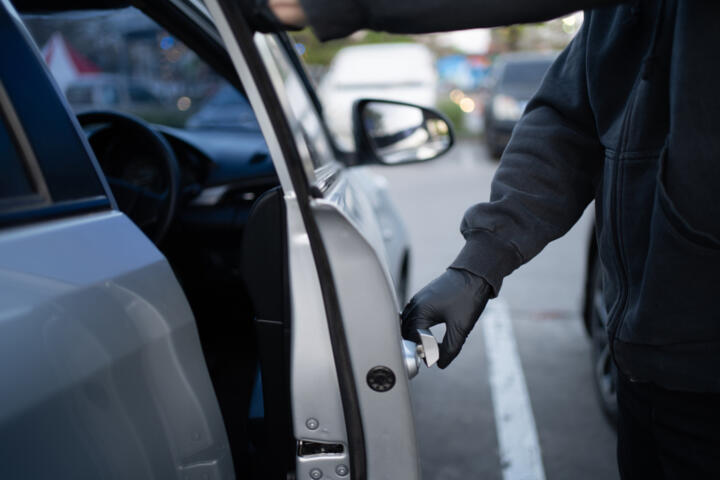
Understanding Car Theft Scene
Car theft affects over 700,000 vehicles yearly in the United States alone, according to the FBI's 2022 report. Most stolen cars show no signs of forced entry, which makes identifying theft tricky at first glance. Discovering your vehicle gone often happens late at night or early morning, sometimes in crowded parking lots or private driveways where you checked last just hours ago. Your first move must be clear: confirm your car was stolen and not towed or moved by mistake. That step alone can save hours of lost effort.
Real cases show 30% of reported stolen cars appear within the first 24 hours, often abandoned or recovered with minor damages. But you need to act fast.
Common Pitfalls After Theft
Many people delay calling the police, incorrectly assuming their insurance or tracking app will handle it. Restoring a stolen car without a police report is rare—your insurer typically requires it before paying claims. Another error: searching on your own extensively or posting location requests on social media immediately, which can alert thieves to your knowledge. People underestimate reporting promptly. The first 48 hours shape the chance to recover the vehicle. Without timely action, your car might vanish for good, and the delays can also complicate your insurance.
Confusion over which department to call adds delay, especially if stolen outside your home jurisdiction.
What to Do Immediately
Contact local police
Dial the non-emergency number unless you spot the thief, then call 911. Filing a theft report with your closest police station gives the case a start date, essential for insurance and recovery efforts. Provide VIN, make, model, color, and last known location. If your vehicle has a GPS tracker, share live data. The police submit your info to the National Crime Information Center (NCIC), increasing recovery odds by 15%. Copy the police report number for your records. This step activates official channels quickly.
Notify your insurance provider
Call your insurer within 24 hours of police report filing. Different policies cover theft differently; comprehensive coverage often reimburses or repairs once approved. Having your report number handy speeds claims processing. Many insurers, including GEICO and State Farm, allow claim submissions online or via mobile apps, simplifying follow-ups. Note policy deductibles and terms—you may owe part of the repair cost or replacement on newer vehicles. Skipping this could mean no payout.
Inform your lender or leasing company
If your car is financed or leased, you must notify the lienholder immediately. They own part or all of the vehicle legally, and lenders usually require copies of police and insurance reports. Leaving them out can breach your contract or delay loan adjustments, and some lenders offer their own theft recovery assistance. This step is easily overlooked.
Check local towing and impound lots
Cars parked illegally or abandoned can get towed without notice. Contact local impound yards nearby before assuming theft, especially if you last parked in complex areas or commercial lots. This avoids needless panic. Each year, thousands of “stolen” cars turn up misplaced by owners who skipped this.
Use vehicle tracking tools
Through brands like LoJack or OnStar, many cars have embedded GPS systems. Log in, activate tracking, and share coordinates with police. Real-time location updates can lead to fast recoveries in dense urban areas. However, not all vehicles have active subscriptions, and some thieves disable units, sadly. Many models since 2018 include automatic crash and theft alert; review your dashboard app or manual quickly.
Alert neighbors and local businesses
Notify anyone near your parking spot to watch for suspicious activity or report new sightings. Nearby CCTV cameras from shops or traffic systems might have captured footage related to the theft. Law enforcement often requests this footage during investigations. Sometimes private footage solution, such as Ring doorbells, helps identify suspects but only if asked properly. It’s a common community tactic that often gets overlooked.
Monitor online marketplaces
Stolen cars often get stripped for parts or sold illegally via platforms like Craigslist and Facebook Marketplace. Checking regularly may reveal listings matching your vehicle's characteristics, especially if combined with VIN checks. Reporting suspicious ads to police aids in identifying networks handling stolen goods. This is time-consuming, but a few dedicated hours can matter.
Secure your personal belongings
Your stolen car might hold personal items or documents increasing identity theft risk. Cancel any payment cards or IDs stored inside promptly. Theft recovery isn’t just about the vehicle. Victims often miss this, leading to secondary issues such as fraudulent use of stolen licenses or credit cards from the glovebox. Don’t ignore it.
Prepare for replacement logistics
While hoping for recovery, begin exploring temporary transportation and potential purchase or rental options. Rental companies like Enterprise or Hertz offer various plans for theft victims, some reimbursed by insurance. Delay prolongs your lack of mobility unnecessarily. Start this process early.
Real Recovery Stories
In 2023, a small business owner in Dallas had his delivery van stolen overnight. He reported immediately to police, activated his OnStar system, and shared GPS data. Within 12 hours, officers recovered the van two miles away, missing only minor equipment. The insurer covered damages quickly, limiting downtime to 48 hours. His prompt actions paid off.
Conversely, a family in Seattle waited days before reporting their stolen sedan. The car was stripped for parts, never recovered. Their insurer declined for delayed reporting, costing them $7,500 out of pocket. These stories highlight that speed and accuracy matter most.
Checklist for Stolen Car
| Step | Action | Contact | Notes |
|---|---|---|---|
| 1 | Confirm theft, no tow | Local police non-emergency | Save report number |
| 2 | File insurance claim | Insurance hotline/app | Provide police report info |
| 3 | Notify lienholder | Finance or leasing company | Required by contract |
| 4 | Check impound yards | Local tow lots | May save unnecessary panic |
| 5 | Activate GPS tracker | Device provider | Works if subscription active |
| 6 | Alert neighbors/business | Local community | Check camera footage |
| 7 | Scan online ads | Marketplace websites | Report suspicious posts |
| 8 | Secure belongings | Credit agencies if needed | Prevent identity fraud |
| 9 | Arrange transport | Rental companies | Reduce downtime |
Errors and Fixes
Delay in reporting police tops the list of missteps. Waiting even 24 hours drops recovery chances dramatically. File first, ask questions later. People often give incomplete vehicle details. Always double-check VIN, year, and color to avoid confusion or misidentification. Submitting inadequate or unclear info can prolong investigations. Another issue: ignoring insurance requirements—skip report numbers, lose claim support. Checking if car was towed often remains ignored until after panic sets in. Start there, prevent wasted time. Last, users sometimes forget notifying their financiers, which hurts credit relationships and may incur penalties. A quick call protects your interests.
FAQ
Who do I call first after theft?
Contact police—non-emergency for confirmation, 911 if immediate danger exists. Then alert insurance.
How long to wait before reporting?
Report immediately. The first hours greatly influence recovery success.
Can I track my stolen car myself?
Use manufacturer GPS or third-party apps if available, but always inform police with updates.
Does insurance cover all theft losses?
Coverage depends on your policy type; comprehensive usually applies but check exclusions and deductibles.
Should I search online marketplaces?
Yes, scanning prevents thieves from selling your vehicle parts unnoticed, but report suspicious leads only to law enforcement.
Author's Insight
Years of working with car theft victims convinced me that acting instantly is the game-winner. Police reports kickstart everything, yet many skip this step. My personal experience includes a case where a client delayed reporting for two days, which practically erased chances of recovery. I advise always double-checking your vehicle’s GPS system status monthly—it rarely works as promised without a live subscription. Lastly, securing your personal documents, though often ignored, can save you extra headaches.
Final Thoughts
Confirming your car’s theft fast sets the recovery process in motion. Start by contacting the police without hesitation. Next, notify insurance and your financing company to avoid coverage gaps or penalties. Use GPS tools if available, alert local neighbors, and scan online platforms for suspicious activity. Avoid common mistakes like delays or incomplete info that derail efforts. Your fastest response increases chances to recover the car and secure your interests.