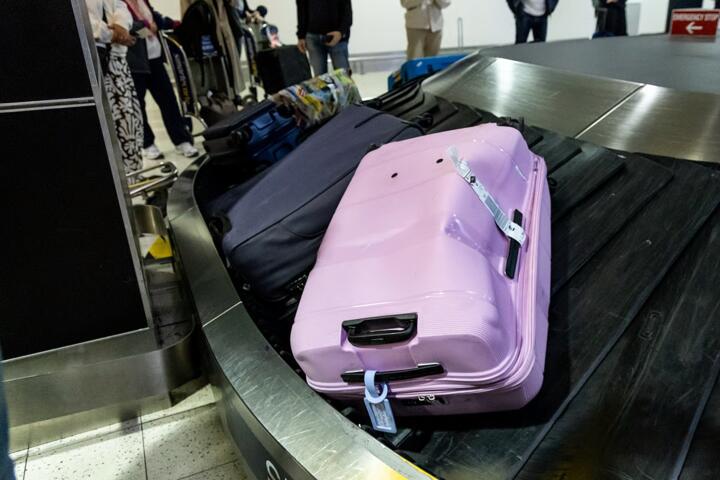
Understanding Lost Luggage
Airlines mishandle around 5 million bags each year globally, according to data from the SITA 2023 Baggage Report. Lost bags can happen due to connecting flights, mechanical errors, or human mistakes. A typical scenario shows bags delayed for over 24 hours in roughly 75% of cases. Knowing what happens after check-in helps.
For example, if your flight connects in two cities, luggage may miss the second plane due to tight transfer times. Some airports have better tracking tech than others, adding complexity. You don’t only lose your belongings; you lose time and peace of mind.
Common Luggage Issues
Passengers often wait too long before reporting lost items. This delay reduces chances to recover bags quickly. Believing the airline will automatically find your luggage without input is a costly mistake. Airlines count on customers to report promptly and clearly. Worse, many travelers skip taking photos or saving receipts, which weakens claims.
Lost bags interrupt travel plans and impact schedules. Missing medications or work materials adds stress and cost. Plus, international trips involve complex legal rules about claims and compensations, often differing by carrier or treaty.
Those who check bags without tags or use obscure carriers risk mishandling. Digital check-ins usually improve tracing but do not guarantee delivery.
How To Get Bags Back
Report Immediately at the Airport
Go directly to the airline’s baggage desk before leaving the terminal. Report the missing bag with your boarding pass and baggage claim ticket. Airlines typically use a system called WorldTracer, which tracks bags in real time. You’ll receive a Property Irregularity Report (PIR) number—save it carefully. This short report kicks off recovery and compensation processes.
Use Online Tracking Tools
Most airlines offer real-time tracking on their websites or apps. Delta’s Track My Bags or American Airlines’ baggage tracking shows precise location updates. Register your PIR number to receive email texts updates. These tools cut uncertainty, showing progress or confirming losses faster.
Keep Receipts for Necessities
Airlines usually reimburse for limited expenses, like toiletries or emergency clothes, up to $100-$200 per day after 24 hours. Collect all receipts to back your claim. Store photos and digital receipts too. Some airlines now accept expense uploads via apps, speeding reimbursements.
Know Airline Policies
Each carrier has different baggage compensation rules, often regulated by international treaties like Montreal or Warsaw system. For US domestic flights, maximum liability is about $3,800 per bag under DOT rules. Check specific airline caps and documentation requirements found on their website or customer support. Airlines often try to minimize payouts by demanding strict paperwork—skip this and risk losing your claim.
Stay Polite and Document Communication
Frequent communication helps. Keep copies of emails, chat transcripts, and logged phone calls. Airlines can reject claims without proof of contact. Keep cool, even when frustrated—emotional outbursts rarely help. Jot down agent names and time stamps for follow-up.
File Compensation Claims Promptly
Timelines matter: Typically, you have from 21 days (domestic) to 7 days (international) after receiving delayed bags to file. Miss deadlines and you forfeit claims. Submit claims via airline’s online forms; attach receipts, PIR, and correspondence. Follow up weekly until resolved.
Use Credit Card Protections
Some premium credit cards offer lost luggage protection on flights paid with them—consider this perk if available. Cards like Chase Sapphire Reserve or American Express Platinum provide reimbursements up to $3,000. This backup can compensate if airlines delay or deny claims but read terms carefully.
Seek Help from Aviation Authorities
If airlines stall, a complaint to the FAA (US), CAA (UK), or equivalent can add pressure. These agencies regulate passenger rights and sometimes mediate disputes. Useful if airlines delay responses for more than 30 days.
Consider Baggage Recovery Services
For crucial or high-value items, companies like LugLoc or Trakdot offer GPS tracking devices for bags. Activating these won't recover lost bags directly from airlines but improves personal tracking. Evidence from such devices, often overlooked, can support claims.
Real Cases of Lost Bags
Case 1: A business traveler flying United Airlines lost his baggage during a multi-stop trip in June 2023. After promptly filing a PIR and using United’s Track My Bags app, he recovered his luggage within 48 hours and received $150 in incidental expense reimbursement, thanks to filing receipts. The process took two weeks for final settlement.
Case 2: A family using a budget carrier experienced a 4-day luggage delay on a European trip. They failed to report immediately or keep receipts for essentials. The airline denied compensation citing missed claim window and no proof. This led them to file a complaint with local aviation authority, which resulted in a partial refund but no full damage payment.
Recover Lost Bags Checklist
| Step | Action | Why It Helps | Example |
|---|---|---|---|
| 1 | Report at airport | Starts official search | Get PIR number |
| 2 | Use airline apps | Track bag location | Delta Track My Bags |
| 3 | Save receipts | Prove expenses | Hotel, toiletries |
| 4 | Check policy | Know deadlines | DOT claims limits |
| 5 | Document contacts | Support claim history | Email threads |
| 6 | File claim fast | Meet deadlines | Claim within 21 days |
Mistakes to Avoid
Failing to file immediately is the biggest blunder. Waiting days or ignoring the problem dooms recovery. Another is discarding luggage tags or boarding passes; these contain key info for claims. Overlooking the airline’s terms leads to denial—read them carefully. Trying to claim without receipts results in cutbacks or refusals. Calling repeatedly with unclear questions, rather than building a case, wastes time.
Trust your instincts but demand facts and confirmations. Don’t assume silence means approval. And avoid posting complaints publicly too early. Airlines often prioritize formal complaints filed directly.
FAQ
How quickly should I report lost luggage?
Report as soon as you realize your bags are missing—ideally before leaving the airport. Airlines usually require reports on-site to start the search.
Can I track lost bags online?
Yes. Many airlines provide baggage tracking services using your PIR number. These give updates on your bag’s status and location.
What if my bag never shows up?
If it’s declared lost after extensive search (usually 21-30 days), you can file for full compensation based on airline liability and applicable treaties.
Are incidental expenses covered during delay?
Most airlines reimburse reasonable expenses like toiletries or clothes after 24 hours of delay, up to set daily limits. Keep all receipts.
Do credit cards help with lost luggage?
Premium credit cards often include lost luggage protection on paid flights. Check card terms for coverage limits and claim process.
Author's Insight
In my years handling travel disruptions, immediate action separates fast recovery from a financial headache. One overlooked step I always stress: keeping every receipt and correspondence. Airlines tend to push back, so evidence gives you leverage. Tracking apps, while imperfect, shave off hours of anxiety. It’s a slow grind sometimes, but persistence pays.
Key Points
Lost bags disrupt more than schedules—they cost money and cause stress. Quick reporting, using airline tracking, saving all evidence, and understanding compensation rules raises your odds of success. Avoid delays in filing and keep communication clear. Armed with these steps, you turn lost luggage from a total mess into a manageable issue.