Flood Coverage Ends Here
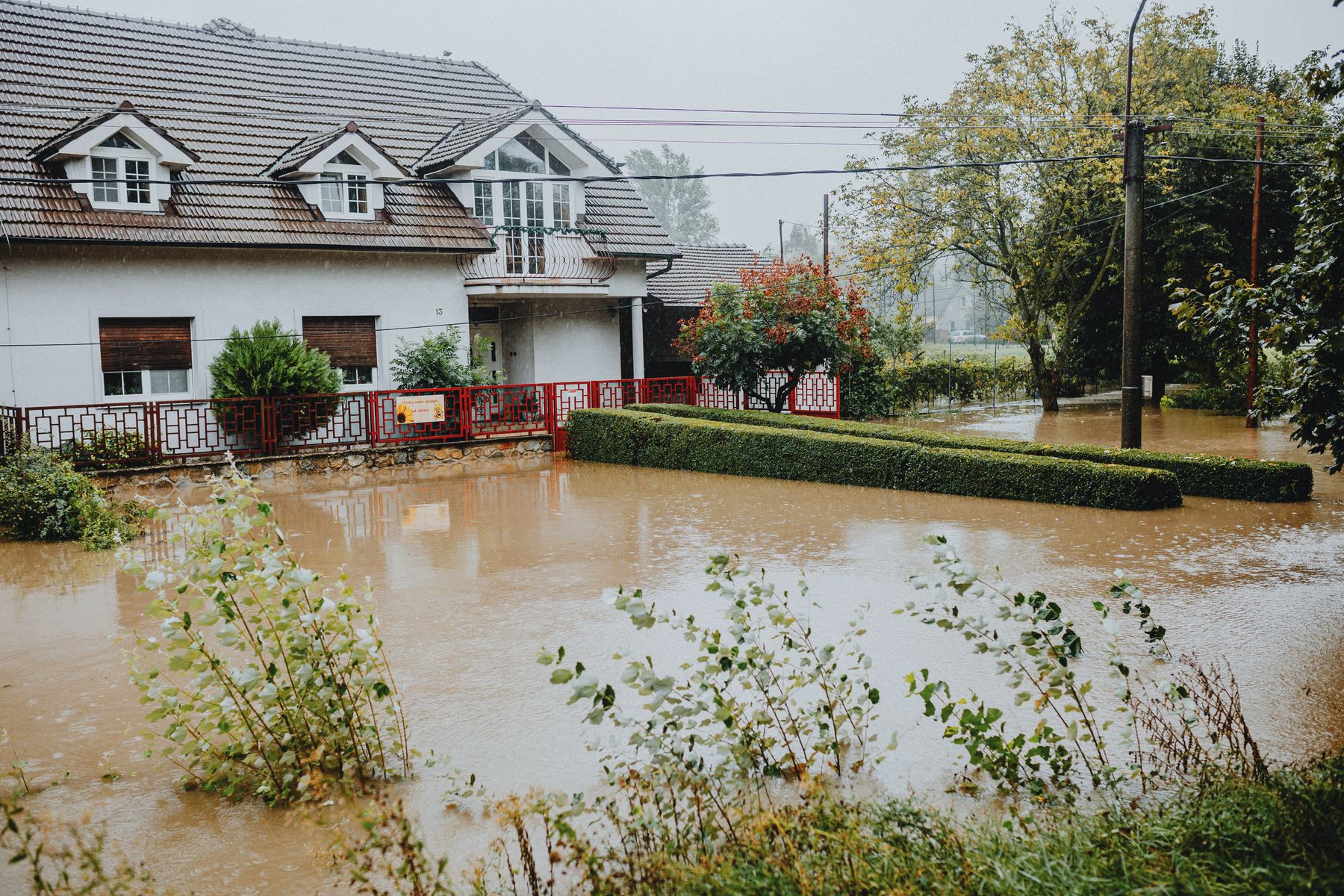
Standard homeowners and renters policies usually cover many water-related events, but they commonly exclude damage caused by flooding. Flood insurance focuses on water that overflows or is driven by natural forces, and insurers often treat it differently from leaks, burst pipes, or roof failures. A practical example: a broken water heater inside a basement typically falls under homeowners coverage, while water that rises from a nearby river or backs up from saturated ground often triggers flood insurance rules instead. Another example: heavy rain that overwhelms storm drains can be treated as flooding even when the water looks like “rainwater,” which is where people get surprised during claims.
Flood coverage also depends on how the policy defines “flood,” the source of water, and the timing of the loss. Many policies distinguish between water that enters from the outside due to flooding and water that escapes from within a building due to a plumbing failure. That distinction matters when you read the exclusions and when you describe the event to the adjuster, because the claim outcome often tracks the insurer’s classification of the water source.
What People Get Wrong
People frequently assume that “water damage” means the same thing across all policies. Homeowners coverage often includes sudden and accidental water damage from internal sources, but it typically excludes flood-related water, even when the flood begins with rainfall. Another common misunderstanding is that a basement automatically means “covered,” even though basements are often where floodwater enters first and where exclusions are most likely to apply.
Flood insurance also depends on supporting details that are easy to miss. The claim file may need photos, waterline marks, dates and times, and documentation of the water’s path. If you only report “rain caused damage,” the insurer may still classify the event as flooding if the water came from outside and rose due to overflow or saturation. The supporting technologies behind these decisions include flood maps, elevation data, and sometimes satellite or modeling used to estimate risk, and those tools can affect underwriting and eligibility.
How To Choose Flood Coverage
Match The Policy Definition
Start by reading the policy’s definition of flood and the exclusions tied to water sources. Look for language that separates flooding from water that escapes from plumbing, appliances, or roofs. When you document the loss, describe the water source in the same terms used by the policy, such as overflow from a river, ponding due to rainfall, or water entering from the outside. If you have a basement, note whether the water entered through walls, floor cracks, or openings, because the path often supports the insurer’s classification.
Use a simple evidence checklist after any heavy rain: take wide photos of the exterior, close-ups of entry points, and a photo of any waterline on walls or furniture. A phone timestamp helps, and a quick note of when you first noticed rising water can prevent confusion later. I’ve watched claims stall because the homeowner had photos but no timeline, and the adjuster had to infer the sequence from incomplete information.
Plan Around Waiting Periods
Flood insurance often includes a waiting period before coverage begins. For example, many National Flood Insurance Program (NFIP) policies have a 30-day waiting period, though exceptions can exist for certain circumstances such as new mortgage requirements or specific disaster-related rules. Private flood insurers may have different waiting periods, so you need to confirm the effective date and any exceptions in writing. If you’re buying coverage because a lender requires it, ask the agent or insurer to confirm the exact effective time and whether any waiver applies.
When you compare quotes, compare the effective date alongside the premium. A lower premium that starts after the next storm season can be a poor trade if you need coverage immediately. This is one place where people rush and then discover the policy is still “in waiting,” which rarely matches the urgency of flood risk.
Understand Deductibles And Limits
Flood policies often use deductibles that differ from homeowners policies, and they may apply per building or per claim depending on the policy structure. Coverage limits also vary by building type and by whether you choose building coverage, contents coverage, or both. Before you buy, estimate what you would need to replace if the water reached the lowest level of your home. If your basement contains utilities, finished flooring, or stored items, check whether those items are treated as contents and whether there are sublimits.
For realistic budgeting, list major categories: structural repairs, electrical and HVAC components, drywall and insulation, and personal property. Then compare those totals to the policy’s coverage limits and exclusions. A mild frustration point: many people focus on the premium and ignore the coverage caps, then learn the payout ceiling is far below the replacement cost for their specific layout.
Use Maps, But Verify Your Address
Flood risk is often tied to flood hazard maps and elevation data, but those tools can lag behind local changes. Review your address on official flood map resources and ask the insurer how they rated your property. If you have recent elevation certificates or documented changes, ask whether they affect underwriting. Keep in mind that map-based risk categories do not automatically tell you what the policy will cover for a specific loss, because coverage terms and definitions still control the claim.
When you request a quote, provide consistent property details: building type, number of floors, basement presence, and the year built. If you have an elevation certificate, include it and confirm the insurer received it. I’ve seen quotes change after a simple correction to the building elevation or the reported basement finish level, which suggests the underwriting inputs matter more than people expect.
Educational Case Examples
Scenario 1 (Basement Water After Heavy Rain): A homeowner in a low-lying area experiences heavy rainfall that saturates the ground and pushes water into a basement through cracks. The homeowner’s homeowners policy covers a burst pipe that occurred earlier in the week, but the later water rise damages drywall, stored boxes, and a furnace. The insurer classifies the later event as flooding because the water entered from outside due to overflow/saturation. The flood policy covers building and contents up to the selected limits, subject to the flood deductible and any exclusions for certain items.
Scenario 2 (River Overflow vs. Plumbing Leak): A renter reports water damage after a nearby river overflows and water enters through a ground-level window. The landlord’s policy excludes flood damage, and the renter’s renters policy excludes flood-related water. The renter files a flood claim under a flood policy purchased for contents, while a separate homeowners claim for a different internal leak is handled under the plumbing event. The adjuster’s classification hinges on the water source and entry point, not on the visible “water damage” label.
Flood Insurance Checklist
| Decision Point | What To Check | Why It Matters In Claims | Quick Evidence |
|---|---|---|---|
| Flood Definition | Policy wording for overflow/saturation and water source | Controls whether the loss is treated as flood vs. internal water | Photos of entry points and waterline |
| Effective Date | Waiting period and any exceptions | Determines whether coverage applies to a specific storm | Declaration page and endorsement dates |
| Deductible And Limits | Flood deductible type and coverage caps | Affects payout even when the claim is covered | Inventory list and replacement estimates |
| Building Vs Contents | What is covered under building and what is contents | Prevents gaps for utilities, finished basements, and stored items | Room-by-room notes and receipts where available |
Step-by-step checklist you can use before buying:
- Write down the water source you fear most (river overflow, storm surge, saturated ground, sewer backup) and match it to the policy’s flood definition language.
- Confirm the effective date and waiting period in writing, then record it in your calendar (I’ve seen people miss a coverage start date by a single week).
- Estimate replacement needs for the lowest level reached by water in your area, including utilities and flooring.
- Compare deductibles and coverage limits across quotes, not just premiums.
- Check whether you need building coverage, contents coverage, or both, based on what you would replace after a flood.
- Store your policy declarations and endorsements in one folder, labeled with the year (example: “Flood Policy 2026”).
Common Mistakes That Cost Money
Buying flood insurance without reading the exclusions leads to predictable claim disputes. People often assume that “rain” equals “covered water,” but flood definitions frequently hinge on overflow, ponding, or water entering from outside due to flooding conditions. Another mistake is treating the flood deductible as if it matches the homeowners deductible, which can leave you underprepared for the out-of-pocket portion.
Some homeowners document the damage but not the cause. Adjusters may ask for the sequence of events, and a missing timeline can slow the classification of the loss. A related error is relying on a generic description such as “water damage from storms” without stating where the water came from and how it entered the home.
People also skip the endorsements and special limits that control coverage for certain items. In one review session dated 2024-11-03, a policyholder had contents coverage but discovered a sublimit for certain categories of personal property, which reduced the payout for stored items. That kind of gap is avoidable when you read the declarations and endorsements before the claim.
FAQ
Does Homeowners Insurance Cover Flooding?
Most homeowners policies exclude flood damage caused by overflow of water or flooding conditions. Internal water events like burst pipes are handled differently, so the claim outcome depends on the water source and how the policy defines flooding.
What Counts As A Flood For Insurance?
Flood definitions in insurance policies typically focus on water that overflows, is driven by natural forces, or enters from outside due to flooding conditions. The exact wording varies by policy, so you need to match your event description to the policy’s definition.
How Long Is The Waiting Period?
Many flood policies include a waiting period before coverage begins, and NFIP policies commonly use a 30-day waiting period, with exceptions in certain situations. Private flood policies can differ, so confirm the effective date and waiting period in the contract documents.
Can I Buy Flood Insurance After A Storm Starts?
Coverage often does not apply immediately because of waiting periods. If you buy after a storm begins, the insurer may deny or limit coverage for losses that occur before the effective date.
What Should I Document For A Flood Claim?
Document the water source and entry points with photos, record the timeline of when water rose and when you noticed damage, and keep receipts or inventory lists for damaged items. A clear timeline and visible waterline marks help the insurer classify the event correctly.
Author's Insight
Flood insurance decisions hinge on definitions, timing, and classification of the water source, not on the visible label “water damage.” Standard homeowners policies often cover internal leaks but exclude flood-related water, so the same rainfall can lead to different coverage outcomes depending on how the water entered and why it rose.
Map-based risk tools influence underwriting, yet policy terms control claims. A property can be rated low risk and still experience a flood loss, while a high-risk area can still have losses classified as non-flood if the water source matches internal plumbing or other covered causes.
When people prepare early—reading definitions, confirming effective dates, and estimating replacement needs for the lowest level they could lose—the claim process tends to involve fewer surprises and fewer coverage disputes.
Key Takeaways
- Standard homeowners and renters coverage often excludes flood damage; internal leaks and floodwater are treated differently.
- Flood insurance depends on policy definitions of flood, the water source, and the entry path into the home.
- Waiting periods and separate flood deductibles can affect whether coverage applies to a specific storm.
- Compare quotes using effective dates, deductibles, and coverage limits, then estimate replacement needs for your lowest level.
- Document the timeline and water entry points to support the insurer’s classification during a claim.