Phone Insurance Basics
Gadget insurance for phones covers repair or replacement after damage, loss, or theft. For example, a cracked screen repair can cost $150 to $300 without insurance—Samsung charges around $280 for Galaxy S23 Ultra screen fix. Around 1 in 12 smartphone owners report theft or accidental damage yearly, according to a 2022 Verizon survey. Some policies even cover water damage or mechanical failures beyond warranty. This coverage responds to common risks phone users face daily, such as dropping the device on concrete or leaving it in a taxi. The question is how much protection does a given policy really offer, and at what price?
Problems and Misunderstandings
Many owners assume their regular warranty or credit card protections cover all damages — they do not. Manufacturer warranties usually exclude accidental damage or theft. Phone carrier insurance sometimes requires high deductibles, often $100 or more, which erodes savings. Users underestimate how often repairs outlast device value, especially for flagship phones that run $800+. Another common mistake: signing up for insurance without reading fine print that limits the number of claims annually, commonly two per year. Consequences include unexpected bills or denied claims. Picture someone with an iPhone 14 Pro Max who cracks the screen twice in six months and hits the deductible each time — they may spend close to the phone’s replacement cost. These gaps expose users with expensive devices and risky routines.
Practical Insurance Tips
Assess repair costs
Check local repair prices for your exact phone model before buying insurance. For example, an iPhone 13 screen replacement from Apple is $279; independent shops may charge $150 but void warranty. If repair costs exceed 25% of your phone’s value, insurance might save money over time.
Evaluate your phone usage habits
If you drop phones often or work in risky environments (construction, outdoors), insurance covers the fallout better. In contrast, office workers or careful users might save by avoiding insurance and paying repair bills themselves.
Understand policy coverage limits
Read limits on yearly claims, deductibles, and excluded scenarios carefully. Some policies exclude liquid damage or minor scratches. For example, AppleCare+ offers two incidents per year with a $29 screen repair deductible, but accidental damage after that or theft costs more.
Leverage credit card protections
Many premium credit cards offer free payment protection and extended warranties for phones purchased on the card. Chase Sapphire Reserve, for example, provides 120 days of coverage up to $1,000. Use this if you pay your phone upfront with a qualifying card.
Consider manufacturer or carrier plans cautiously
Carrier insurance often costs $8–$15/month with deductibles up to $200. Evaluate if deductibles plus monthly fees match expected repair costs. Manufacturer plans like Samsung Care+ or AppleCare+ offer easier claims but can be pricy—close to $200 for two years. Check if reimbursement is via repair or full replacement.
Regular backup frequency
Back up your phone data weekly or more; this avoids losses even if device is stolen or damaged beyond repair. Cloud backups and tools like Google One or iCloud are convenient and often free beyond a storage limit.
Explore third-party insurers
Companies like Asurion or Worthy offer competitive pricing and coverage options. Worthy, for instance, provides coverage starting at $7 per month with no deductibles, but make sure claim reviews are swift—they can drag sometimes.
Review incident self-insurance
Sometimes paying out-of-pocket for one accidental incident saves money compared to yearly premiums. Calculate your risk over 12 months and compare to insurance costs.
Use device protection accessories
Invest in quality cases and screen protectors. OtterBox Defender or Zagg Glass has saved me at least $200 twice, which insurance would charge in deductibles.
Examples Showing Impact
Case 1: A small sales company equipped 15 employees with iPhone 12 Pros. They opted out of insurance, paying incidentally for one screen and two battery replacements over 18 months, totaling around $1,000, well below the $2,400 they'd spent on Apple's Care+ coverage.
Case 2: An individual broke their Galaxy S22 screen twice within 8 months. They bought Samsung Care+ for $12/month plus $29 deductible per incident. Total spent: $348, under the $560 repair cost without insurance. They appreciated zero hassle and a swift replacement service.
Protection Pros and Cons
| Feature | Carrier Plan | Manufacturer Plan | Credit Card |
|---|---|---|---|
| Monthly Cost | $8–$15 | Up to $15 | Free (with card) |
| Deductible | $100–$200 | $29–$99 | $0 |
| Claims Limit | 2 per year | 2 per year | Varies by issuer |
| Theft Coverage | Usually yes | Yes | No |
| Water Damage | Often excluded | Covered | No |
| Data Loss Help | No | Limited | No |
Errors to Avoid
Don't buy insurance on impulse. Shop around and read exclusions carefully. Avoid plans with deductibles near $200 if repairs typically cost $150 locally. Keep proof of purchase and maintain regular backups to reduce claim denial risks. Skipping to claim immediately after damage without first checking repair options wastes money. Some users ignore the fine print that caps claims or excludes battery replacements, leading to surprise costs. Also don't ignore better credit card protections, often free but overlooked. Finally, don't underestimate DIY repairs for simple faults; these save the most.
FAQ
Is gadget insurance worth it for all phones?
No, expensive flagship phones or risky users benefit most; inexpensive phones may cost less in repairs than insurance.
Does insurance cover lost or stolen phones?
Usually yes, but some policies exclude loss or require additional coverage riders. Check policy terms carefully.
Are water damages covered by standard phone insurance?
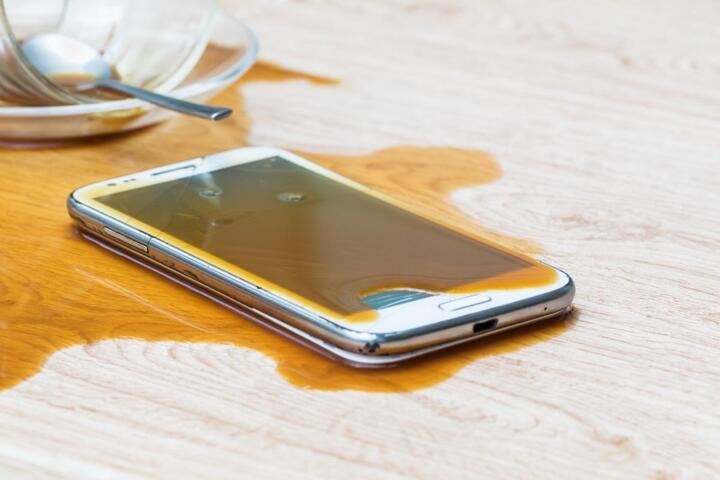
Not always. Many carrier plans exclude water damage unless it’s part of accidental damage coverage like AppleCare+.
Can I claim insurance multiple times a year?
Most insurers limit claims to two or three per year per device, reducing value if you often damage your phone.
Does phone insurance include data recovery?
Rarely. Some manufacturers offer limited recovery help, but data backup is the best protection.
Author's Insight
Having repaired dozens of phones over the past seven years and evaluated many insurance offers, I learned the real value hides in understanding your habits. For me, paying out-of-pocket saved money. But a client who once lost two phones in a month relied on insurance and avoided big bills. Deductibles, claim limits, and backup strategies make the difference. I also find that negotiating repair costs locally sometimes beats the math on insurance premiums. My advice? Get backup in place and calculate your risk—this saves from regret.
Final Thoughts
Deciding on gadget insurance for your phone requires a mix of cost analysis, risk tolerance, and clarifying policy details. Check actual repair prices for your model, note your daily exposure, and compare insurance costs against potential bills. Remember alternatives like payment protections on credit cards and reliable backups matter most for data security. Avoid assumptions about coverage scope and read your plan’s limitations thoroughly. A cautious, informed approach prevents overspending and hassle during device crises.