Collision Vs Comprehensive
Collision coverage generally pays for damage to your vehicle caused by a crash or impact, including hitting another car, a guardrail, a pothole that damages the wheel, or an object that you strike. Comprehensive coverage generally pays for damage caused by events other than a collision, such as theft, vandalism, fire, hail, flood, falling objects, and damage from animals.
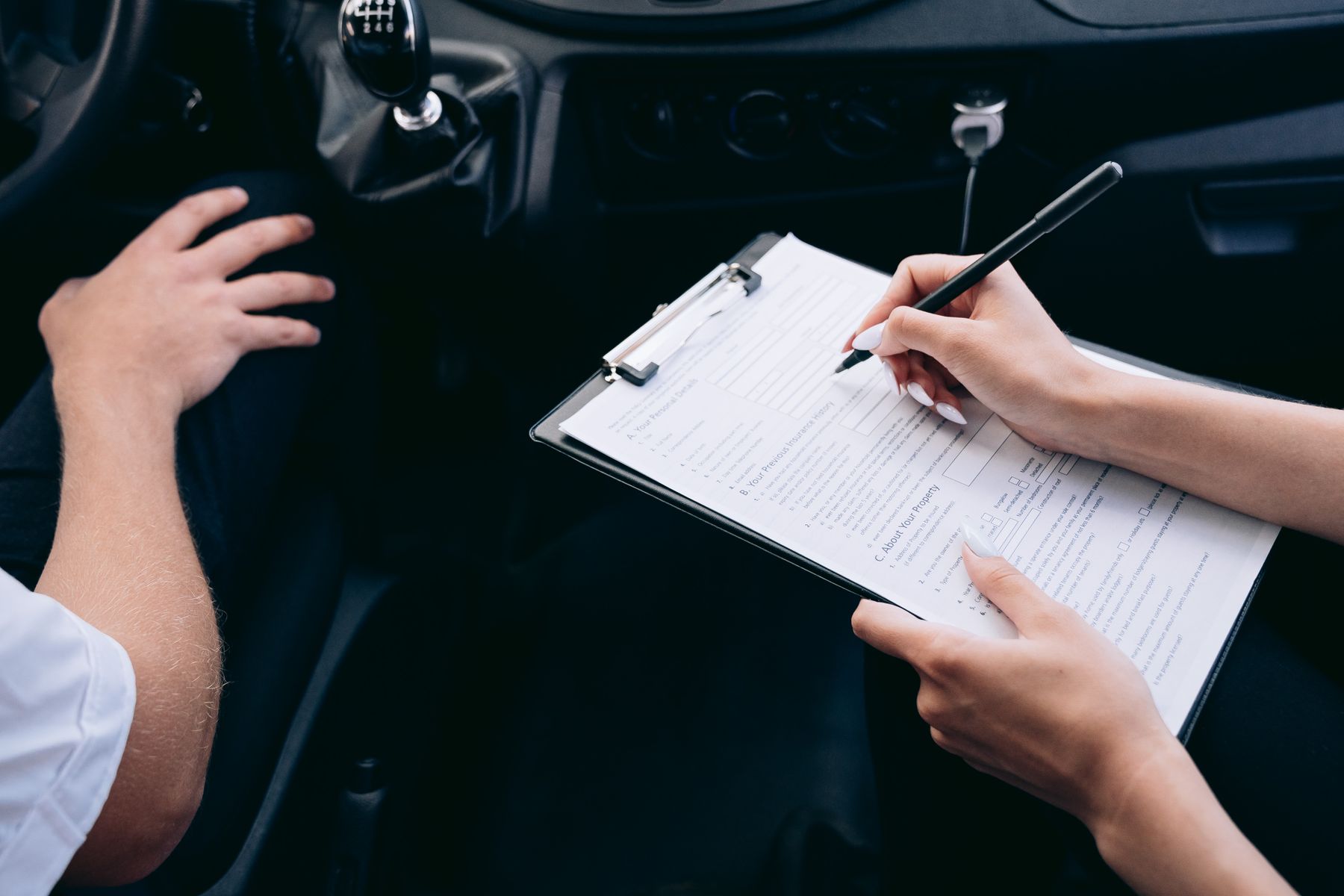
Insurers still need a cause-and-effect story that matches the policy definitions, and the claim form often asks for a short description of what happened. If you describe the event in a way that points to the wrong peril, the claim can be delayed while the adjuster clarifies facts. I’ve seen people write “hit something” when the car was actually struck by debris falling from above, and the paperwork gets messy fast.
Start by identifying the initiating event: did your vehicle strike something, or did something strike your vehicle? That single distinction drives most classification decisions. Then check whether the policy treats the specific peril as “collision” or “comprehensive,” since wording varies by insurer and state.
Common Claim Mistakes
People often assume that any damage to the car counts as collision, even when the initiating event is theft, weather, or vandalism. Another frequent error is mixing up “impact” with “collision.” Comprehensive can include impact damage caused by hail dents or a falling tree branch, while collision can include impact damage from a crash you cause.
Supporting details matter because insurers separate “cause” from “result.” A cracked windshield from a rock kicked up by another car can be treated differently than a windshield cracked by a falling object. The adjuster may ask for the direction of travel, where the damage occurred, and whether there was a separate vehicle or object involved.
Dependencies also show up in the repair process. If the car is drivable, some insurers require an estimate before they authorize towing or storage. If the car is not drivable, the tow company’s notes and photos become part of the evidence trail, and those notes rarely match what you remember in the moment.
Deductibles and claim history add another layer. Collision and comprehensive each have their own deductible in many policies, and filing a claim can affect future premiums depending on state rules and insurer underwriting. Some insurers also treat glass-only claims differently, which can change whether you should file at all.
How To Choose The Coverage
Match The Initiating Event
Write a short timeline that starts with what began the damage. If your car struck a deer, that is typically collision because your vehicle made the impact. If a deer hit you from the side and you did not strike it, the classification can still lean collision because the car was involved in the impact, but the adjuster may ask for the sequence of events.
For falling objects, the initiating event is the object falling onto the vehicle, which usually fits comprehensive. If you were driving and a branch fell, the branch is the peril; if you drove into a branch, the collision angle becomes stronger. I keep a habit of noting the approximate height and whether there was wind or storms, since those details often show up in the adjuster’s questions.
Use Evidence Before You File
Gather photos that show the full scene, not just the damaged panel. Include the ground position of the vehicle, any debris field, and close-ups of damage patterns. If the event involved weather, capture timestamps and local conditions if you can; a hail claim often benefits from photos of dents and any nearby hail damage on other surfaces.
For theft or vandalism, document the condition of locks, keyless entry indicators, and any forced entry. If you have a dashcam, export the clip with the date and time intact. Many dashcam apps label files with a format like “.mp4” and a timestamp; I’ve noticed adjusters respond faster when the clip name includes the date.
Before you submit, read the claim form prompts carefully. If the form asks “What happened?” choose wording that describes the initiating event, not just the visible damage. “Tree branch fell on hood” usually points to comprehensive, while “I hit a tree” points to collision.
Compare Deductibles And Repair Paths
Collision and comprehensive deductibles can differ, so check your declarations page. If your deductible is $1,000 for collision and $500 for comprehensive, a $900 windshield repair might be handled differently than a $900 hail dent repair. Some insurers offer glass coverage with a lower deductible or a separate glass-only process, but that depends on your policy.
Get at least one repair estimate before you decide to file when the damage is minor and the car is drivable. Repair shops often provide itemized estimates that help the adjuster classify the peril and validate parts and labor. If the estimate is close to your deductible, you may decide to pay out of pocket to avoid a claim.
Claim outcomes also depend on whether the insurer can determine fault for collision-related events. For example, if another driver hits you and you have collision coverage, the insurer may pursue subrogation. If no other party is identified, the claim stays with your coverage.
Watch For Special Situations
Rental reimbursement and towing coverage are separate from collision versus comprehensive, but they affect your total cost. If your policy includes roadside assistance, towing may be handled under that benefit first, then the insurer may still classify the damage under the relevant coverage.
Hit-and-run events often fall under collision if your vehicle was struck and you were not at fault, but the insurer may require a police report or a statement of what you observed. For animal-related damage, the classification often depends on whether your vehicle struck the animal or the animal struck your vehicle, and adjusters may ask for the location and direction of travel.
Some states have rules about when insurers can require appraisals or how they handle total loss thresholds. Those rules vary, so the safest move is to ask the adjuster what documentation they need and what timeline applies in your state.
Case Examples For Real Life
Example 1: Hail dents and a cracked mirror. A driver parks outside during a storm. After the rain stops, they notice dents on the hood and a cracked side mirror. The initiating event is hail, not a crash. The claim typically fits comprehensive because the damage comes from weather-related impacts rather than a collision with another object.
Example 2: Backing into a pole. A driver backs out of a driveway and the rear bumper hits a metal pole. The driver files a claim describing the impact and the direction of travel. This is usually collision because the vehicle struck an object. The adjuster may ask for photos of the pole and the bumper alignment to confirm the sequence.
Coverage Checklist And Table
Use this quick decision support tool before you call the insurer. It does not replace policy language, but it helps you describe the event consistently.
| Scenario | Initiating Event | Likely Coverage | Common Proof |
|---|---|---|---|
| Hail dents | Weather impacts | Comprehensive | Photos of dents, timestamps, local storm info |
| Falling branch on hood | Object falls | Comprehensive | Scene photos, branch location, weather context |
| Rear-end crash | Vehicle-to-vehicle impact | Collision | Police report, photos, other driver info |
| Hit a guardrail | Vehicle strikes object | Collision | Road photos, skid marks, estimate |
| Theft of wheels | Criminal act | Comprehensive | Police report, lock condition photos |
Step-by-step checklist before you submit:
- Write a one-sentence description starting with the initiating event: “A branch fell onto the hood while parked,” or “I struck a pole while backing out.”
- Confirm whether your vehicle struck something or something struck your vehicle.
- Check your declarations page for separate deductibles for collision and comprehensive.
- Collect photos and any dashcam clip with the correct date/time.
- Get a repair estimate if the damage looks close to your deductible.
- Submit the claim with consistent wording across the form, photos, and any recorded statement.
Common Mistakes To Avoid
One mistake is describing the damage instead of the cause. “Front bumper is crushed” does not tell the insurer whether the car struck something or something struck the car. Another mistake is guessing coverage based on what you think the insurer will prefer. Adjusters classify based on facts and policy definitions, and guesswork usually creates follow-up questions.
People also forget to document the timeline. If you discover damage days later, the insurer may ask what changed between the last time you checked and the discovery date. That gap can matter for comprehensive perils like vandalism or weather.
Some drivers file multiple claims for related damage without checking how the insurer groups events. If hail damaged multiple panels and the windshield later cracks from the same storm, the insurer may treat them as one event or separate claims depending on timing and documentation. I once saw a claim get split because the windshield crack was reported after a different date, and the paperwork became a slow back-and-forth.
Finally, avoid exaggerating. If you are unsure whether a rock came from another vehicle or from a nearby construction area, say what you observed and what you cannot confirm. Claim investigations often rely on physical evidence and statements that can be cross-checked.
FAQ
Does A Windshield Crack Count As Collision Or Comprehensive?
Windshield damage from a rock impact is commonly handled under comprehensive, but some policies treat glass damage under a separate glass provision with different deductibles. The adjuster will classify based on the cause described and your policy language.
Is Animal Damage Usually Collision?
Damage from striking an animal while driving is typically treated as collision because your vehicle is involved in the impact. The insurer may still ask for details about the sequence of events and where the impact occurred.
What If My Car Was Hit While Parked?
If another vehicle or object struck your parked car, collision is often the classification because your car was impacted by an external object. If the cause was weather or a falling object, comprehensive is more likely.
How Do Deductibles Affect The Decision To File?
You pay the deductible for the coverage type that applies. If the repair estimate is near or below your deductible, paying out of pocket can avoid a claim, though you should consider whether the damage could worsen or spread.
Do I Need A Police Report For Every Claim?
Not for every event, but police reports are commonly requested for theft, vandalism, hit-and-run, and certain collision incidents. Your insurer’s claim checklist and state rules determine the exact documentation.
Author's Insight
Collision versus comprehensive decisions hinge on the initiating peril and how your policy defines covered losses, not on the size of the repair bill. The most reliable approach is to describe the event sequence consistently, then match it to your declarations page deductibles and any special provisions like glass coverage.
Insurers often ask for the same facts in different formats: where the damage is, what caused it, and when it happened. A short timeline plus dated photos usually reduces back-and-forth.
If you want a practical reference point, compare the wording in your policy’s “Coverage A” and “Coverage B” sections and the definitions of “collision” and “comprehensive,” since those terms vary by insurer and state.
Key Takeaways
- Collision typically covers damage from crashes and impacts involving your vehicle striking something.
- Comprehensive typically covers damage from non-crash perils like theft, vandalism, fire, hail, flood, and falling objects.
- Describe the initiating event, not just the visible damage, and keep wording consistent across the claim form and statements.
- Check separate deductibles for collision and comprehensive, and consider getting an estimate when costs are near your deductible.
- Document with dated photos and any dashcam footage; scene evidence often matters more than memory.