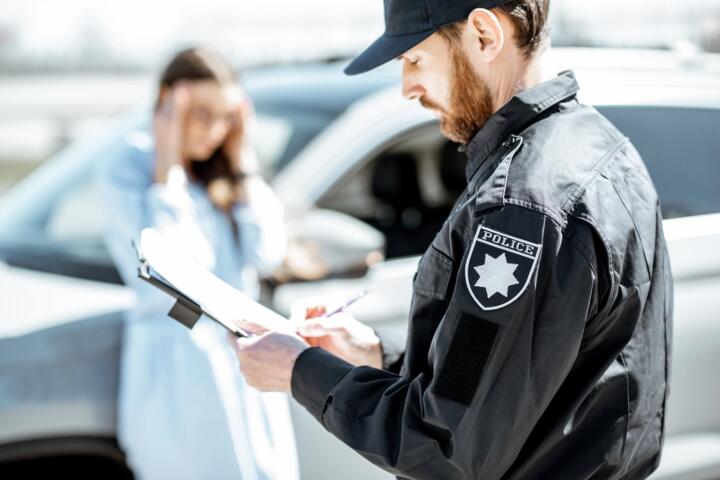
Police Reports in Claims
A police report documents the official account of an incident like car accidents, theft, or vandalism. Many policyholders wonder if filing such a report is mandatory to start their insurance claim. The answer varies by claim type, insurer, and state regulations. For example, automobile insurers often request a police report after accidents involving bodily injury or significant property damage; a 2023 survey by the Insurance Information Institute found 72% of car accident claims referenced police documentation.
In theft claims, police reports are usually standard because insurers need proof a crime occurred. Yet, for minor fender-benders or non-criminal property damage, some insurers accept alternative evidence such as photos or witness statements. Consider an auto collision with a $2,500 damage estimate and no injuries; some insurers might not require a police report, but others do.
Relying solely on assumptions can delay or complicate claims. The necessity of a police report depends on factors like local laws, claim value, and insurer rules.
Challenges Without Reports
Ignoring police reports can lead to claim denial or investigation delays. Insurers use these reports to verify facts and establish fault, so missing documentation often triggers extra scrutiny. Many claimants mistakenly believe their word alone suffices, only to discover conflicting insurer accounts or counterclaims from other parties.
One frequent issue occurs in hit-and-run cases; without a police report, insurers may refuse or limit compensation. In other cases, lack of a report means investigators rely heavily on claimant statements, opening doors to disputes.
Insurers sometimes see claims without police records as suspicious, especially when damage estimates are high — this complicates settlements. The bottom line: skipping the report can jeopardize timely payouts and increase stress.
Recommended Steps for Claims
Know Your Policy Requirements
Read your insurance policy carefully for clauses on police reports. Most auto policies explicitly require reporting accidents with injuries or damage over a certain threshold, often $1,000 or $2,000. Understanding these terms saves time and avoids denied claims. For instance, State Farm specifies in their policy that a police report should be filed if the accident involves uninsured motorists or injuries.
File the Report Promptly
Contact local authorities soon after the incident to get an official report number. Delays can reduce report accuracy and insurer trust. In New York, law enforcement suggests filing reports within 24 hours of theft or accidents, which also improves evidence quality.
Use Digital Reporting Tools
Several jurisdictions now offer online crash report submissions, saving phone calls and in-person visits. California’s DMV, for example, accepts reports online for minor accidents via their SR-1 form. This speeds up claim processing by linking directly to insurer databases.
Gather Additional Evidence
Even with a police report, supporting photos, witness contacts, and repair estimates strengthen claims. Insurers appreciate multi-source info because reports sometimes contain errors or limited details. I recall a 2022 case where a missing witness photo helped resolve fault more clearly despite a sparse police statement.
Coordinate With Your Insurance Adjuster
Provide the police report reference early during claim filing to avoid repeated document requests. Most insurers have hotlines or apps where you can upload reports — GEICO's mobile app allows seamless submission which often accelerates claim approval by 20%. Keep copies for your records.
Check State and Local Laws
Requirements for police reports vary widely: Texas demands reports for any accident causing injury or damage exceeding $1,000. Florida requires reports if injury or death occurs. Other states loosen these rules. Research your local mandates to avoid compliance gaps.
When Report Filing Is Optional
For minor incidents with minimal damage and no injuries, insurers sometimes waive police reports. Still, document the incident thoroughly. Have you tried taking pictures before and after repairs? That helps. Call your insurer to clarify in those cases.
Use Professional Claims Services
Specialized claims advocates or lawyers can advise if police reports apply in complex scenarios like multi-car crashes or commercial vehicle claims. Their expertise reduces errors documented in a 2021 J.D. Power study showing advocacy lowered claim dispute rates by 15%.
Appeal Report-Related Denials
If your insurer denies a claim for lack of a police report, ask about alternative proofs or file an appeal. Sometimes, your state's insurance commissioner can intervene when rules appear misapplied.
Real-World Examples
Company XYZ, an auto insurer in California, faced delays processing 30% of collision claims last year due to missing police reports. They launched an initiative encouraging policyholders to use the state's online incident report platform, reducing processing times by nearly 40% within 6 months.
On the other hand, a homeowner's insurer declined a burglary claim because no police report was filed within 48 hours. The insured had photographic evidence of forced entry but no report, leading to a costly legal battle that could have been avoided with prompt reporting.
Police Reports: Checklist
| Scenario | Report Needed | Timing | Insurer Example |
|---|---|---|---|
| Auto Accident with Injury |
Always | Within 24 hrs | Allstate |
| Theft or Burglary | Always | Within 48 hrs | State Farm |
| Minor Auto Damage Only |
Optional | N/A | GEICO |
| Hit and Run | Mandatory | Immediately | Progressive |
Errors to Avoid
Failing to file a police report when rules require it causes avoidable headaches. Don’t rely only on your memory or informal notes. People confuse ""minor"" and ""no report needed"" often; this misunderstanding hits urban areas where reporting might feel bureaucratic.
Submitting incomplete or inaccurate info in reports leads to follow-up delays. Double-check your statements before submission. File reports in writing or digitally — verbal only sometimes leaves gaps.
Using unofficial sources or secondhand reports introduces errors. Request a copy of the official police report for your insurer immediately to avoid prolonged claims processing.
Delaying report filing lessens evidence quality. Documents filed days late become less credible to insurers. File early, even if you feel uncertain about the claim outcome.
Ignoring insurer instructions, such as failing to provide the police report number when asked, can stall your claim. Keep a log of your communications.
FAQ
Is a police report required for all insurance claims?
No, only for specific incidents like accidents with injury, theft, or when laws mandate it. Minor damage claims might not require one.
How do I get a police report after an accident?
Contact your local police department or use state online portals. The process varies; some places allow filing within 24 hours digitally.
Can my insurer deny a claim without a police report?
Yes, if your policy or state regulations require it for your type of claim. Denials often happen in hit-and-run or theft cases.
What information is typically included in a police report?
Basic facts: parties involved, time and location, statements, officer observations, and citations or charges issued.
Can I file a claim without a police report if the other party admits fault?
Sometimes yes, but insurers often still want an official report to validate details and assess liability objectively.
Author's Insight
From my experience handling dozens of claims, skipping a police report leads to more questions than answers. Often claimants underestimate how insurers investigate fault or damage scope. Sharing a report early cuts down on back-and-forth and frustration. I’ve seen situations improve by just filing reports digitally within hours, since the narrative remains fresh and precise.
One practical tip: keep a dedicated folder on your phone or cloud for these documents; referencing them during a claim conversation saves time and nerves, especially in tight deadlines.
Final Thoughts
Police reports matter. They often shape how insurers evaluate your claim and decide payouts. Check your policy and local laws fast. File reports promptly to avoid delays or denials. Backup the report with photos and witness contacts. For non-required reports, document your claim thoroughly to reduce risk. Handling reports well protects your financial recovery after accidents or crime events.