Claims Timeline Stages
A typical auto insurance claim follows a sequence: first the insurer assigns an adjuster, then an estimate is created, and finally payment is issued after coverage and documentation checks. The exact order can vary by state, insurer workflow, and whether the claim is collision, comprehensive, or liability. For example, a windshield replacement may move faster than a bumper-and-radiator repair because the parts list and labor hours are easier to confirm.
In practice, the timeline depends on three moving parts: the adjuster’s ability to document damage, the repair shop’s ability to produce a credible estimate, and the insurer’s internal review of coverage and costs. If any one part stalls, the whole chain slows down. That’s why you’ll see some claims “start” quickly but “finish” weeks later, even when the car is already at a shop.
Common Pain Points
People often misread the claim timeline by assuming the adjuster controls every step. The adjuster can request photos, review the vehicle, and approve an estimate, but the repair shop controls when parts are ordered and when supplements are submitted. If a shop waits for a teardown to confirm hidden damage, the insurer may pause payment until the supplement is reviewed.
Another frequent issue is estimate mismatch. Insurers commonly use estimating systems that generate labor and parts costs from standardized data, while shops may price using their own internal rates or include additional items. When the estimate includes items that do not match the documented damage, the insurer may revise the scope, which delays payment. I’ve seen this happen when a photo shows a cracked headlight lens, but the estimate assumes a full headlight assembly replacement without clear justification.
Documentation gaps also create delays. Missing VIN, unclear mileage, incomplete photos, or a rental request submitted without the required dates can trigger a “pending information” status. Some insurers require a signed repair authorization or a specific form before they release funds, and those steps rarely happen automatically.
Coverage questions can slow the process even when the damage is obvious. Deductibles, prior damage, policy limits, and whether the claim is subject to depreciation or betterment rules can change the final payment amount. If the insurer needs additional proof of ownership or a police report number for theft-related claims, the timeline stretches.
Adjuster Step: What Happens
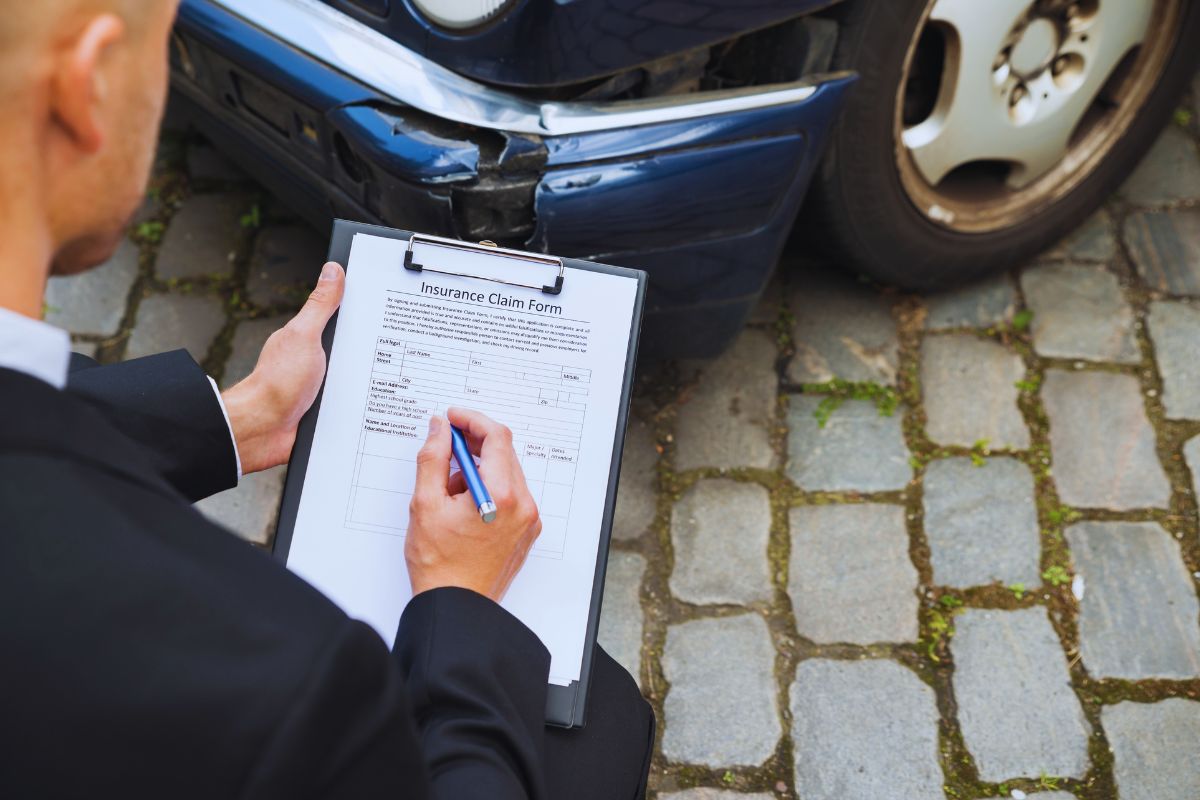
The adjuster stage usually begins with a claim intake call or online submission, followed by an inspection plan. Many insurers offer a choice between an in-person inspection and a photo-based review. Photo-based reviews can work well for visible damage, but they often require higher-quality images and consistent angles, and they can still lead to a later supplement after teardown.
During inspection, the adjuster documents damage, records vehicle details, and checks for prior or unrelated issues. They may also verify whether the vehicle is drivable and whether towing is needed. If the car is at a shop, the adjuster may coordinate with the shop to schedule a teardown, which is the point when hidden damage becomes visible. That coordination step is where delays often hide, because shop schedules and adjuster availability rarely align perfectly.
Some insurers use third-party inspection vendors or internal field teams. In one workflow I reviewed in 2024, the insurer’s portal showed “inspection complete” only after the adjuster uploaded a final damage report, which took an extra business day beyond the physical inspection. That kind of lag is normal, but it can confuse policyholders tracking status updates.
Estimate Step: Numbers And Scope
The estimate stage turns the adjuster’s documentation into a repair scope and cost. Estimating systems often break costs into parts, labor hours, and sometimes sublet items like towing or glass. The shop submits its estimate, the insurer reviews it, and then the insurer issues an approval or a revised scope.
Two practical details matter here. First, the estimate should match the documented damage. If the estimate includes items not supported by photos or inspection notes, the insurer may remove them or request clarification. Second, the estimate should reflect the correct parts type, such as OEM versus aftermarket, and the correct labor operations for the vehicle’s trim and model year.
When the shop performs a teardown, it may discover additional damage. That triggers a supplement request, which restarts part of the review. Supplements are common in collision claims involving structural components, airbags, cooling systems, or wiring harnesses. If you want fewer surprises, ask the shop how they handle supplements and whether they notify you before submitting them to the insurer.
Realistic timing varies, but many estimates are reviewed within a few business days once the insurer has the vehicle inspection report and the shop’s initial estimate. If parts availability is tight, the shop may still complete the estimate quickly but delay ordering parts until approval arrives.
Payment Step: When Money Moves
Payment usually happens after the insurer confirms coverage and finalizes the repair authorization and cost review. Some insurers pay the repair shop directly, while others issue payment to the policyholder with instructions. The payment method depends on the policy terms, state rules, and whether the claim involves a lienholder.
Deductibles often affect the timing and amount. If you owe a deductible, the insurer may subtract it from the payment to the shop or require you to pay it before the shop releases the vehicle. Rental reimbursement, if covered, typically follows a separate approval process with date and receipt requirements.
Insurers may hold payment until they receive certain documents, such as a signed repair authorization, proof of ownership, or a completed estimate approval. If the shop requests payment before final approval, the insurer may deny or delay it, which creates a frustrating loop. A mild frustration is common here: the shop wants to order parts, while the insurer wants paperwork that matches the approved scope.
In many workflows, the insurer issues an initial payment for the approved estimate and then processes a supplement payment after additional review. That means you can see partial payment before the car is fully repaired, especially when supplements arrive after teardown.
What To Do Before The Adjuster Arrives
Gather a small packet: policy number, vehicle VIN, current mileage, and clear photos from multiple angles. Take close-ups of each damaged area and include at least one photo that shows the damage in context, like the bumper relative to the wheel. If the car is at a shop, ask the shop to share the estimate draft and the date they plan to start teardown.
Use a consistent naming pattern for photos (for example, “FrontLeft_2026-10-06_1.jpg”). I’ve seen adjusters request re-submission when images arrive compressed or out of order, and that extra round trip can add days. If you use an app to upload photos, note the upload time and keep a copy of the confirmation screen.
How To Review An Estimate Without Guessing
Compare the estimate line items to the damage you can see. Look for parts type (OEM or aftermarket), labor operations, and whether the estimate includes items like clips, fasteners, or seals that shops often replace during disassembly. Ask the shop to explain any major differences between the insurer’s scope and the shop’s initial scope.
Request a written supplement policy from the shop: when they submit supplements, what triggers them, and how they communicate with you. Many shops use a teardown checklist, and the insurer may require that the supplement be tied to the teardown findings. If you see an estimate that includes a repair you cannot match to the documented damage, ask for the justification before approval.
For a realistic outcome, a clean initial estimate with matching photos often leads to faster approval, while estimates that require multiple revisions can stretch the review by several business days per revision. The exact number depends on the insurer’s internal queue, which you can’t control, but you can reduce avoidable rework.
How To Track Payment Status
Ask the insurer which payment method applies: direct-to-shop, direct-to-policyholder, or payment to a lienholder. Confirm whether the insurer issues payment after estimate approval or after repair completion. If rental reimbursement is part of the claim, ask whether it follows the same timeline or a separate one.
Keep a timeline log with dates: claim filed, adjuster inspection, estimate submitted, estimate approved, supplement submitted, and payment issued. A simple spreadsheet works, and a version number like “v1 estimate” helps when the shop resubmits revisions. If the insurer’s portal shows “in review,” ask what document is missing and who has it.
When payment is delayed, the most common causes are pending supplement review, deductible or authorization issues, or missing receipts for rental. If you can identify the missing item quickly, the delay often shrinks to the time it takes the insurer to re-check the file.
Questions That Reduce Delays
Ask the adjuster or claims representative: “What is the next action required from me, the shop, or the insurer?” Then ask for the specific item, not a general status. Ask whether the insurer will require a teardown supplement and whether the shop should hold parts until approval.
Ask how the insurer handles depreciation or betterment if the policy includes those rules. Ask whether the insurer uses OEM parts and whether aftermarket parts are acceptable for your vehicle. If you have a lienholder, ask how they receive payment and whether the lienholder’s processing time affects when you can pick up the car.
These questions sound basic, but they prevent the “we’re waiting on the other side” loop that can last a week or more.
Case Examples
Example 1: Rear Bumper And Hidden Damage
A driver files a collision claim after a low-speed rear impact. The adjuster inspects the vehicle at the shop and approves an initial estimate for bumper cover replacement and trunk alignment. During teardown, the shop finds a damaged reinforcement bar and submits a supplement with photos of the exposed area.
The insurer reviews the supplement and issues a revised approval. Payment arrives in two parts: the first covers the approved initial scope, and the second covers the supplement after review. The driver reduces delays by confirming the shop’s supplement submission date and asking whether the insurer needs any additional photos beyond the teardown images.
Example 2: Windshield Replacement With Rental
A driver files a comprehensive claim for a cracked windshield and requests rental coverage while the glass is ordered. The adjuster approves the windshield replacement based on clear photos and a quick inspection, and the shop schedules installation. The insurer processes payment for the glass after approval and separately reviews rental receipts submitted with the rental dates.
In this scenario, the driver’s timeline stays predictable because the shop provides the installation date early and the driver submits rental documentation promptly. The insurer’s payment timing depends on whether the rental reimbursement requires receipts and whether the policy has a daily limit.
Checklist For Each Stage
| Stage | What You Should Confirm | Common Delay Cause | What To Do Next |
|---|---|---|---|
| Adjuster | Inspection method, required photos, and next action date | Missing VIN/mileage or unclear damage photos | Resubmit photos with consistent angles and keep upload confirmations |
| Estimate | Parts type, labor scope, and supplement triggers | Estimate includes items not supported by documentation | Ask the shop to map each major line item to visible damage |
| Payment | Payment method, deductible handling, and rental rules | Pending authorization, lienholder processing, or missing receipts | Confirm the exact missing document and who submits it |
Common Mistakes
Approving an estimate without reading the scope leads to avoidable revisions. People often focus on the total price and miss parts type, labor operations, or whether the estimate matches the documented damage. If you approve a scope that assumes a full replacement when only a lens or cover is damaged, the insurer may later revise the scope and delay payment.
Waiting for the insurer to request documents creates unnecessary gaps. Many insurers accept photos and documents proactively, and a quick submission can prevent a “pending information” status. If you upload photos, keep the original file names and timestamps so you can re-send the same set if the portal rejects them.
Assuming rental reimbursement follows the same timeline as repair approval causes frustration. Rental coverage often depends on separate rules, such as daily caps, receipt requirements, and whether the rental started after the insurer’s approval. Submitting receipts late can shift payment by weeks.
Another mistake is ignoring supplements. If the shop discovers hidden damage and submits a supplement, the insurer may pause payment until it reviews the new scope. You can reduce uncertainty by asking the shop to notify you when a supplement is submitted and whether it includes photos and teardown notes.
FAQ
How long does the adjuster inspection take?
Inspection time varies by vehicle condition and scheduling. The physical inspection may take under an hour, but the claim status often updates only after the adjuster uploads the damage report, which can add one or more business days.
Why does my estimate change after teardown?
Teardown can reveal hidden damage such as structural misalignment, wiring issues, or additional broken mounts. Insurers typically review supplements tied to teardown findings, so the scope changes when new evidence appears.
When do I get paid: before or after repairs?
Payment timing depends on policy terms and state practices. Many claims pay the shop after estimate approval, while some workflows release funds in stages, including supplement payments after additional review.
What documents slow down payment?
Common blockers include missing signed repair authorization, incomplete rental receipts, unclear VIN or mileage, and missing lienholder information. If the insurer requests a specific form, delays often track the time it takes to return that form.
Can I choose a repair shop and still get timely payment?
Often yes, but the insurer may require the shop to submit an estimate in a format it can review. Timelines improve when the shop provides clear photos, uses the correct parts type, and communicates supplement triggers early.
Author's Insight
Claims timelines follow a predictable logic: documentation supports scope, scope supports approval, and approval supports payment. Delays usually come from mismatches between the documented damage and the estimate scope, or from missing paperwork that blocks review. A practical approach is to treat the claim like a small project with dates, a document checklist, and a single source of truth for what the insurer has received.
Insurers and shops often use different estimating conventions, so line-item review matters more than the final number. When you ask for the next required action and the specific missing item, the process becomes measurable instead of vague. If you track the claim in a simple log, you can spot whether the delay sits with inspection, estimate review, supplement review, or payment processing.
Key Takeaways
- Adjuster work documents damage; estimate work turns that documentation into a repair scope; payment work depends on approval and paperwork.
- Most timeline problems trace to missing or unclear photos, estimate scope mismatches, supplement reviews, or rental/authorization documentation.
- Ask for the next required action in concrete terms and keep a dated log of inspections, estimates, supplements, and payments.
- Review major estimate assumptions like parts type and labor scope, then confirm how the shop handles supplements before approval.