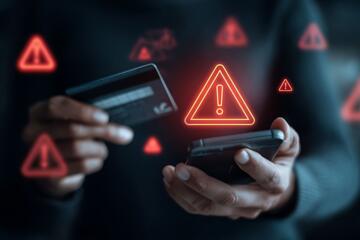
Learning Data Breaches
A data breach exposes private information held by companies, governments, or services. This can range from stolen passwords to sensitive financial records. In 2023 alone, over 4 billion records leaked globally, impacting millions. Targets like social media platforms or healthcare providers attract attackers because of the rich data they store.
For instance, a breach at a major credit bureau exposed data of almost 160 million consumers in 2017. Another example: an e-commerce site losing customer emails and payment info. The type of stolen data shapes the fallout and recovery steps.
Not all breaches are discovered right away. Sometimes, data gets sold on underground forums months after it happened. You might only find out when alerted by a monitoring service or a company notification.
Problems After Breaches
People often delay action because they don’t grasp the scope of exposure. Ignoring an alert or email claiming your data was compromised happens regularly. Many believe a single password reset will fix everything, but attackers use harvested data in various ways, like credential stuffing or social engineering.
One major misconception is thinking that encrypted or hashed passwords mean safety. Many decryption techniques have cracked weak hashes within hours. On top of that, leaked email addresses can fuel phishing attacks targeting you or your contacts.
Breaches sometimes lead to identity theft: fake credit lines opened in your name or unauthorized transactions. For businesses, leaked customer data can cause legal penalties and brand damage. Some suffer downtime from ransomware that follows breaches.
Timely, informed steps prevent loss and limit chain reactions.
Practical Steps to Take
Confirm the breach details
Start by verifying the breach source and the data involved. Check sites like Have I Been Pwned for your email or username. Official company announcements or regulators’ reports can clarify what info leaked. Knowing specifics avoids wasting time on irrelevant changes.
Change your passwords strategically
Update passwords on the affected account and any others sharing the same credentials. The average person has 130 accounts, and many reuse passwords—a security nightmare. Use password managers like Bitwarden (I’m on v1.24.7) to generate and store strong, unique passwords without hassle.
Enable multi-factor authentication
Activate MFA where available. This extra security layer requires a second step beyond the password, such as a code from an app like Authy or a hardware token. MFA blocks many takeover attempts, even if attackers hold your password.
Monitor financial accounts closely
Check bank and credit card statements daily. Set custom fraud alerts with your financial institutions. Some banks offer real-time transaction alerts via SMS or email, which provide immediate notification about suspicious spending.
Freeze credit reports if applicable
Put a credit freeze at major bureaus: TransUnion, Equifax, and Experian. This blocks new credit inquiries, a common way thieves open accounts in your name. It’s free and reversible but requires separate requests at each bureau.
Use identity protection services selectively
Companies like LifeLock or Identity Guard offer monitoring, alerts, and help with recovery post-breach. These services won’t prevent breaches but can reduce response time and provide expert support. I’ve seen cases where early alerts stopped theft early.
Beware suspicious communication
Following a breach, phishing attempts increase sharply. Do not click on unsolicited links or download attachments even if they appear to come from contacts. Verify with a separate channel if needed. Email spoofing tools can make messages look very convincing.
Keep software up to date
Security patches close vulnerabilities exploited by hackers. Update operating systems, browsers, and apps promptly. As a side note, some updates break features, but don’t skip them—attackers love outdated software like a buffet.
Backup data regularly
Create multiple backups offline or on separate networks. Malware often arrives after breaches, targeting stored data. Reliable backup ensures recovery without paying ransoms or losing everything.
Breach Recovery Examples
A major clothing retailer experienced a breach in 2021 exposing 200,000 orders. They immediately alerted customers and forced password resets, reducing account takeovers by 70%. Next, they partnered with a monitoring firm adding continuous threat detection. Six months later, complaints dropped, and trust metrics improved.
A regional healthcare provider had a ransomware attack after a breach exposed staff credentials. They isolated affected networks within 48 hours and restored data from backups, avoiding ransom payment. Public transparency about timing and actions earned praise from patients, dampening reputation damage.
Step-by-Step Breach Checklist
| Action | Description | Tools | Outcome |
|---|---|---|---|
| Verify breach | Confirm source, affected data | Have I Been Pwned, official sites | Target action accurately |
| Reset passwords | Change on affected and reused accounts | Bitwarden, LastPass | Blocks credential misuse |
| Activate MFA | Add second auth factor where possible | Authy, Google Authenticator | Stops unauthorized logins |
| Monitor accounts | Watch transactions, set alerts | Bank apps, credit alerts | Detect fraud early |
| Freeze credit | Block new credit checks | Equifax, Experian, TransUnion | Stops new account abuse |
What Not to Do Next
Ignore the news. Delay password changes. Reuse simple passwords. Share breach details widely in social media threads — disrespecting privacy and sometimes worsening risks.
Failing to watch your financial accounts is another common error. If you skip credit freezes thinking they're overkill, thieves might open accounts while you hesitate. Some rely too heavily on notifications from breached companies, which, frankly, most skip or deliver late.
Also, general backup neglect makes ransomware recovery impossible. Avoid downloading suspicious files. The inbox stops winning when you open every email you get after a breach alert.
FAQ
How soon should I change passwords?
Immediately after confirming a breach involving your account. Do not wait; attackers act fast.
Can I reuse an old password if changed frequently?
No. Reusing old or similar passwords still exposes you to account compromise.
Are identity protection services worth it?
They help detect misuse faster but cannot stop breaches themselves. Useful if you want extra support.
Is a credit freeze reversible?
Yes. You can place or lift freezes any time, usually via online portals or calls.
What to do if I spot fraudulent charges?
Report immediately to your bank and credit agencies. Also notify the breached company.
Author's Insight
Handling a breach firsthand taught me the value of swift, organized action. I’ve seen how careful monitoring helped clients stop fraud within days. Password managers changed my routines vastly, cutting time spent on resets and risks. Still, the landscape changes fast, requiring constant vigilance and practical skepticism.
What to Remember
Start by verifying breach facts, then reset passwords on all affected accounts and enable MFA. Monitor financial activity daily and freeze credit reports if sensitive data leaked. Avoid phishing traps and keep all software up to date. Act quickly, manage risks, and use available tools to reduce impact and regain control.