Popular Articles
 Scams
22.07.2026
Scams
22.07.2026
Common Bank Impersonation Scams and How They Work
Bank impersonation scams work because they look and sound convincing—fraudsters copy real phone numbers, emails, and branding to make you drop your guard. This article explains the most common tricks scammers use to create urgency, gain your trust, and push you into sharing codes, passwords, or moving money. You’ll see the typical formats these scams take (calls, texts, emails, fake “fraud alerts”), the mistakes people often make in the moment, and the simple defenses that stop the con. With real examples and a clear breakdown of how attackers operate, you’ll know what to watch for and how to respond safely.
 Scams
16.07.2026
Scams
16.07.2026
How to Recover a Hacked Email Account
When your email account gets hacked, it’s more than an inconvenience—messages can be intercepted, private information exposed, and your contacts targeted next. This guide is for anyone dealing with a compromised inbox and explains what to do immediately to take back control. You’ll learn how to secure the account, reset passwords the right way, check recovery settings, remove suspicious access, and lock things down with stronger protections like two-factor authentication. With real examples and clear, practical tactics, it helps you recover quickly and reduce the chances of it happening again.
 Scams
10.07.2026
Scams
10.07.2026
What to Do If Your Data Was in a Breach
If your personal information - or your company’s data - was exposed in a breach, it can feel overwhelming to know what to do first. This article explains what typically happens after data leaks, why certain mistakes (like delaying password changes or ignoring alerts) make things worse, and how to quickly limit the fallout. You’ll get a step-by-step plan for securing accounts, monitoring for misuse, and documenting what happened, along with practical tools, real examples, and straightforward guidance to help you regain control.
 Scams
04.07.2026
Scams
04.07.2026
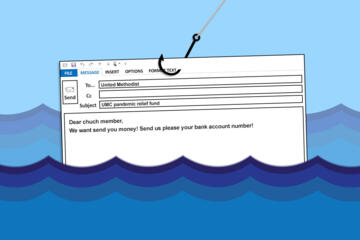
How to Tell If a Website Is a Scam Before You Pay
Before you enter your card details on a new site, it helps to know the warning signs that separate a legitimate shop from a convincing scam. This guide shows cautious buyers how to spot risky clues—like too-good-to-be-true prices, copied product photos, vague contact info, and pushy “limited time” tactics—before money changes hands. You’ll also learn simple ways to verify a site using trusted tools, avoid common missteps, and follow practical steps to confirm who you’re buying from. Real examples and an easy checklist help you shop online with more confidence and less risk.
 Scams
28.06.2026
Scams
28.06.2026
What to Do If You Fell for a Phishing Scam
Realizing you clicked a phishing link or shared sensitive details can be alarming, but you still have time to protect yourself. This article walks you through exactly what to do next—step by step—from securing your accounts and changing passwords to enabling two-factor authentication and watching for signs of identity theft. It explains the most important risks to address (bank access, email takeovers, malware, stolen logins) and recommends practical tools to help you respond quickly. The focus is on limiting damage, regaining control, and keeping your data safer going forward.
 Scams
22.06.2026
Scams
22.06.2026
How to Spot a Fake Delivery Text Scam
Fake delivery text messages are getting harder to spot, and they’re designed to trick you when you’re expecting a package. This article walks you through how these scams work, the small warning signs to look for (like odd links, urgent wording, or mismatched tracking details), and what to do if you clicked or replied. With real-world examples and supporting data, you’ll get practical steps and tools to protect your money and personal information from these increasingly common threats.